인기 검색 계정





























Engineering Facts 🇺🇸(@engineering.facts_) 인스타그램 상세 프로필 분석: 팔로워 254,309, 참여율 0.03%

@engineering.facts_
Engineering Facts 🇺🇸
Mind-blowing engineering facts daily. Follow us to get smarter with every scroll.
http://engineerine.com/@engineering.facts_님과 연관된 프로필
연관 프로필이 없습니다
이 계정에 대한 연관 프로필 정보를 찾을 수 없습니다
@engineering.facts_ 계정 통계 차트
게시물 타입 분포
시간대별 활동 분석 (최근 게시물 기준)
@engineering.facts_ 최근 게시물 상세 분석
이미지 게시물 분석
@engineering.facts_ 최근 게시물
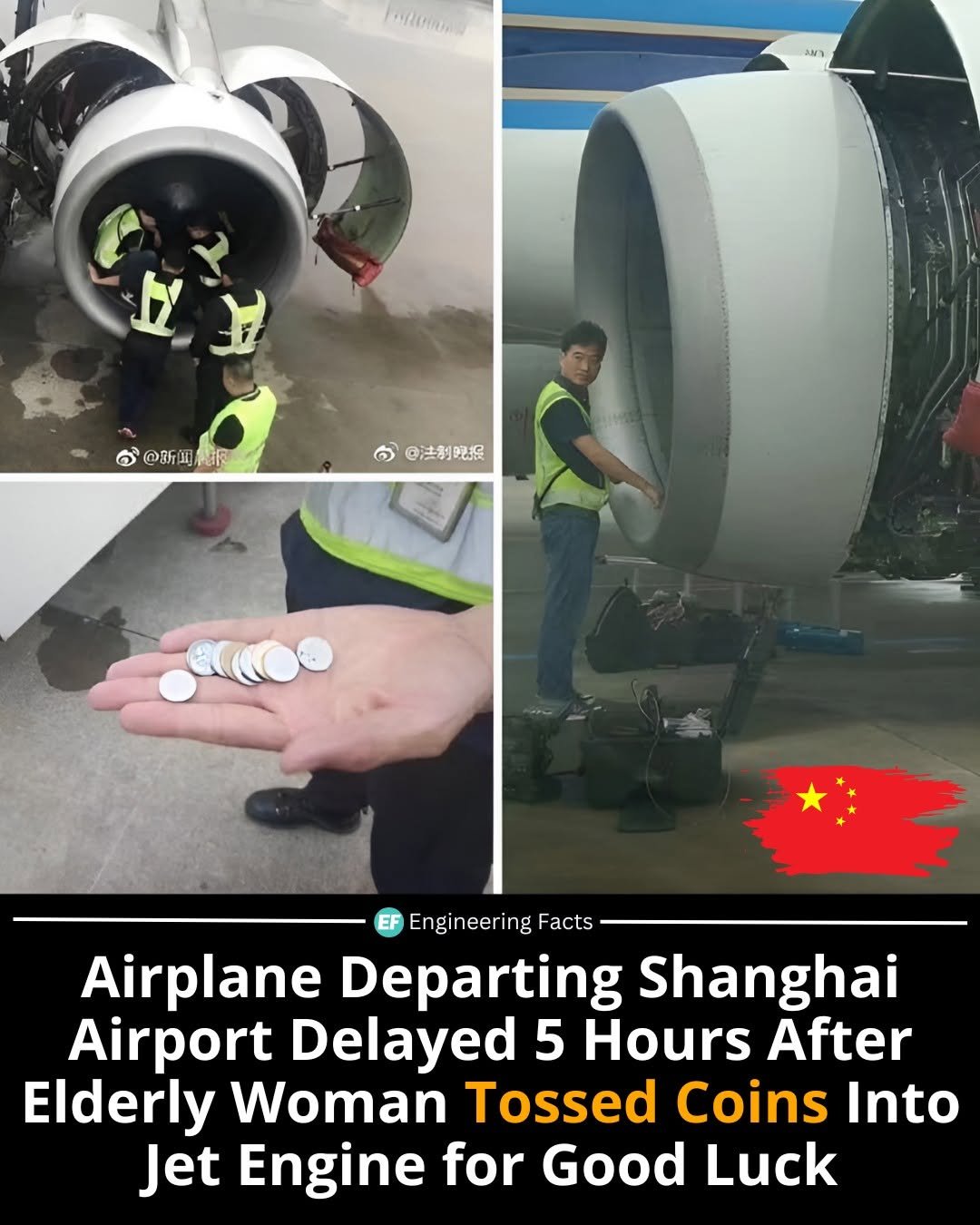
In a bizarre incident at Shanghai Pudong International Airport, a flight was delayed for five hours after an elderly passenger threw coins into a jet engine, believing it would bring good luck for the journey. The superstitious act triggered a full safety inspection, as even a single coin inside a jet turbine can cause catastrophic engine failure. Ground crew were forced to disassemble parts of the engine to retrieve the coins, resulting in a major delay for all passengers. While the woman claimed she was following a traditional belief, her action posed a serious safety risk and violated international aviation regulations. The airline did not press charges but emphasized the need for passenger awareness about safety protocols. Incidents like this highlight the critical importance of pre-flight inspections and public education on what may seem like harmless cultural customs but can have dangerous consequences in modern air travel. #AviationSafety #AirportDelay #JetEngineHazard #TravelFacts #ShanghaiAirport
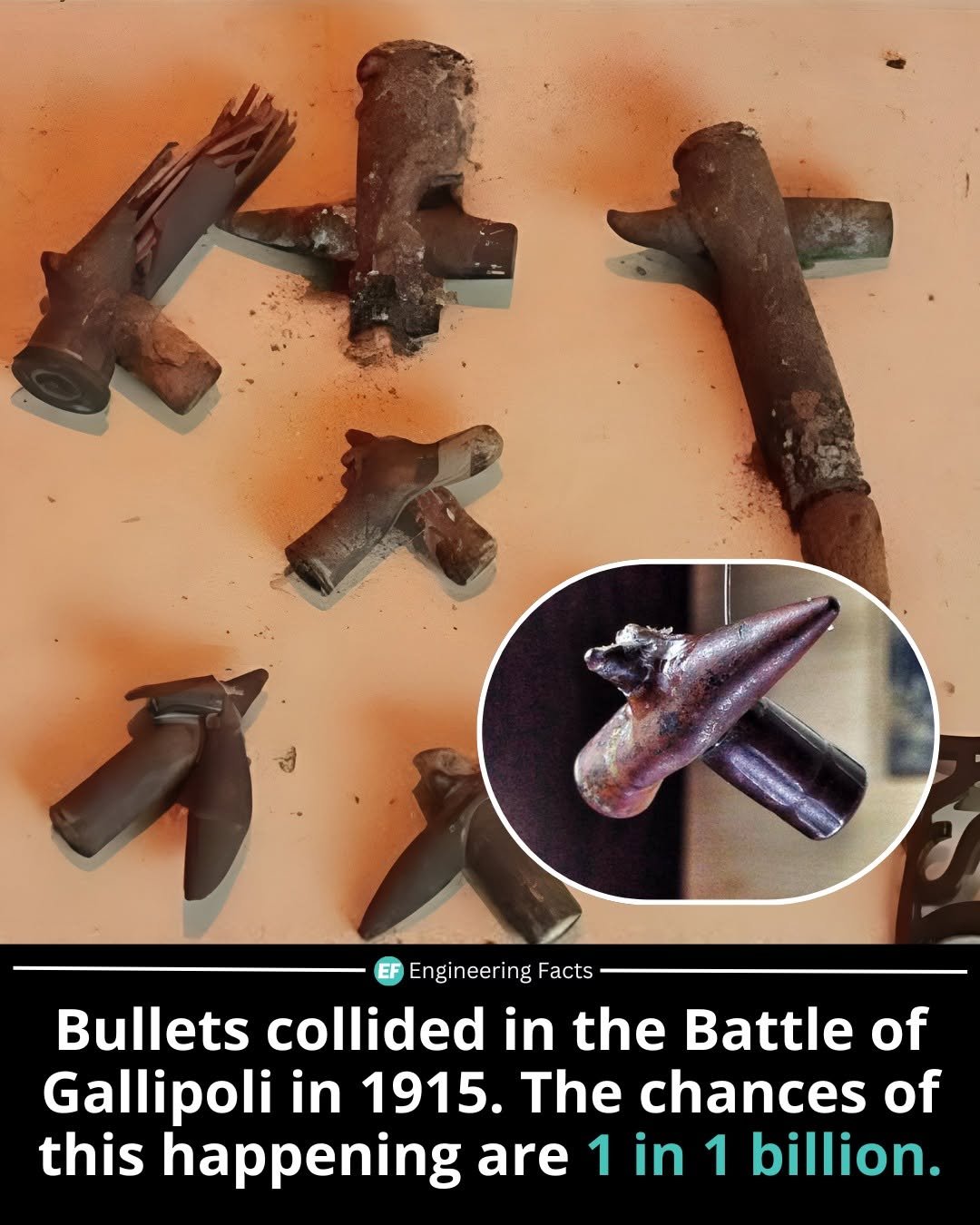
During the bloody Battle of Gallipoli in 1915, stories emerged of two bullets colliding mid-air, fusing together in what was described as a one-in-a-billion chance event. These fused bullets have since become symbolic artifacts, representing the chaos and sheer volume of firepower unleashed during the battle. For many, they serve as a reminder of the razor-thin margins between life and death in the trenches of World War I. However, historians and ballistics experts argue that the famous "mid-air collision" is likely a myth. The deformation on the bullets suggests that one was probably stationary—lodged in a soldier’s pouch, gear, or even a rifle—before being struck by another round. This explanation is far more plausible than a true mid-air impact. Still, the fused bullets remain a fascinating relic, blurring the line between legend and reality on one of WWI’s most brutal battlefields. #WWI #HistoryFacts #BattleOfGallipoli #MilitaryHistory #RareEvents
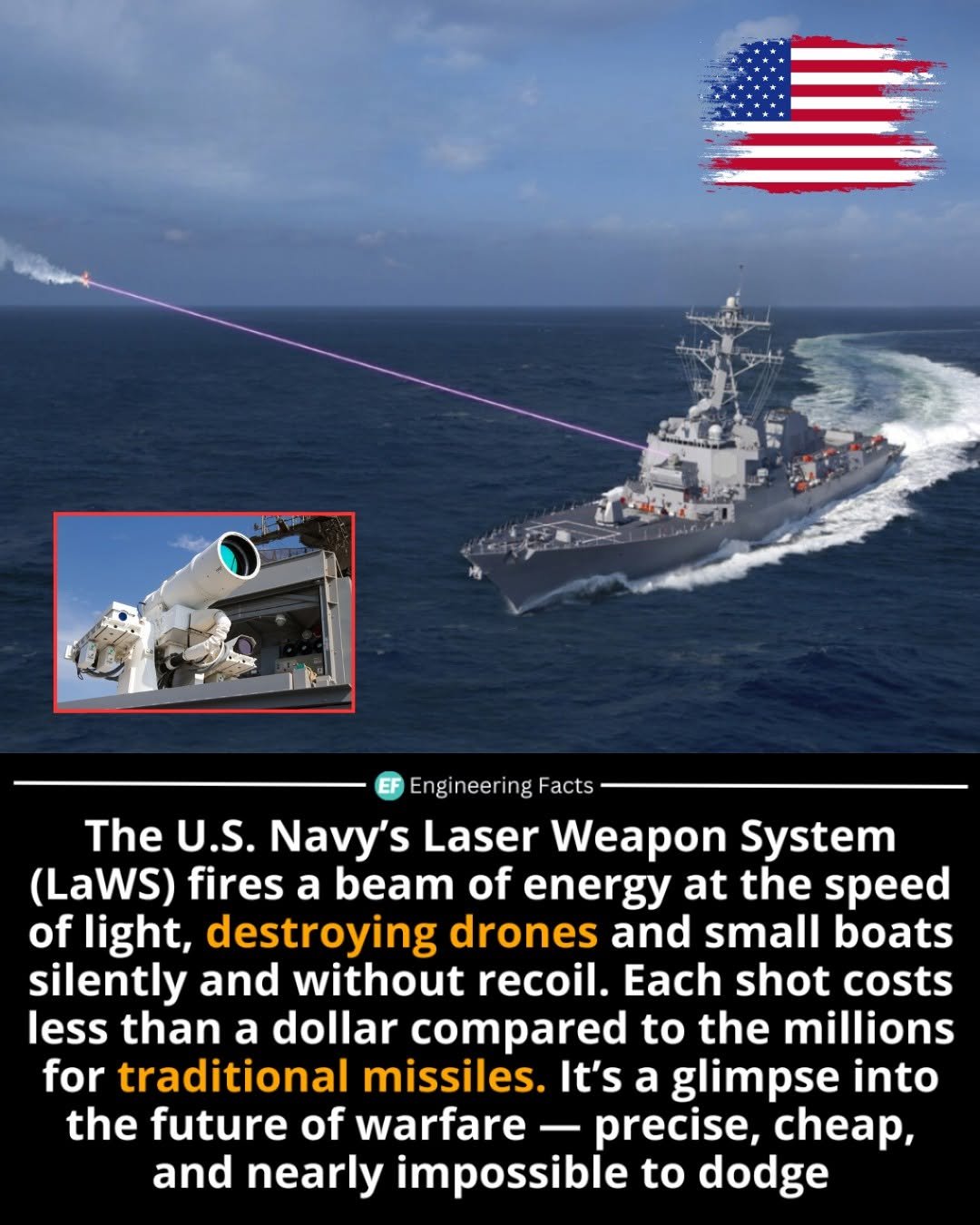
First tested aboard the USS Ponce in the Persian Gulf, the Laser Weapon System represents a leap in naval defense technology. Instead of relying on explosive projectiles, LaWS uses concentrated energy to disable targets with pinpoint accuracy, making it nearly immune to traditional countermeasures. Unlike missiles, it doesn’t need storage or reloads — as long as the ship has power, the weapon is ready to fire. Beyond military use, the development of directed-energy weapons reflects decades of research in optics, tracking systems, and high-capacity power generation. As advancements continue, future naval fleets may rely more on lasers than missiles, reshaping the balance of maritime power. #USNavy #LaserWeapons #FutureOfWarfare #MilitaryTech #EngineeringFacts
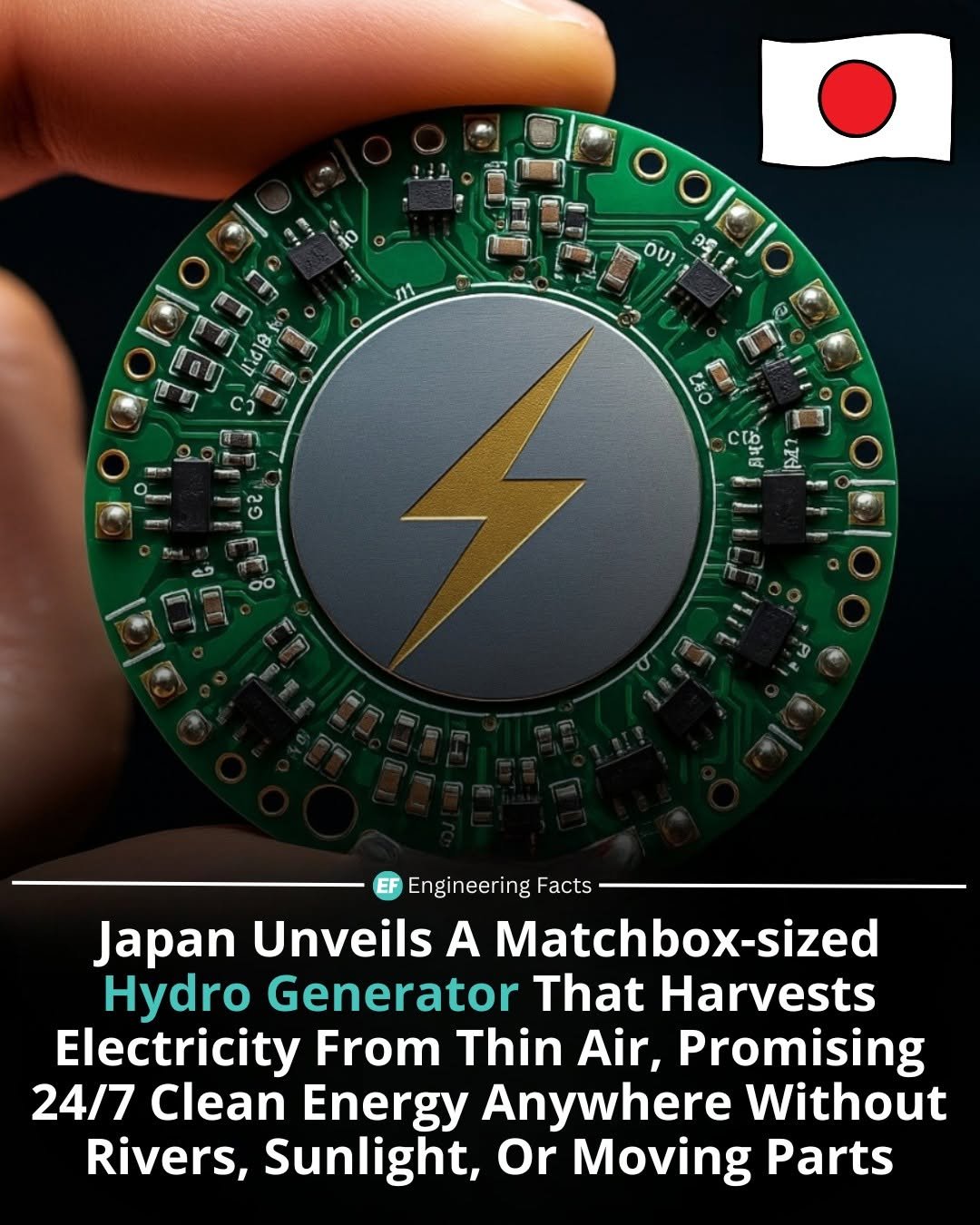
Japan has unveiled a revolutionary matchbox-sized hydro generator capable of producing electricity from thin air. By harnessing natural humidity and airflow, this tiny device generates a continuous stream of clean energy—without the need for rivers, sunlight, or moving components. Unlike solar or wind power, it delivers 24/7 output, making it ideal for powering small electronics, medical sensors, and even off-grid devices in remote regions. Its portability also makes it a game-changer for disaster relief, ensuring reliable electricity where it’s needed most. Scientists believe that with large-scale deployment, this breakthrough could complement renewable energy systems worldwide, transforming the way we think about energy independence. #CleanEnergy #JapanInnovation #GreenTech #FutureOfPower #RenewableEnergy
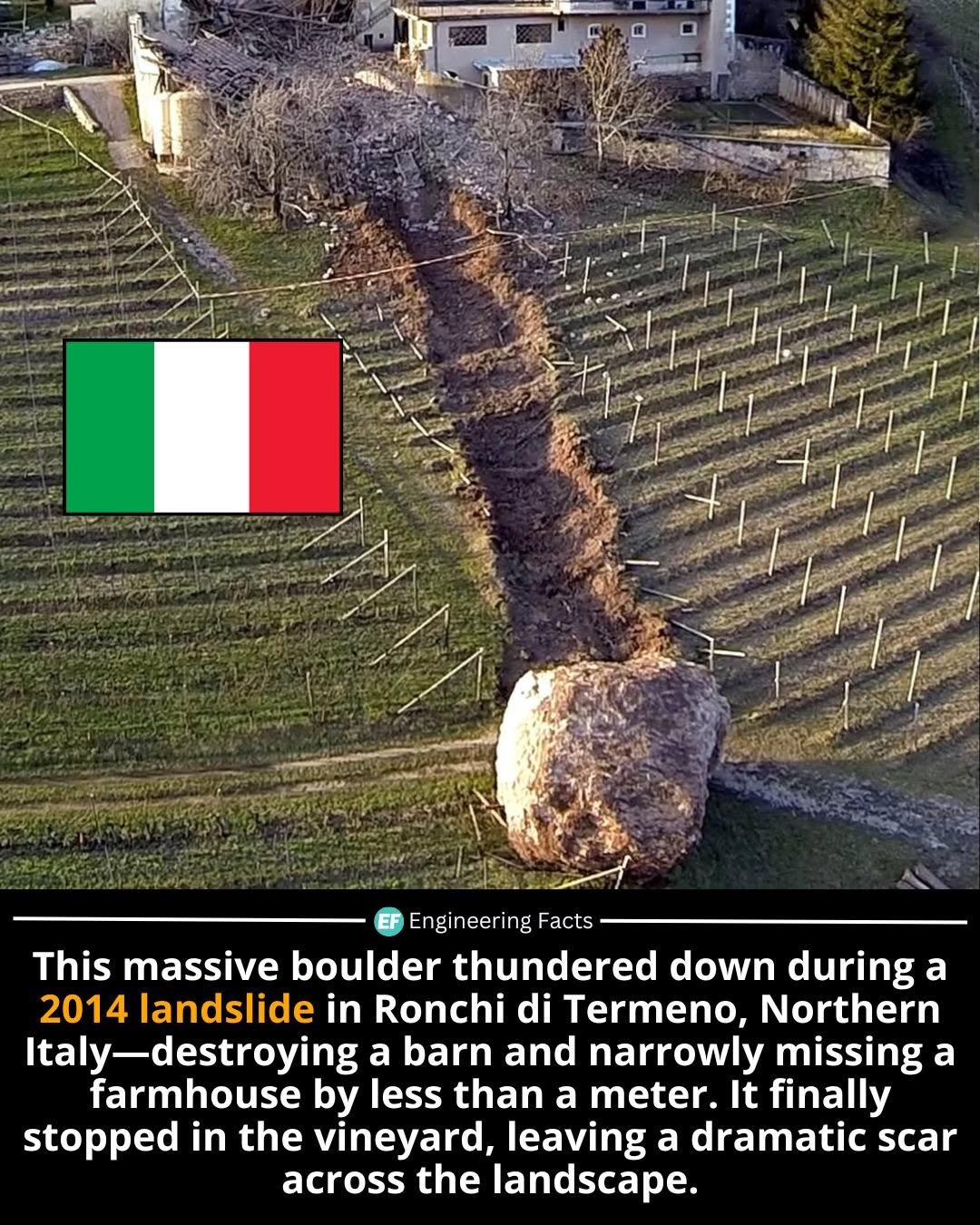
The boulder seen here is estimated to weigh over 300 tons—roughly the weight of a fully-loaded Boeing 747 engine. It broke off from a cliff face hundreds of meters uphill, triggered by intense rainfall and soil instability in Italy’s South Tyrol region. Such boulder falls are rare but can reach speeds of up to 60–70 km/h depending on slope gradient and terrain. Geologists later analyzed the site and installed rockfall barriers to prevent future incidents. What's chilling is that another boulder from the same event also rolled downhill and stopped just short of the main house—meaning the damage could have easily doubled. The event sparked renewed discussions on land use and building codes in landslide-prone alpine areas. #EngineeringFacts #NaturalDisasters #GeologyInAction #ItalyLandslide #BoulderFall

In Brazil, a groundbreaking medical milestone has emerged after 25 years of research. Scientist Tatiana Coelho de Sampaio and her team at the Federal University of Rio de Janeiro have developed polylaminin, the first drug in the world derived from placental laminin protein that claims to regenerate spinal cord injuries. The treatment, created in partnership with Cristália laboratory, is injected directly into the spine. Early trials on patients with paraplegia and quadriplegia due to spinal cord ruptures showed extraordinary results — with reports of full recovery and regained movement without lasting side effects. If confirmed, this breakthrough could transform millions of lives worldwide, giving new hope to spinal injury patients who have long been told recovery is impossible. While peer-reviewed studies and regulatory approvals are still awaited, the discovery is already being hailed as one of the most promising advances in modern medicine. #Brazil #MedicalBreakthrough #SpinalCord #Regeneration #Polylaminin
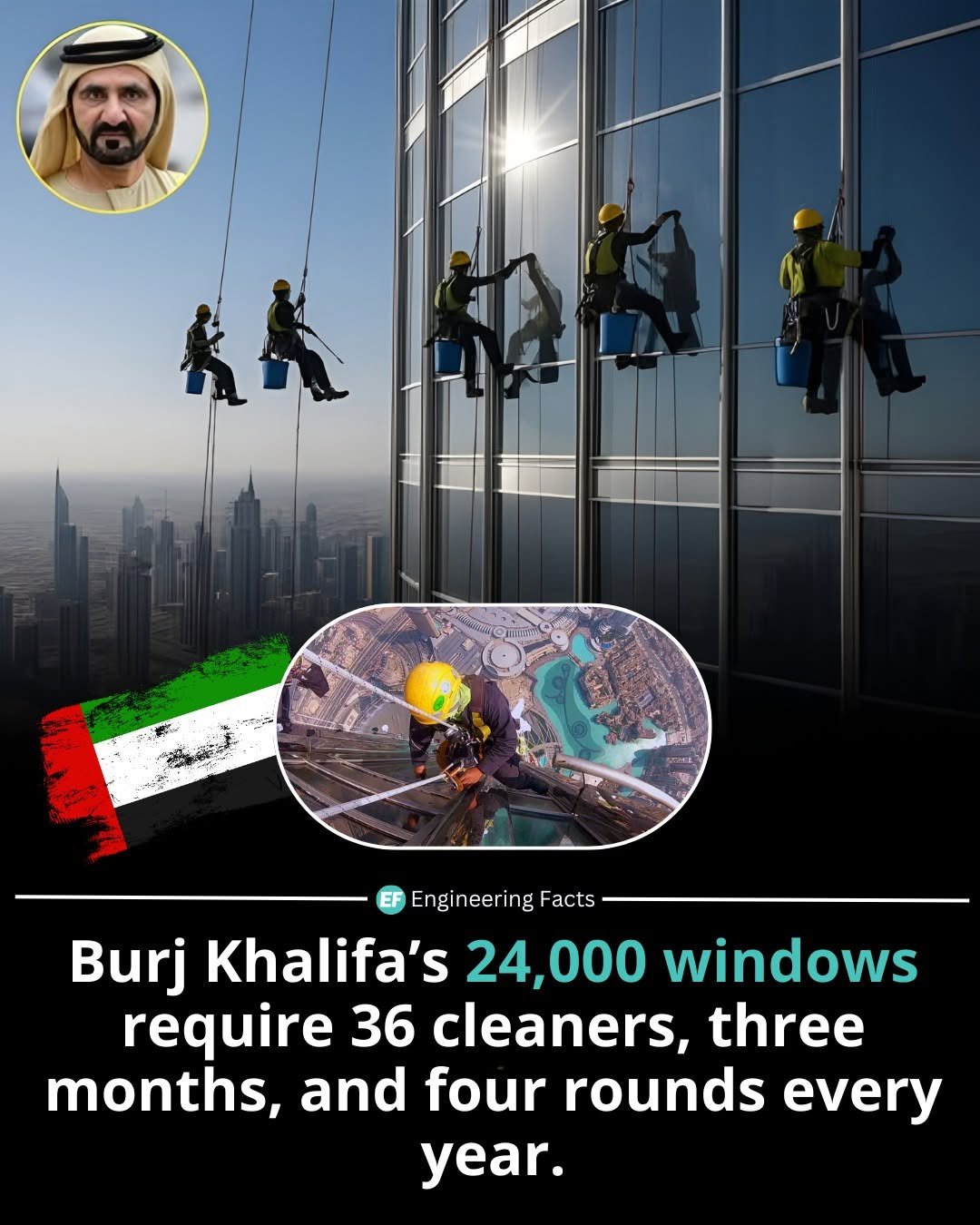
Maintaining the pristine shine of the Burj Khalifa, the world’s tallest building, is no small feat. A specialized team of 36 professional window cleaners spends three months completing a single full clean of its 24,000 glass panels — and by the time they finish, it’s already time to start again. In total, they perform four complete rounds every year, ensuring that the 828-meter tower remains spotless against Dubai’s desert dust and humidity. Each cleaner is suspended hundreds of meters above the city, relying on ropes, harnesses, and meticulous coordination to cover the vast glass surface. They face intense sun, gusting winds, and extreme heat, often working early mornings or late evenings for safety and comfort. The job demands exceptional skill, endurance, and teamwork — as every pane contributes to the building’s iconic reflection of the Dubai skyline. The Burj Khalifa’s window-cleaning operation is more than maintenance; it’s a year-round engineering and human endurance challenge. Behind the world’s most famous skyscraper shine the efforts of workers who ensure its brilliance never fades — a true marathon in the sky. #BurjKhalifa #Dubai #EngineeringMarvel #WindowCleaning #SkyscraperLife
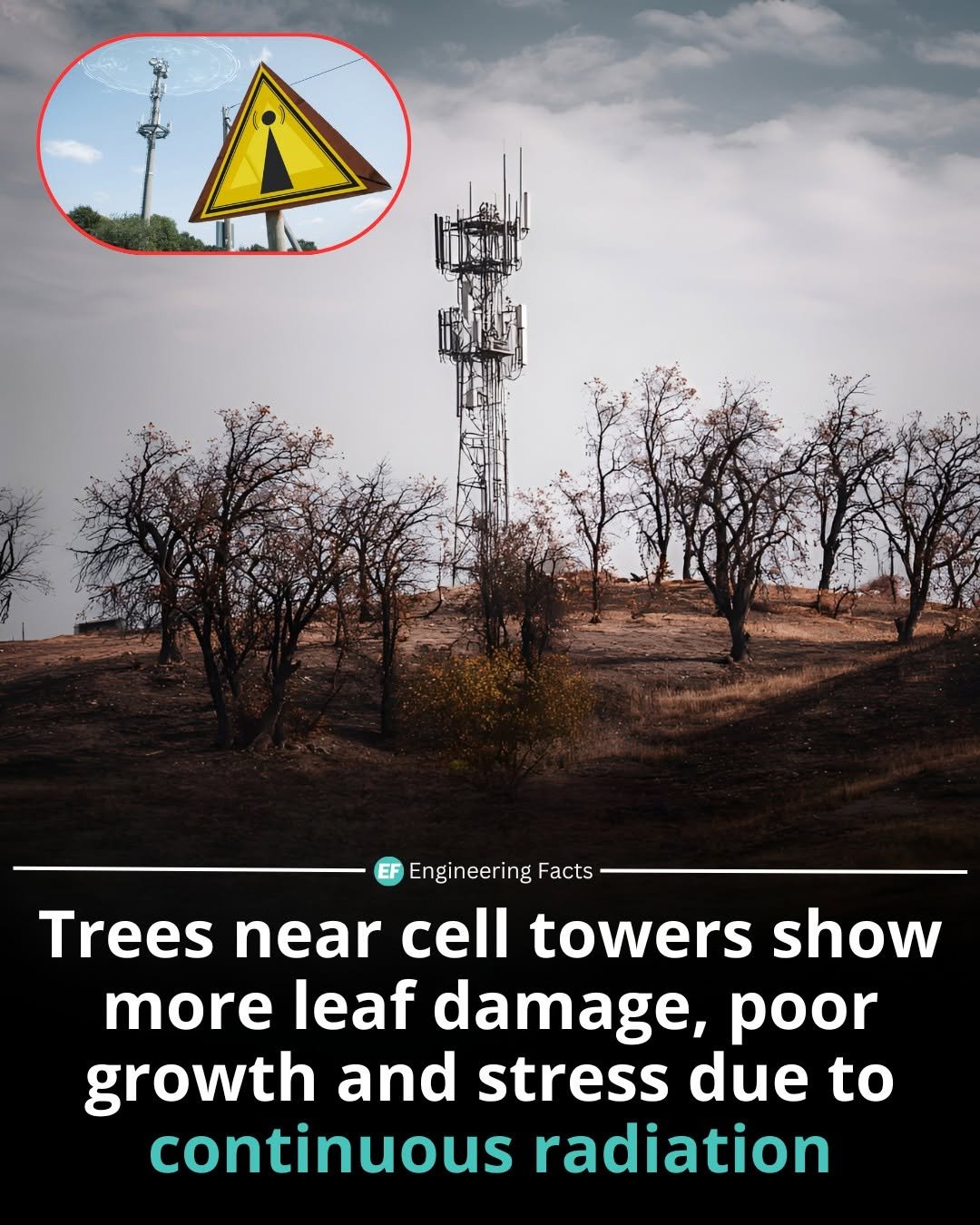
Studies are raising alarms that prolonged exposure to radiation from cell towers may be harming nearby trees. A nine-year German study found that trees closest to towers displayed greater damage — especially on the side facing the radiation source — compared to those farther away. Other research has linked radiofrequency radiation to reduced growth, leaf discoloration, and oxidative stress in plants. While the radiation is non-ionizing and the scientific debate continues, the fact that trees cannot move away from these sources makes them uniquely vulnerable. As wireless networks expand globally, experts warn we may need to investigate not just human health, but also the ecological effects on forests, urban greenery, and biodiversity. #CellTowers #Environment #Radiation #Trees #ClimateImpact
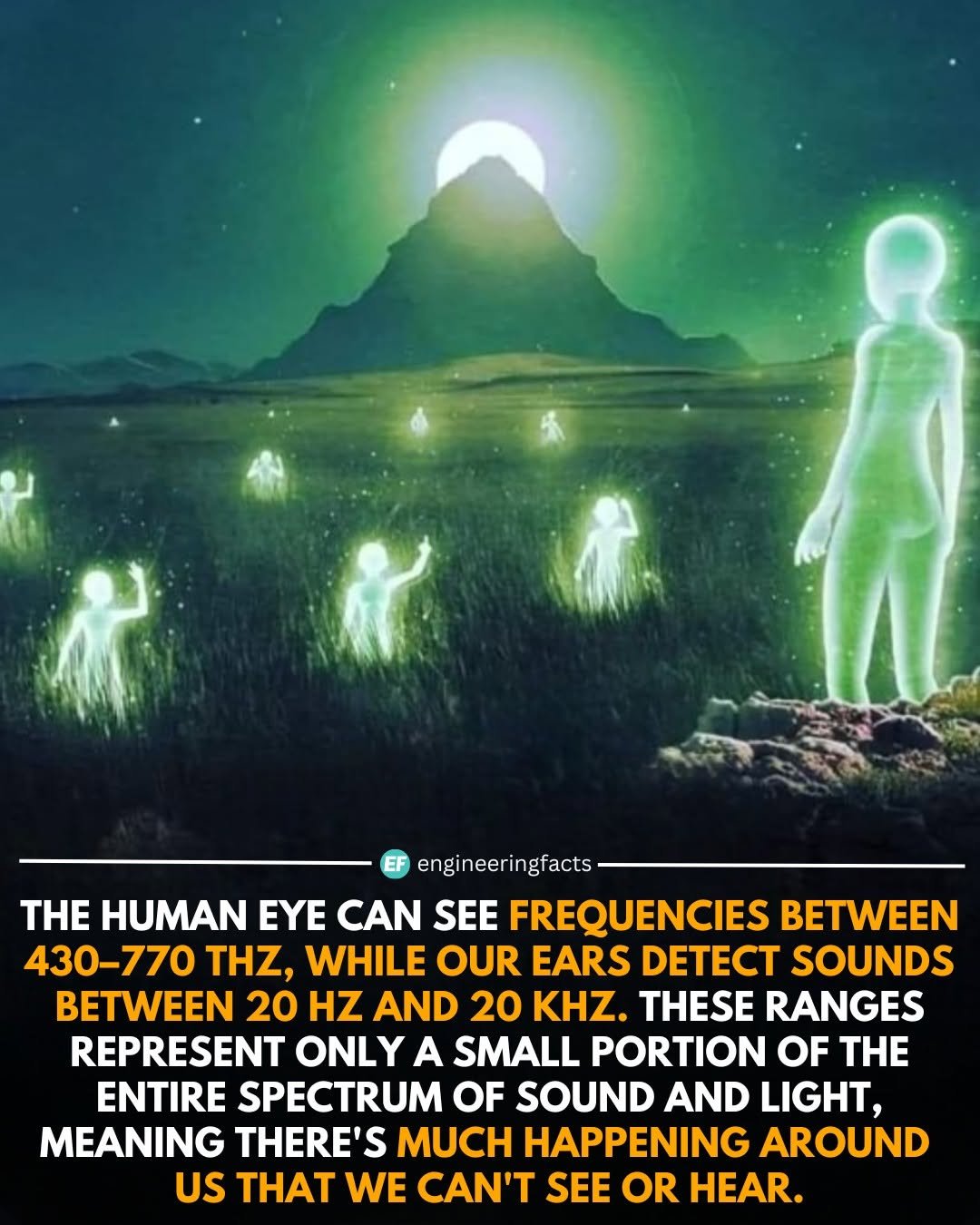
Human perception covers just a narrow slice of reality. Our eyes are tuned to a limited band of electromagnetic radiation known as visible light, and our ears can only register a tiny segment of the vast sound frequency spectrum. Outside these ranges lie countless forms of energy—like ultraviolet and infrared light, infrasound and ultrasound—that other animals and instruments can detect but remain invisible and inaudible to us. For instance, bees can see ultraviolet light patterns on flowers that guide them to nectar, while snakes detect infrared radiation from warm-blooded prey even in total darkness. Whales and elephants communicate through infrasound that travels for miles, while bats and dolphins navigate through ultrasonic frequencies far beyond human hearing. These examples reveal just how limited—and specialized—our senses really are. Modern science now uses technology to expand our sensory boundaries. Infrared cameras, X-rays, radio telescopes, and sound sensors allow us to “see” and “hear” the unseen layers of the universe. It’s a humbling reminder that our natural senses show only a fraction of the incredible activity constantly surrounding us. #HumanPerception #ScienceExplained #InvisibleWorld #PhysicsFacts #BeyondTheSpectrum
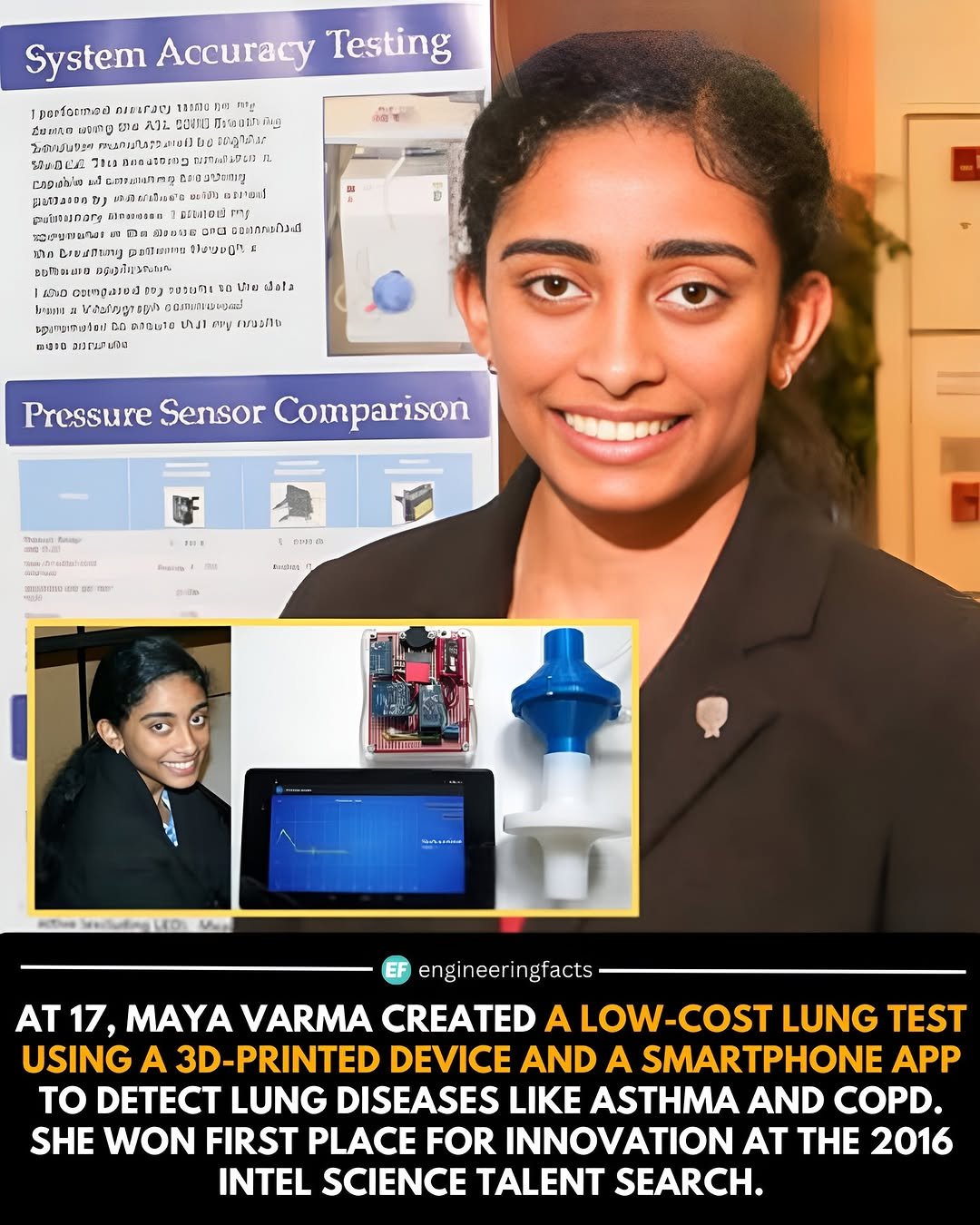
At just 17, Maya Varma engineered a brilliant solution to a global healthcare challenge. Using affordable components, she developed a low-cost, 3D-printed spirometer that connects to a smartphone app—capable of diagnosing lung diseases such as asthma and COPD with over 90% accuracy. Her innovation has the potential to bring life-saving diagnostic tools to underserved and remote communities. Maya’s project earned her first place in innovation at the prestigious 2016 Intel Science Talent Search, marking her as a rising star in biomedical engineering. #MayaVarma #MedicalInnovation #YoungScientists
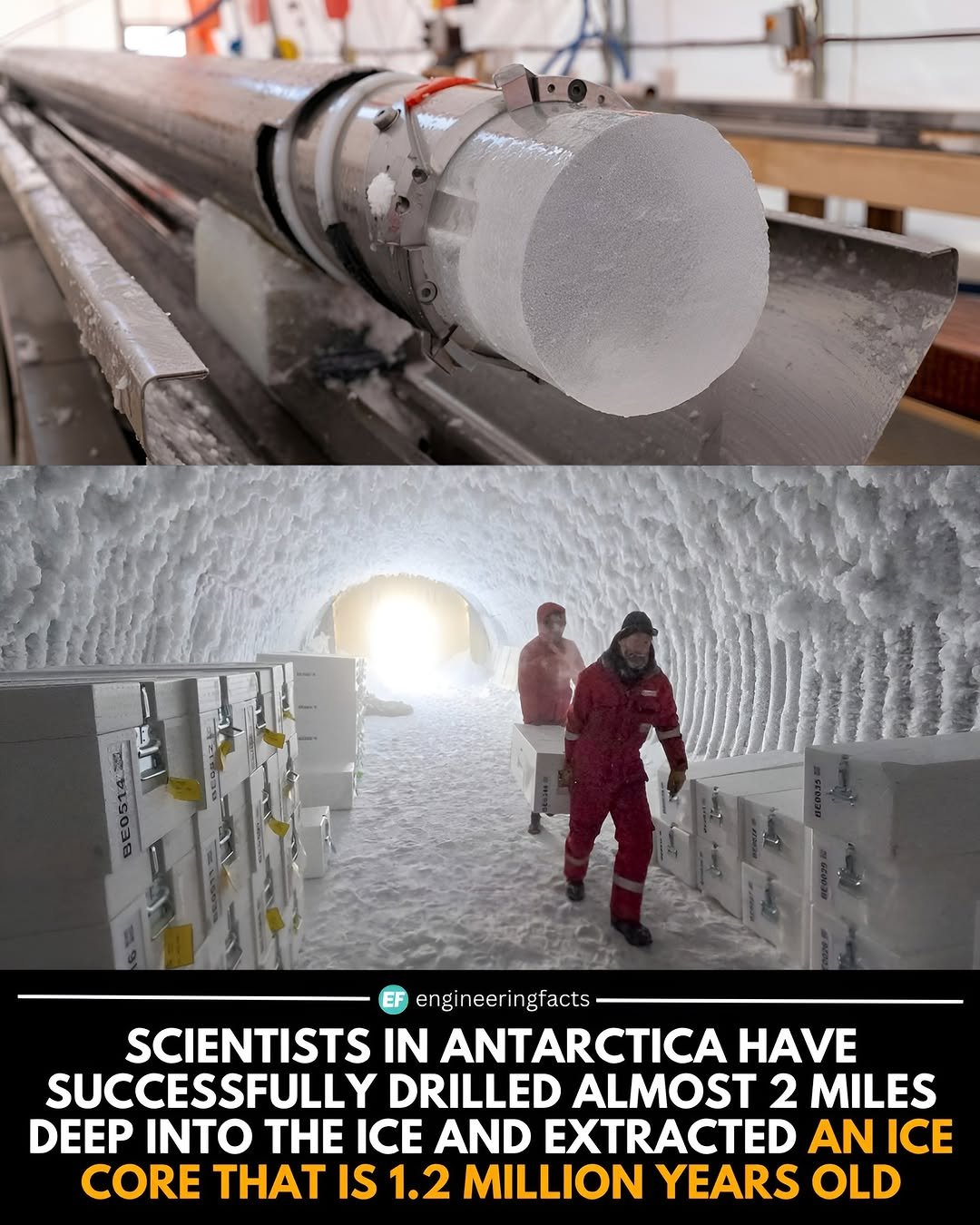
In one of the most ambitious scientific efforts to understand Earth’s ancient climate, researchers in Antarctica have drilled nearly two miles into the ice to recover a core dating back 1.2 million years. This remarkable feat opens a frozen window into Earth's distant past, offering scientists invaluable clues about how our planet’s atmosphere and temperature evolved over time. The extracted ice layers serve as natural time capsules, trapping tiny bubbles of ancient air that can reveal how greenhouse gases like carbon dioxide have changed across millennia. These insights are critical for refining climate models and helping humanity prepare for future environmental shifts. It's a reminder that Earth's history is written not just in rocks and fossils—but also in ice. #Antarctica #ClimateScience #IceCoreResearch
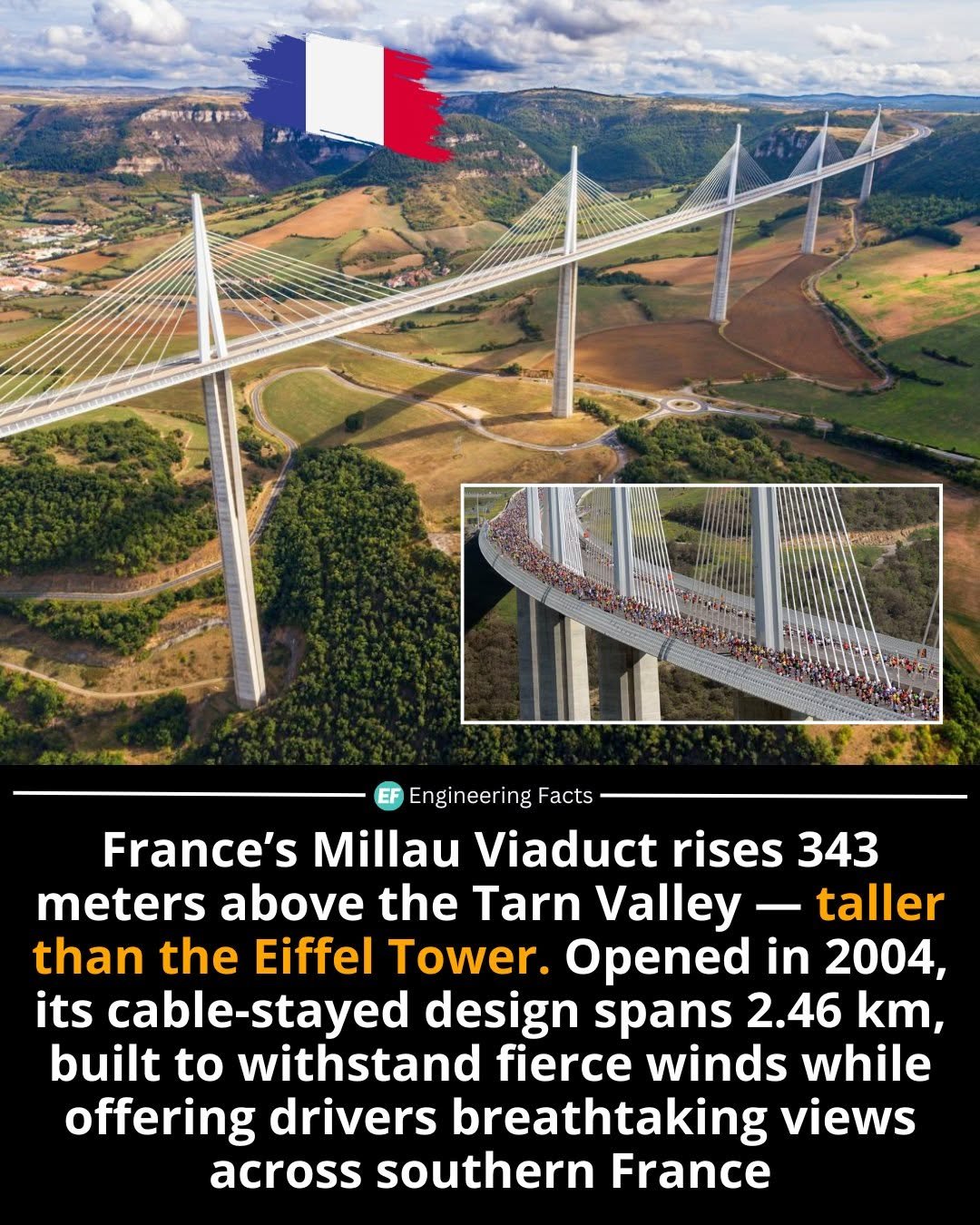
When construction began in 2001, many believed the Millau Viaduct would be impossible to complete due to the valley’s strong winds, complex geology, and sheer height. Yet engineers overcame these challenges with groundbreaking techniques, including sliding deck sections across pylons hundreds of meters tall — a process that had never been attempted at such a scale. Beyond its record-breaking dimensions, the bridge is admired as a masterpiece of design. Its sleek lines allow it to almost disappear into the surrounding landscape, creating the illusion of a floating highway in the sky. Today, it attracts tourists from around the globe who come not only to drive across it but also to witness one of the boldest feats of modern civil engineering. #EngineeringFacts #MillauViaduct #France #BridgeEngineering #CivilEngineering