인기 검색 계정





























MTSBWY / Science, History, Entertainment & News(@maythesciencebewithyou) 인스타그램 상세 프로필 분석: 팔로워 1,638,539, 참여율 5.09%

@maythesciencebewithyou
인증됨 비즈니스MTSBWY / Science, History, Entertainment & News
🧠 May The Science Be With You 💡 Follow to Learn New Things Daily 📧 contact@8vancemedia.com
https://apps.apple.com/us/app/sonotalk-talk-to-books/id6754994126?ppid=26a724d7-4cb4-433c-aeac-ced39875c899@maythesciencebewithyou님과 연관된 프로필
연관 프로필이 없습니다
이 계정에 대한 연관 프로필 정보를 찾을 수 없습니다
@maythesciencebewithyou 계정 통계 차트
게시물 타입 분포
시간대별 활동 분석 (최근 게시물 기준)
@maythesciencebewithyou 최근 게시물 상세 분석
이미지 게시물 분석
여러 장 게시물 분석
@maythesciencebewithyou 최근 게시물
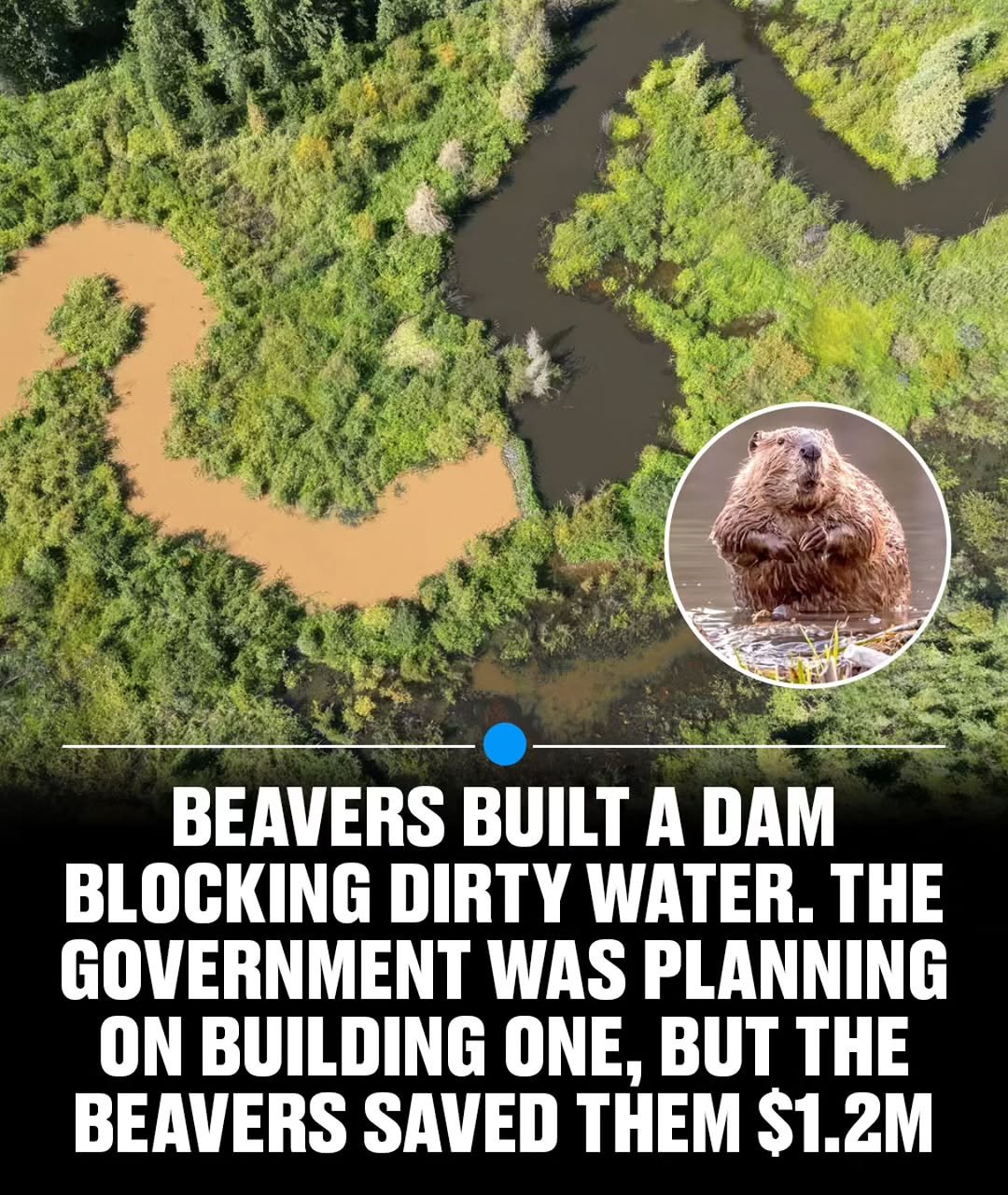
Beavers are often called “nature’s engineers,” and a case from the Brdy Protected Landscape in the Czech Republic shows why. In just a few days, a colony of beavers built a dam that restored a damaged wetland and saved endangered crayfish—something that government projects had failed to do for seven years. Their natural work saved the country nearly 30 million CZK (about $1.2 million), proving how powerful nature can be when left to do its job. A study on the project found that beavers create wetlands by blocking water flow, which helps store water, improve quality, and bring back lost habitats. These wetlands give new homes to fish, amphibians, and rare species like the noble crayfish, which need clean and steady water to survive. Why Beavers Matter in Ecosystems: Natural Builders. Their dams slow water flow, creating ponds and wetlands that boost biodiversity. Water Filters. Beaver ponds trap sediments and help clean the water naturally. Cost-Free Restoration. What humans spend years and millions trying to fix, beavers can do in days. The success in Brdy shows how wildlife can help restore the planet when human efforts stall. Nature often has the most efficient and sustainable solutions—it just needs the space to work. ℹ️ Source European Commission on Biodiversity (2024). Beavers and Wetland Restoration in Europe. Czech Environmental Ministry (2024). Brdy Protected Landscape Report. Journal of Ecological Restoration (2023). Ecosystem Engineering by Beavers. #Science #Ecology #Wildlife #Conservation #Wetlands #Beavers #maythesciencebewithyou
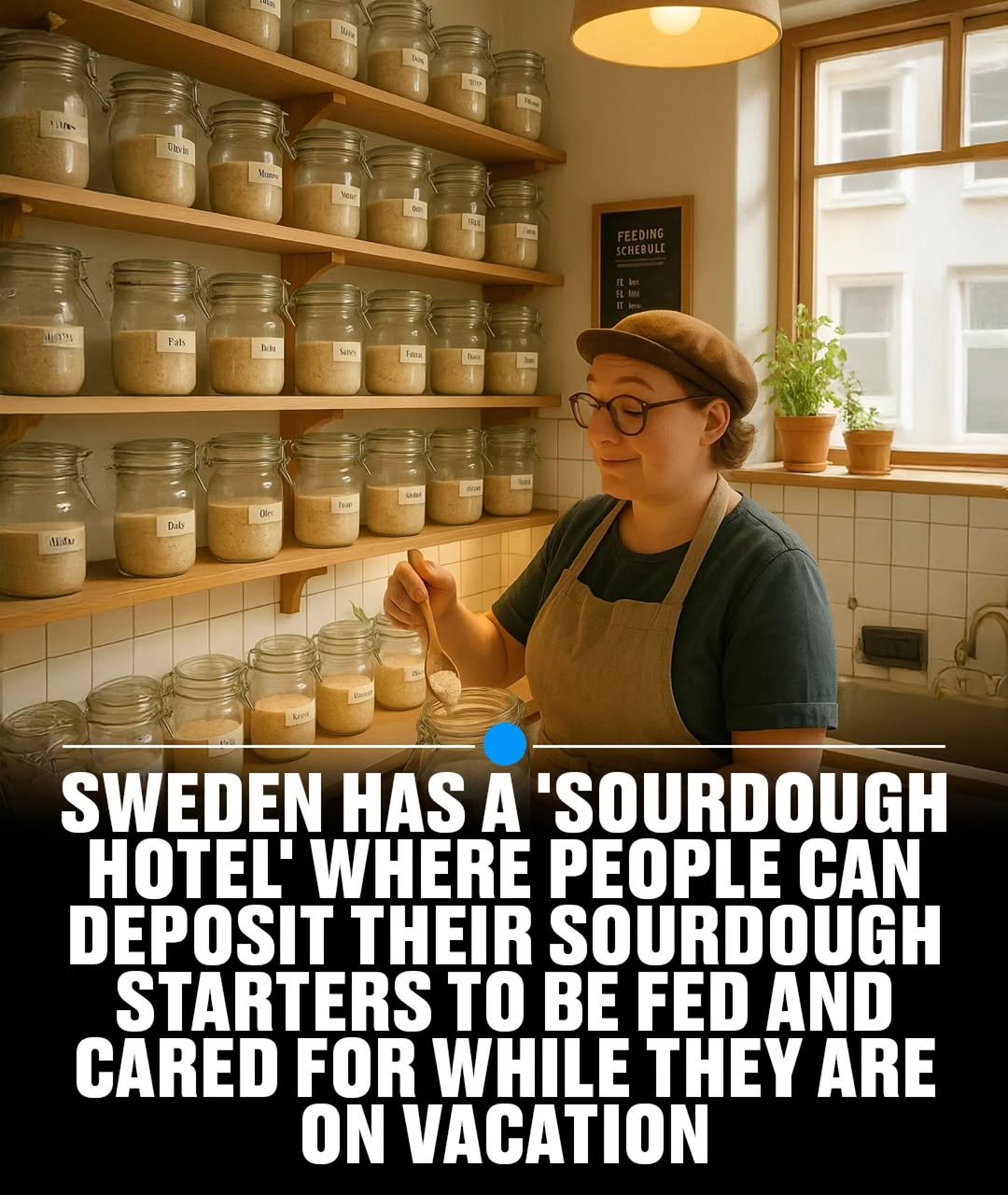
Sweden has found a solution for traveling bakers. Instead of letting their sourdough starters die, they check them into a hotel. Yes, an actual service where your dough is treated like a guest. Sourdough starters are living cultures that need regular feeding with flour and water. If left alone too long, they weaken or die. With many Swedes taking long vacations, the sourdough hotel was born to keep their bubbly companions alive and well. How It Works: Daily Feeding. Staff feed the starters based on owner instructions, sometimes using organic or specialty flours. Stable Conditions. Temperatures are controlled to keep the cultures healthy and active. Personal Touch. Starters are labeled with names and notes. Some even come with a bit of their history. Professional Oversight. Bakers track each starter's development and remove excess discard to maintain size and balance. Upon return, owners are reunited with a thriving culture, ready to bake. Why Sweden Has Sourdough Hotels: Vacation Culture. With weeks away from home, bakers needed a solution to keep their starters alive. Rising Bread Interest. Artisan sourdough saw a surge in popularity, making starter care a bigger deal. Starter Attachment. Some people pass down starters for generations, treating them like heirlooms. Whimsical but Practical. What started as a joke became a beloved service in Stockholm and beyond. The cost usually runs from 100 to 300 SEK per week, or around 12 to 36 USD. While rare outside Sweden, this concept speaks to a bigger truth. Bread is more than food. It is living tradition, and in some places, it is treated with the same care as a loyal pet. ℹ️ Source Smithsonian Magazine (2015). Sweden’s Sourdough Hotels. VICE (2019). Inside Stockholm’s Hotel for Dough. Oddity Central (2021). A Safe Place for Your Starter. #BreadLovers #SourdoughStarter #SwedishInnovation #BakingCulture #FoodFacts #SourdoughHotel #maythesciencebewithyou

At the center of a nuclear blast, death happens faster than the brain can process pain. The intense heat, pressure, and radiation occur in milliseconds, too fast for nerves to send warning signals. This makes nuclear weapons not just destructive, but terrifying in their efficiency. Why Death Happens Instantly: Blast Force. A nuclear detonation releases a shockwave traveling faster than the speed of sound. Near the center, the air pressure is strong enough to rupture lungs and flatten concrete buildings within milliseconds. Extreme Heat. The fireball from a nuclear explosion can reach over 100 million degrees Celsius, hotter than the surface of the sun. Within the immediate area, it vaporizes the human body before pain signals ever reach the brain. Radiation Exposure. Intense gamma rays and neutrons hit within the first second. Anyone near the center receives a lethal dose of radiation that damages DNA at the cellular level. Why Pain Isn’t Felt: The nervous system takes about 10 milliseconds to register pain. But the energy from the blast, heat, and radiation arrive in under 3 milliseconds. The body is gone before the brain knows something is wrong. Why It Matters: Even small nuclear bombs like those used in Hiroshima k*lled over 70,000 people instantly. Modern weapons are far stronger and would cause even more devastation. No medical system can respond fast enough or effectively enough in the aftermath of a full-scale detonation. Understanding this isn’t about fear, it’s about clarity. Nuclear weapons act on a timescale beyond human perception. In those first moments, there is no pain, only silence, light, and then nothing. ℹ️ Source ICAN (2022). Immediate Effects of Nuclear Weapons Atomic Archive (2021). Basic Physics of Blast Effects Live Science (2023). What Happens in a Nuclear Explosion Wikipedia (2024). Effects of Nuclear Explosions #NuclearPhysics #ScienceFacts #BlastWave #AtomicEnergy #DisarmamentNow #maythesciencebewithyou
Everything you see is training your brain. Every post. Every scroll. Every word.. Most people fill their minds with things that make them weaker, not wiser. Then they wonder why they feel lost.. If you want to grow, change what you feed your mind. Here are some great people who share content that actually helps you grow. Mentally, physically, and emotionally: 1) @jaymiemoran 2) @jillianturecki 3) @thomasdelauer 4) @paulhilse 5) @drscottlyons 6) @robdanceofficial 7) @timbiohacker 8) @vexking 9) @realjoemccarthy 10) @rebeccakordecki 11) @fablefund 12) @carole_ann_rice 13) @tif.talks 14) @drorbeaustin 15) @nathalieniddam 16) @fbajayden 17) @doctor_staci 18) @forus.supplements 19) @markreidhealing 20) @chronicfitjourney 21) @drlauriemintz 22) @stockregion 23) @scottkiloby 24) @millionaire_mentor 25) @psychologyposts_ 26) @theplaceforai Comment your favorite! 👇❤️💬

Most people waste their best years chasing cheap dopamine, staying in bad routines, or surrounding themselves with the wrong people... The truth is, your habits and your circle decide where you’ll end up, and the people you learn from matter more than anything. That’s why I’ve listed people in the caption who share lessons that build discipline, health, and success. I highly recommend you follow these accounts now and make your feed work for you: 1) @jaymiemoran 2) @jillianturecki 3) @thomasdelauer 4) @paulhilse 5) @drscottlyons 6) @robdanceofficial 7) @timbiohacker 8) @vexking 9) @tif.talks 10) @realjoemccarthy 11) @kaylabarnes 12) @lindseypositiveperform 13) @fablefund 14) @rebeccakordecki 15) @fbajayden 16) @doctor_staci 17) @drhanydemian 18) @markreidhealing 19) @chronicfitjourney 20) @thejustincolby 21) @scottkiloby 22) @psychologyposts_ 23) @theplaceforai 24) @maythesciencebewithyou 25) @meditationsecrets 26) @skillofmanifestation Comment your favorite! 

Everything you see is training your brain. Every post. Every scroll. Every word.. Most people fill their minds with things that make them weaker, not wiser. Then they wonder why they feel lost.. If you want to grow, change what you feed your mind. Here are some great people who share content that actually helps you grow. Mentally, physically, and emotionally: 1) @jaymiemoran 2) @jillianturecki 3) @thomasdelauer 4) @paulhilse 5) @drscottlyons 6) @robdanceofficial 7) @timbiohacker 8) @vexking 9) @tif.talks 10) @realjoemccarthy 11) @kaylabarnes 12) @suleah 13) @fablefund 14) @rebeccakordecki 15) @fbajayden 16) @doctor_staci 17) @drhanydemian 18) @markreidhealing 19) @chronicfitjourney 20) @thejustincolby 21) @scottkiloby 22) @psychologyposts_ 23) @theplaceforai 24) @maythesciencebewithyou 25) @meditationsecrets 26) @skillofmanifestation Comment your favorite! 👇❤️💬
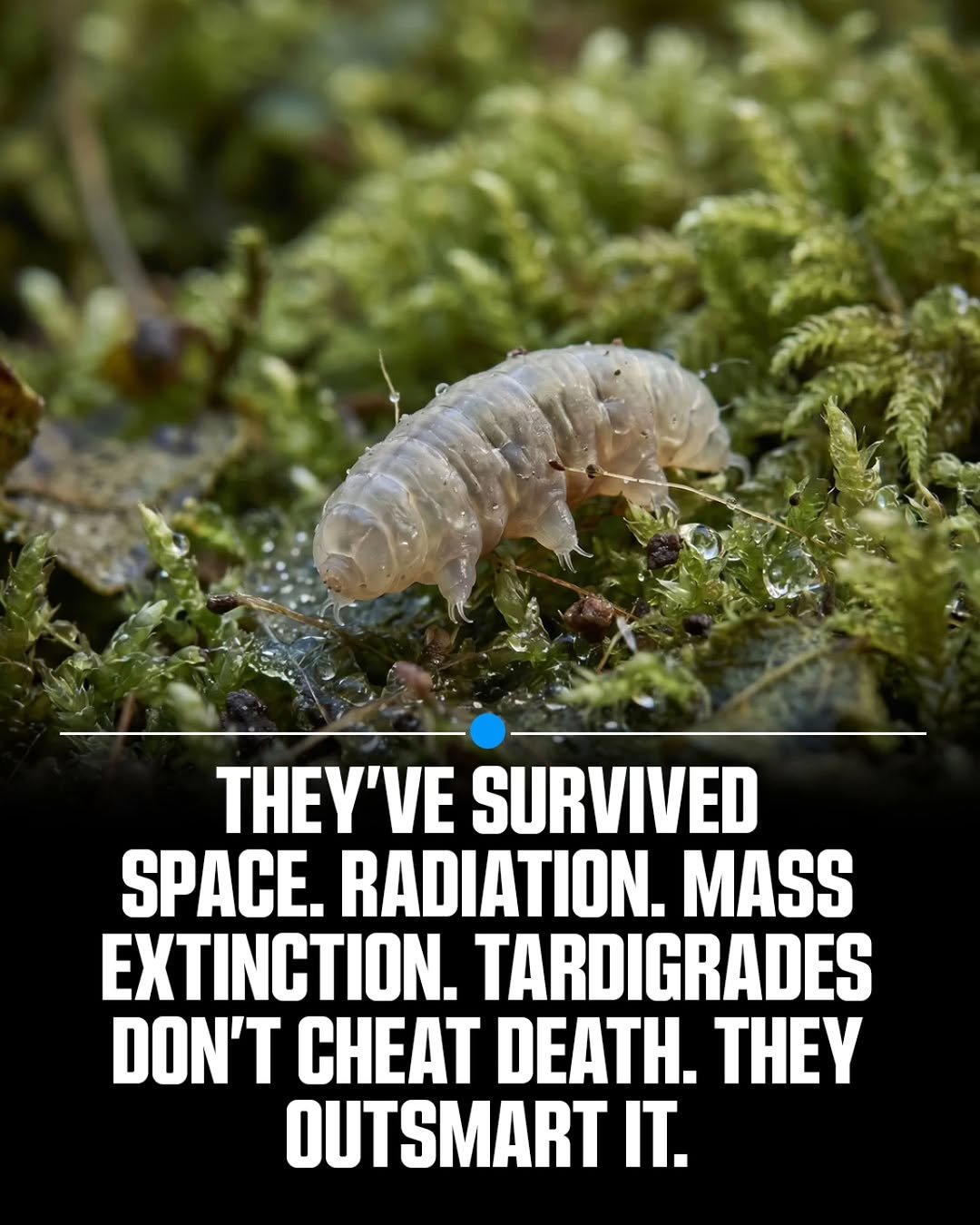
Tardigrades are some of the toughest organisms on Earth, not because they are large or strong, but because of how they survive extreme conditions. These microscopic animals, often called water bears, live in environments from moss and soil to deep oceans and polar ice. What makes them unique is their ability to survive conditions that would kill most life forms. When exposed to drying, freezing, radiation, or even the vacuum of space, tardigrades enter a state called Cryptobiosis. In this state, they lose almost all water in their body, slow their metabolism to near zero, and curl into a protective form known as a tun. They can remain this way for years and then revive when conditions improve. Studies have shown that some tardigrades can survive temperatures close to absolute zero and short exposure to temperatures above 100°C. They have also survived direct exposure to space in experiments conducted by the European Space Agency. Why Tardigrades Matter to Science: DNA Protection. Tardigrades produce unique proteins like Dsup that help shield DNA from radiation damage. This has been studied for potential use in protecting human cells. Repair Mechanisms. Research shows they activate strong DNA repair systems after exposure to radiation, allowing them to recover from damage that would be fatal to most organisms. Biological Preservation. Their ability to dry out and restart life processes is being studied for storing vaccines, cells, and even organs without refrigeration. Space Research. Their survival in space helps scientists understand how life might exist beyond Earth and how humans could protect biology during long missions. In contrast, most organisms depend on stable environments to survive. Tardigrades show that life can adapt far beyond what was once thought possible. ℹ️ Sources Cell (2016). Dsup protein and DNA protection in tardigrades. European Space Agency (2008). Tardigrades survival in space. Current Biology (2020). Mechanisms of cryptobiosis. #Science #Tardigrades #Biology #DNA #MayTheScienceBeWithYou

These laws give you more than an unfair advantage.. 👇 They show you that results come from clear choices and consistent action. But here’s what most people miss: your mind is shaped by what you see every day. Your Instagram feed is slowly training your brain, post by post. That’s why I made a list of people on Instagram who share ideas that actually help you grow. Here they are, I highly recommend you follow them: 1) @jaymiemoran 2) @jillianturecki 3) @thomasdelauer 4) @paulhilse 5) @drscottlyons 6) @robdanceofficial 7) @timbiohacker 8) @vexking 9) @tif.talks 10) @fablefund 11) @rebeccakordecki 12) @leahfeuer 13) @thepersonaldevelopmentschool 14) @fbajayden 15) @doctor_staci 16) @chronicfitjourney 17) @tjpower 18) @theembodylab 19) @millionaire_mentor 20) @psychologyposts_ 21) @theplaceforai 22) @maythesciencebewithyou 23) @meditationsecrets 24) @skillofmanifestation 25) @powerofpsychology 26) @whereyoulearnai Comment your favorite! 👇❤️💬
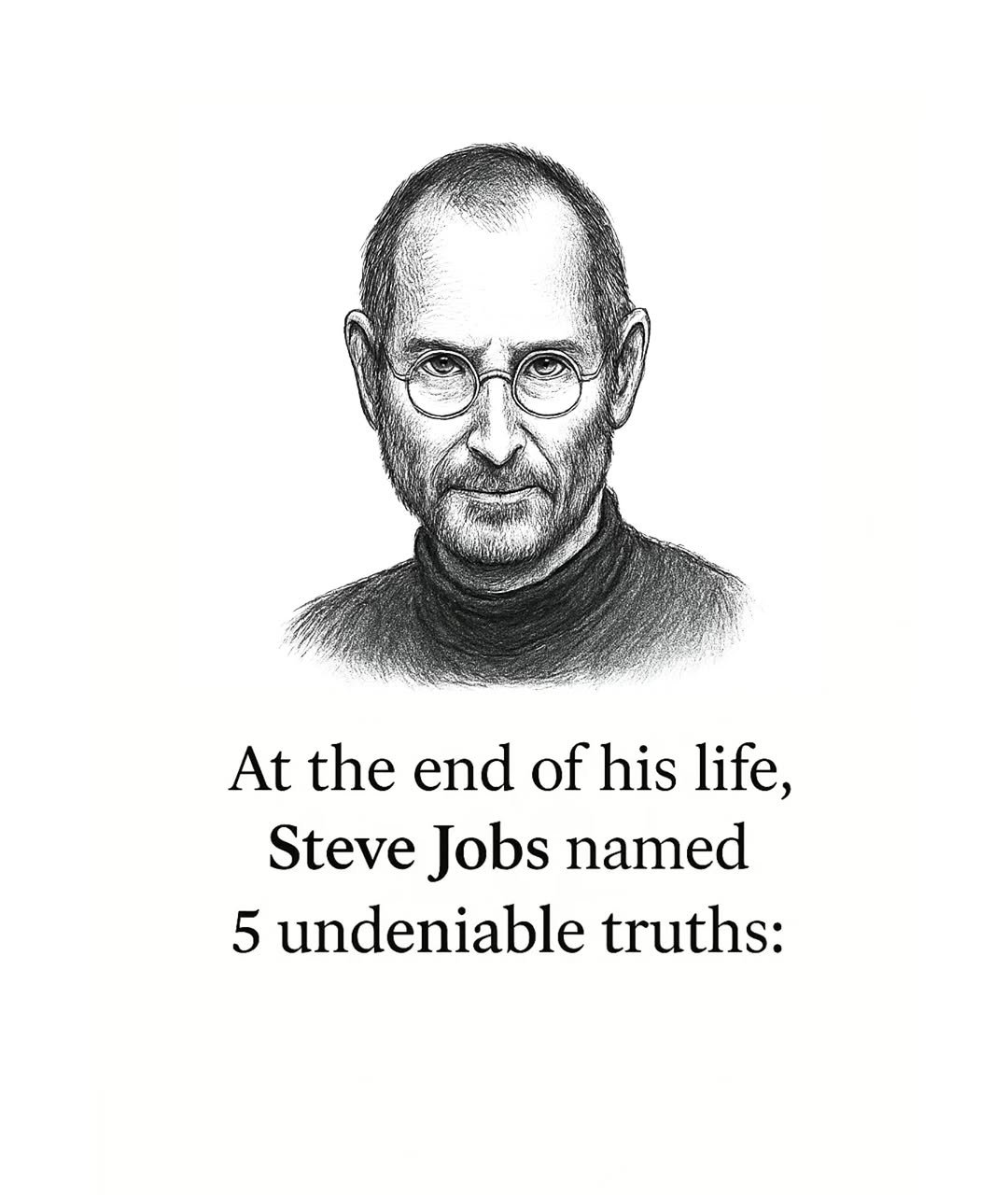
Steve Jobs taught a simple truth.. 👇 Your time is short. Use it well. Make your own path. Say yes to what matters and no to the rest. Here’s a secret most people miss: your mind is shaped by what you see every day. Your Instagram feed is teaching you, one post at a time. That’s why I made a list of creators in the caption who share ideas that actually help you grow. I highly recommend you follow them, and make your feed work for you. Here they are: 👇 1) @jaymiemoran 2) @jillianturecki 3) @thomasdelauer 4) @paulhilse 5) @drscottlyons 6) @robdanceofficial 7) @timbiohacker 8) @vexking 9) @tif.talks 10) @fablefund 11) @rebeccakordecki 12) @lucyspicer_ 13) @thepersonaldevelopmentschool 14) @fbajayden 15) @doctor_staci 16) @chronicfitjourney 17) @tjpower 18) @theembodylab 19) @millionaire_mentor 20) @psychologyposts_ 21) @theplaceforai 22) @maythesciencebewithyou 23) @meditationsecrets 24) @skillofmanifestation 25) @powerofpsychology 26) @whereyoulearnai Comment your favorite! 👇❤️💬
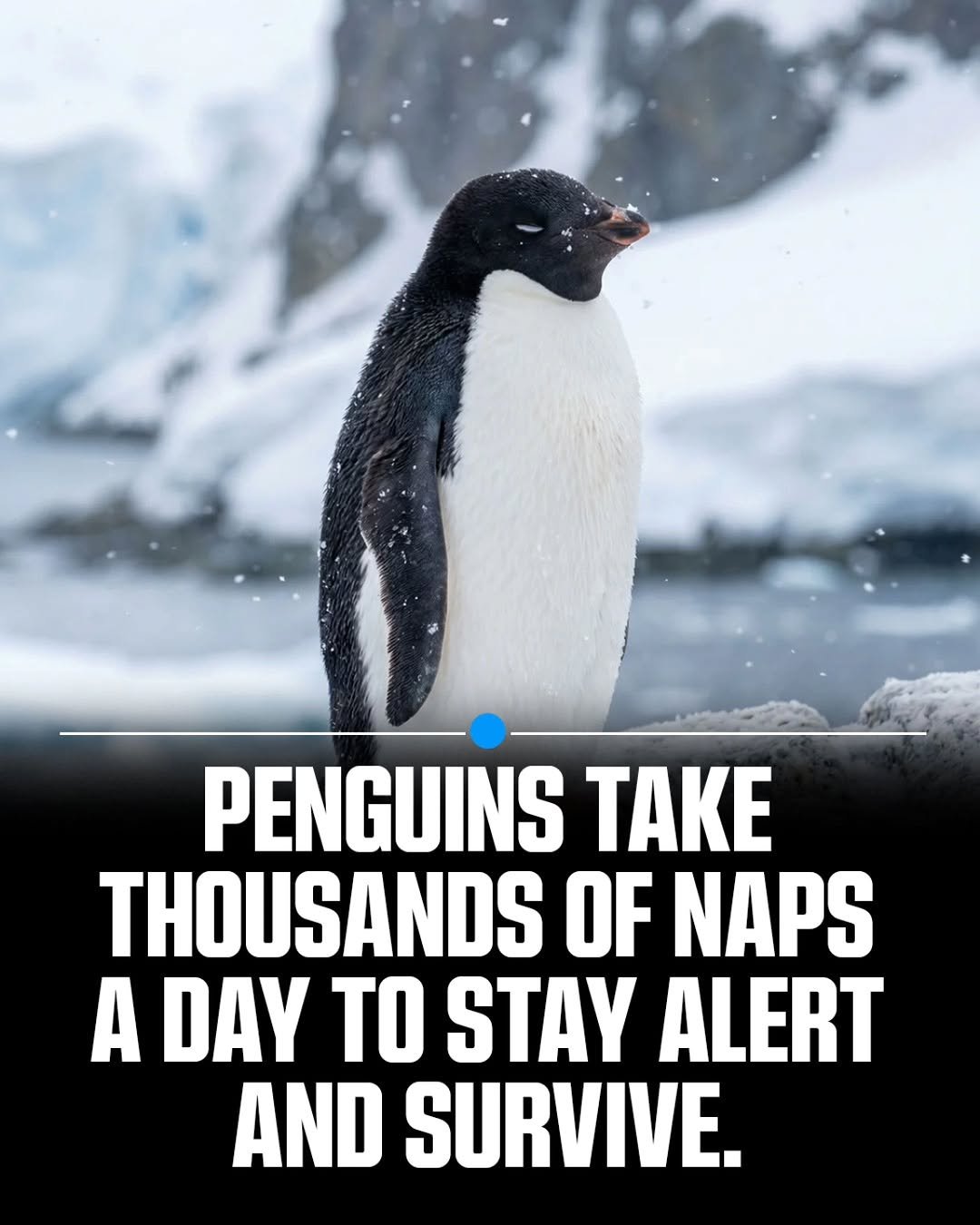
Penguins may look calm and still, but their sleep is surprisingly intense and unusual. Instead of long, deep rest, they rely on thousands of tiny naps throughout the day. A recent study led by Paul-Antoine Libourel found that Chinstrap penguin can sleep in bursts lasting just a few seconds. Over a full day, these micro naps can add up to more than 10 hours of total sleep. Some individuals were recorded taking over 10,000 naps in a single day. Scientists believe this pattern helps penguins stay alert in harsh environments while still getting enough rest. Living in large colonies means they must constantly watch for predators and protect their nests, so short naps reduce risk while maintaining recovery. Why Penguin Sleep Is Unique: Micro Sleep Bursts. Penguins sleep in seconds long episodes instead of long cycles, allowing constant awareness of their surroundings. High Total Sleep. Even with fragmented sleep, their total rest time can match or exceed many animals. Survival Advantage. Short naps help them stay responsive to threats in crowded and exposed habitats. Flexible Brain Function. Unlike some animals, penguins do not fully shut down for long periods, keeping them ready to react. In contrast, other animals have very different sleep strategies. Bats can sleep up to 20 hours a day, while giraffes may sleep less than 2 hours. Marine mammals like seals can use unihemispheric sleep, where one half of the brain rests while the other stays active. This research shows that sleep is not one size fits all. It adapts to each species’ environment and survival needs. ℹ️ Sources Current Biology (2023). Sleep patterns in Chinstrap penguins. Centre National de la Recherche Scientifique (2023). Penguin sleep study. National Geographic (2023). Animal sleep comparisons. #Science #Animals #Sleep #Nature #MayTheScienceBeWithYou
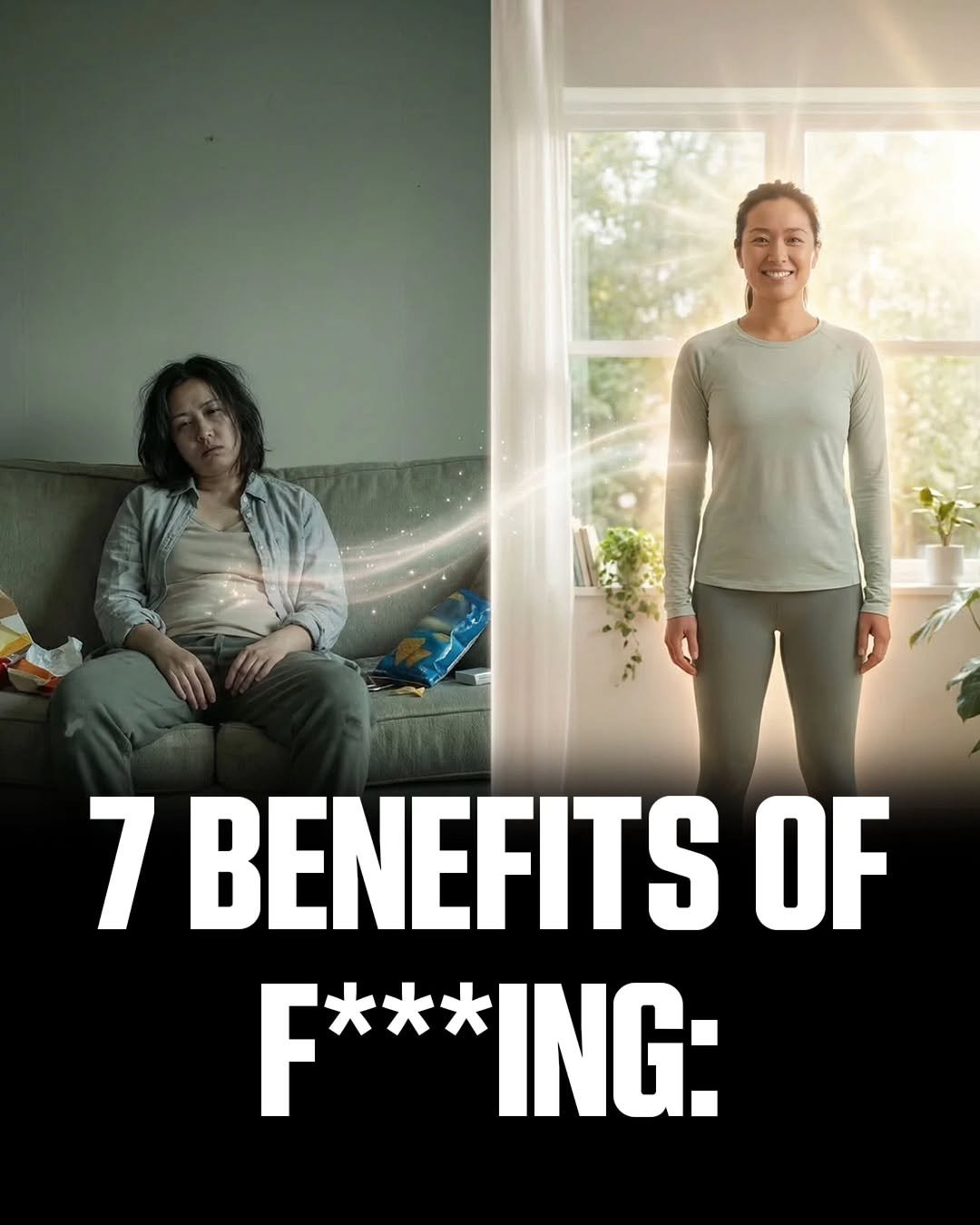
Everyone wants 2026 to be their best year, but most of us keep getting distracted by things that hold us back... 👇 When you change what you allow into your mind, your results get better FAST. That’s why I highly recommend you follow these accounts and make your feed work for you: 1) @jaymiemoran 2) @jillianturecki 3) @thomasdelauer 4) @paulhilse 5) @drscottlyons 6) @robdanceofficial 7) @timbiohacker 8) @vexking 9) @tif.talks 10) @drorbeaustin 11) @nathalieniddam 12) @coach_domonique 13) @drhaleyperlus 14) @thepersonaldevelopmentschool 15) @fbajayden 16) @doctor_staci 17) @dougallfraser 18) @chronicfitjourney 19) @stockregion 20) @carolinebrittoncoaching 21) @psychologyposts_ 22) @theplaceforai 23) @maythesciencebewithyou 24) @meditationsecrets 25) @skillofmanifestation 26) @powerofpsychology Comment your favorite! 👇❤️💬

Everything you see is training your brain. Every post. Every scroll. Every word.. Most people fill their minds with things that make them weaker, not wiser. Then they wonder why they feel lost.. If you want to grow, change what you feed your mind. Here are some great people who share content that actually helps you grow. Mentally, physically, and emotionally: 1) @jaymiemoran 2) @jillianturecki 3) @thomasdelauer 4) @paulhilse 5) @drscottlyons 6) @robdanceofficial 7) @timbiohacker 8) @vexking 9) @tif.talks 10) @drorbeaustin 11) @nathalieniddam 12) @kelliraethompson 13) @drhaleyperlus 14) @thepersonaldevelopmentschool 15) @fbajayden 16) @doctor_staci 17) @dougallfraser 18) @chronicfitjourney 19) @stockregion 20) @carolinebrittoncoaching 21) @psychologyposts_ 22) @theplaceforai 23) @maythesciencebewithyou 24) @meditationsecrets 25) @skillofmanifestation 26) @powerofpsychology Comment your favorite! 👇❤️💬