인기 검색 계정






























Science 🧬(@science) 인스타그램 상세 프로필 분석: 팔로워 1,853,408, 참여율 1.86%

@science
비즈니스Science 🧬
🧲🧬🔭@science Learn Something New Everyday We’re now on Tik Tok too! @science ✉️Business inquiries 👉 partner@memesmediagroup.com
@science님과 연관된 프로필
연관 프로필이 없습니다
이 계정에 대한 연관 프로필 정보를 찾을 수 없습니다
@science 계정 통계 차트
게시물 타입 분포
시간대별 활동 분석 (최근 게시물 기준)
@science 최근 게시물 상세 분석
이미지 게시물 분석
여러 장 게시물 분석
@science 최근 게시물

In 1991, NASA launched 2,478 baby jellyfish aboard Space Shuttle Columbia to answer a terrifying question about humanity's future in space—and what returned were 60,000 jellyfish that had developed severe space-induced vertigo, permanently unable to navigate Earth's gravity. Lead researcher Dr. Dorothy Spangenberg designed the experiment aboard NASA's first Spacelab Life Sciences (SLS-1) Mission with a profoundly human motivation: if humanity ever colonizes space and children are born beyond Earth, will those humans be able to return home? Jellyfish provided the perfect biological proxy—their calcium sulfate crystal gravity-sensing organs (statoliths) operate on identical principles to the calcium carbonate structures in human inner ears that tell our brains which way is up. 2,478 moon jellyfish (Aurelia aurita) were launched in bags of artificial seawater aboard Columbia alongside seven human astronauts. Astronauts injected iodine into the bags to trigger strobilation—asexual reproduction—and monitored development closely. After just nine days in orbit, NASA had 60,000 jellyfish in space, reproducing exponentially in microgravity. Upon returning to Earth, six times more space-born jellyfish exhibited pulsing abnormalities compared to Earth-raised controls. While the jellyfish successfully formed calcium sulfate crystals in space, those crystals developed incorrectly—leaving the animals with a severe, permanent case of vertigo that made normal swimming impossible. This revealed that gravity is not merely a comfort—it is a fundamental biological necessity during critical developmental windows that cannot be compensated for afterward. If children were born and raised in microgravity, their inner ear gravity-sensing structures might develop incorrectly—just like the jellyfish statoliths—leaving space-born humans potentially unable to function normally on Earth, trapped forever in the environment where they were born.

Meet nature's most weather-sensitive primate—a critically endangered monkey so anatomically unlucky that rainstorms turn into sneeze-filled nightmares. The Myanmar snub-nosed monkey (Rhinopithecus strykeri), discovered just 15 years ago in the remote mountains of northern Myanmar, possesses one of evolution's most peculiar design flaws: upturned nostrils that act like tiny rain funnels. When precipitation falls directly into their exposed nasal cavities, the monkeys sneeze so loudly and frequently that local hunters can easily track them during the wet season by following the distinctive sound echoing through the forest. Local Lisu and Law Waw communities have long known these primates by names meaning "monkey with an upturned face"—mey nwoah and myuk na tok te—and report that the animals have developed a remarkable behavioral adaptation to cope with their unfortunate anatomy. During rainstorms, the monkeys sit with their heads tucked face-down between their knees, maintaining this uncomfortable position until the weather clears to prevent water from entering their problematic nostrils. Scientists formally described Rhinopithecus strykeri in 2011 based on specimens obtained from local hunters, making it the first snub-nosed monkey species discovered in Myanmar. However, the species entered the scientific record already critically endangered, with only 260-330 individuals surviving in a tiny range spanning the Myanmar-China border at altitudes between 8,500-10,000 feet. Habitat destruction from Chinese logging operations and hunting pressure threaten to eliminate this unique species before researchers can fully study their remarkable rain-avoidance behavior. The monkeys spend summer months in higher altitude mixed forests, descending to lower elevations in winter—a seasonal migration that makes them particularly vulnerable to human encroachment and habitat fragmentation.
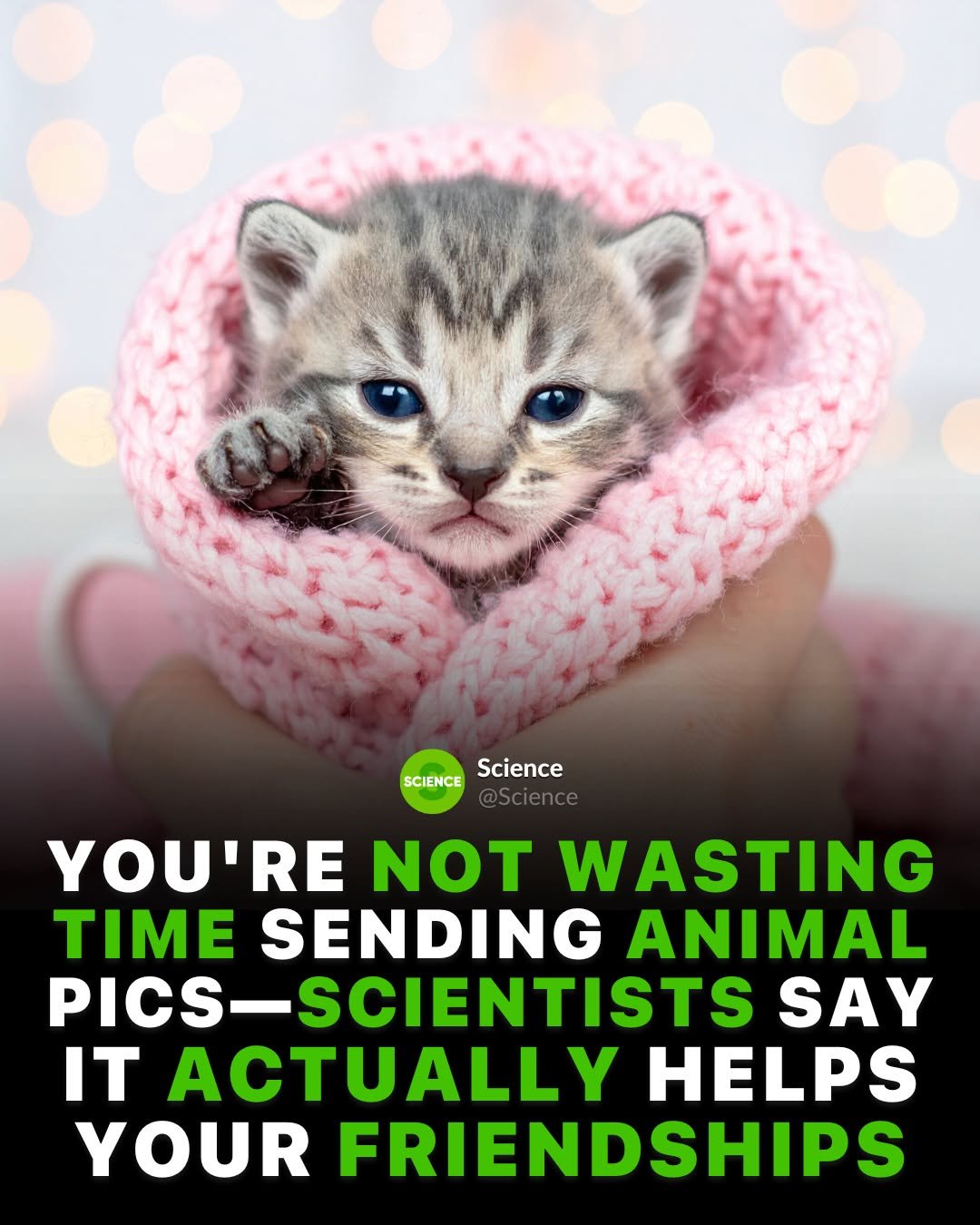
Scientists have finally solved the mystery of why cute animal content dominates the internet—and it's not just about getting likes. A study from Concordia University and ESSEC Business School reveals that sharing videos of cute animals actually strengthens human relationships in ways we never understood before. Researchers Zeynep Arsel and Ghalia Shamayleh discovered that sending animal content creates "digital affective encounters"—moments that trigger genuine positive emotions between people. The study, published in the Journal of Consumer Research, interviewed animal content creators and consumers to understand this phenomenon. What they found was shocking: people put serious thought into which animal posts they share, using them to recall shared memories and show deep personal knowledge of their friends. The research reveals that animal content acts as a "social lubricant" online, creating what scientists call "digital affective networks"—entire relationship systems built around mood-boosting content. Someone might send a video of baby pandas falling over with the caption "You and me at our first yoga class," instantly connecting past experiences with present laughter. This isn't mindless scrolling—it's sophisticated emotional communication. In a world where social media gets criticized for toxic content, cute animals have become our secret weapon for maintaining genuine human connections across digital spaces. The findings suggest that your daily dose of cat GIFs isn't digital junk food—it's relationship maintenance disguised as entertainment. Source: 10.1093/jcr/ucaf023

A baby can't tell you they're too hot until it's already a problem. A review of more than 60,000 SIDS cases found overheating is one of the strongest preventable risk factors — and some of the most common mistakes parents make don't look dangerous at all. Researchers have repeatedly linked elevated body and room temperature to sudden infant death syndrome, with the risk rising sharply in warmer months and warmer sleep environments. The mechanism is straightforward: infants have an immature ability to regulate their own body temperature, and overheating can suppress the arousal reflex that normally wakes a baby when breathing is compromised. Here are four everyday habits that quietly increase that risk. Draping a muslin blanket over a stroller to block sun feels protective, but it can turn the stroller into a greenhouse — blocking airflow and trapping heat directly around the baby's face and body, sometimes raising the internal temperature well above what's outside. Checking only a baby's hands and feet to judge temperature is misleading, because extremities are naturally cooler due to normal blood flow patterns. The chest and the back of the neck reflect true core temperature far more accurately — and are the areas pediatricians recommend checking instead. Adding extra layers in an air-conditioned car seems like common sense, but car seats already trap body heat against the back and legs. Combined with AC that cycles on and off, a baby can go from comfortable to overheated in the time it takes to run an errand. Keeping a hat on after coming inside is one of the easiest mistakes to miss. Babies lose a significant share of body heat through the head — which also means a covered head retains heat just as efficiently once the outdoor cold is no longer a factor. None of these habits look careless. Each one comes from a genuine parental instinct to protect against cold or sun. But the data is consistent: it's not the dramatic risks that catch most parents off guard — it's the small, well-intentioned ones. source: American Academy of Pediatrics; SIDS overheating risk research (review of 60,000+ cases).
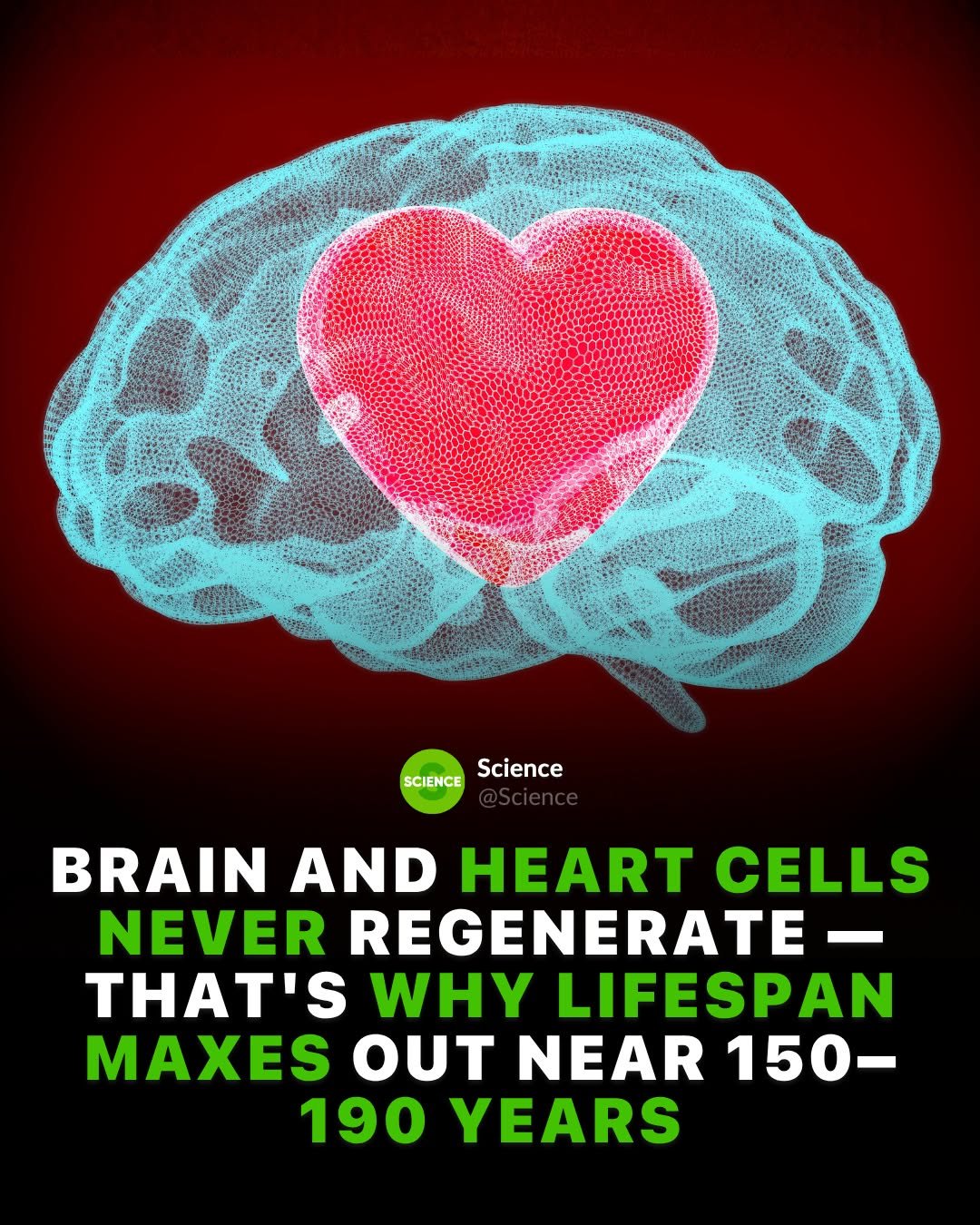
If every other form of aging could somehow be switched off, cellular mutation alone would still kill you — researchers just calculated the exact age it would happen: 146 to 194 years old. Researchers built a mathematical model that isolates one specific driver of aging — somatic mutations, the small genetic errors that accumulate in your cells every time they divide — and asked a theoretical question: if this were the *only* thing causing the body to break down, with every other aging mechanism eliminated, how long could a human actually live? The answer depends entirely on which organ you're asking about, because not all tissue ages the same way. Cells like neurons and heart muscle cells stop dividing early in life and never get replaced, so mutations just quietly pile up in the same fixed set of cells for a lifetime. The model found this alone would cap median lifespan at around 156 years — a steep drop from the roughly 1,759-year lifespan the same tissue could theoretically sustain with zero aging at all. Organs built differently tell an entirely different story. Tissue like the liver constantly regenerates, replacing damaged cells with fresh ones — effectively resetting the mutation clock and neutralizing the decline almost entirely. In isolation, mutation-driven damage to liver tissue alone would allow it to keep functioning for thousands of years. Combining every organ's mutation burden together, the model lands on a median lifespan of 146 to 194 years — roughly double what humans currently reach. The researchers are careful to note this number represents a hard ceiling from mutations alone, not a prediction that anyone will reach it — because in reality, other aging processes (inflammation, protein damage, cellular senescence, and more) are acting in parallel and are just as significant. Removing one wall doesn't remove the room. source: Efimov, E., Fedotov, V., Malaev, L., et al. (2026). Somatic mutations impose an entropic upper bound on human lifespan. npj Aging.
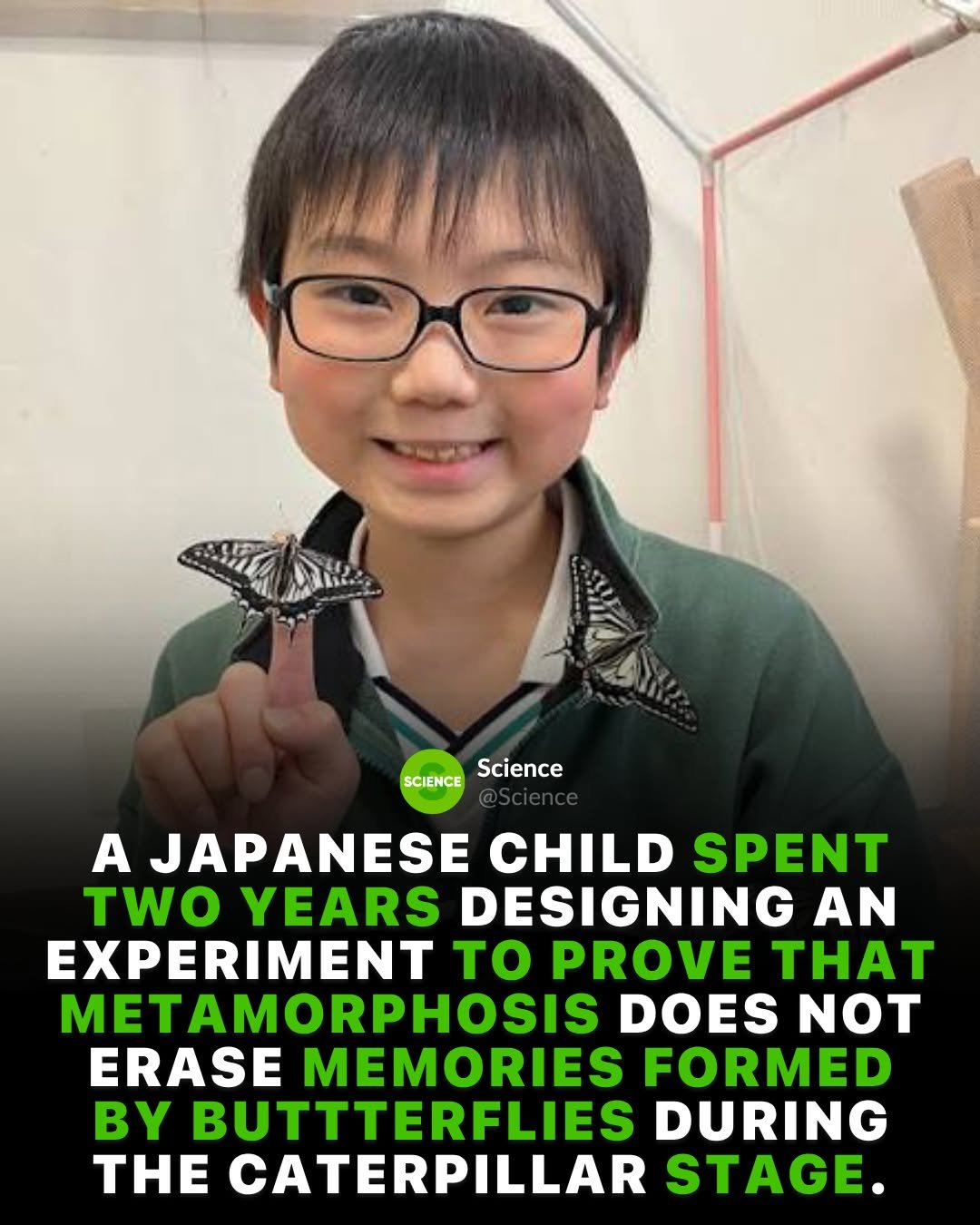
A second-grader in Kobe, Japan noticed something odd: his hand-raised butterflies lingered near him after release, sometimes even flying back — while wild ones fled on sight. So he designed an experiment to find out if they actually remembered him. Jo Nagai's question led him to Dr. Martha Weiss, a Georgetown University entomologist who had previously shown that moths can retain memories through metamorphosis. At just seven or eight years old, Nagai wrote her a detailed letter proposing to replicate her work on swallowtail butterflies. Weiss was struck by the thoroughness of a child's proposal and agreed to mentor him remotely. Using a mild vibration from a household muscle-therapy device, Nagai trained caterpillars to associate the sensation with the scent of lavender. Inside the chrysalis, a caterpillar's body doesn't simply reorganize — it dissolves into a soup of cells and rebuilds itself into a completely different anatomy, brain included. That total reconstruction is exactly why memory retention seemed implausible in the first place. Yet after emerging as adult butterflies, the majority of the trained group still avoided the lavender scent, while an untrained control group showed no such aversion. Nagai then pushed the experiment further: he bred the trained butterflies and tested their offspring, who had never been exposed to the vibration training at all. According to accounts from Weiss's family, the next generation still showed the same instinctive aversion to lavender — memory, or something functioning like it, appearing to pass across a generation that never learned the association firsthand. The findings challenge a basic assumption in developmental biology: that a brain rebuilt from near-total cellular collapse should have no reason to preserve what came before. Nagai's results, still being formally written up for review, suggest metamorphosis may edit an insect's memory rather than erase it — and that whatever survives may not stop with the individual. source: Nagai, J., & Weiss, M. (2026, forthcoming). Transgenerational memory retention in Papilio xuthus following larval conditioning.

Milk tea has gained worldwide popularity in recent years (Wu, 2020). It refers to an umbrella term encompassing all beverages sold in milk tea shops, such as milk tea, fruit tea, floral tea, bubble tea, and others. This inclusive definition is based on the emerging trend of combining ‘milk tea + other tea drinks’ in the present Chinese milk tea market, gradually becoming mainstream (Shi et al., 2021; Zhao et al., 2021). Previous research has investigated the relationship between the consumption of unhealthy diets, including milk tea, and poor mental health in 14,500 participants, revealing that milk tea consumption increased the risk of experiencing psychological symptoms (Xu et al., 2020). A more recent study specifically examined the link between milk tea consumption and mental health, finding a potential connection with an increased risk of depression and anxiety (Wu et al., 2022). _____ Source: study conducted from 5281 college students in Beijing, China. #milktea #milk #tea #addiction #science

So, now that we know the average cumulus cloud weighs 1.1 million pounds, how does this much weight stay in the air and not crash down on our heads? It is actually because the cloud weighs less than the clear, dry air surrounding it! Atmospheric/barometric pressure, or the weight of the dry air particles, is almost 1,000 times heavier than the weight of all the water particles in that singular cloud! So, the "lighter" water droplets/cloud is less dense than the surrounding dry air in a given volume, allowing the cloud to rise and safely float above our heads. A secondary explanation for why clouds float despite their heavy weight is because of the size of the water droplets contained within them and the physical space over which they are spread. Most clouds contain water droplets and/or ice crystals that are rather small and are spread out over a huge space (miles, even) within the clouds. Because of this combination, the effect of gravity on these water droplets, and therefore their fall speed, is negligible, allowing them to suspend in the air and the cloud to float in the sky. Though various processes can allow water droplets to become larger, heavier, and more dense than the surrounding dry air. If this occurs, cloud droplets form into precipitation and now have a meaningful fall speed, sinking below the dry air particles and dropping out of the sky, landing on Earth as some form of precipitation. So, maybe some clouds do crash down onto Earth after all. ______ Source: U.S. Geological Survey #cloud #clouds #science #weather #stem #sciencefacts
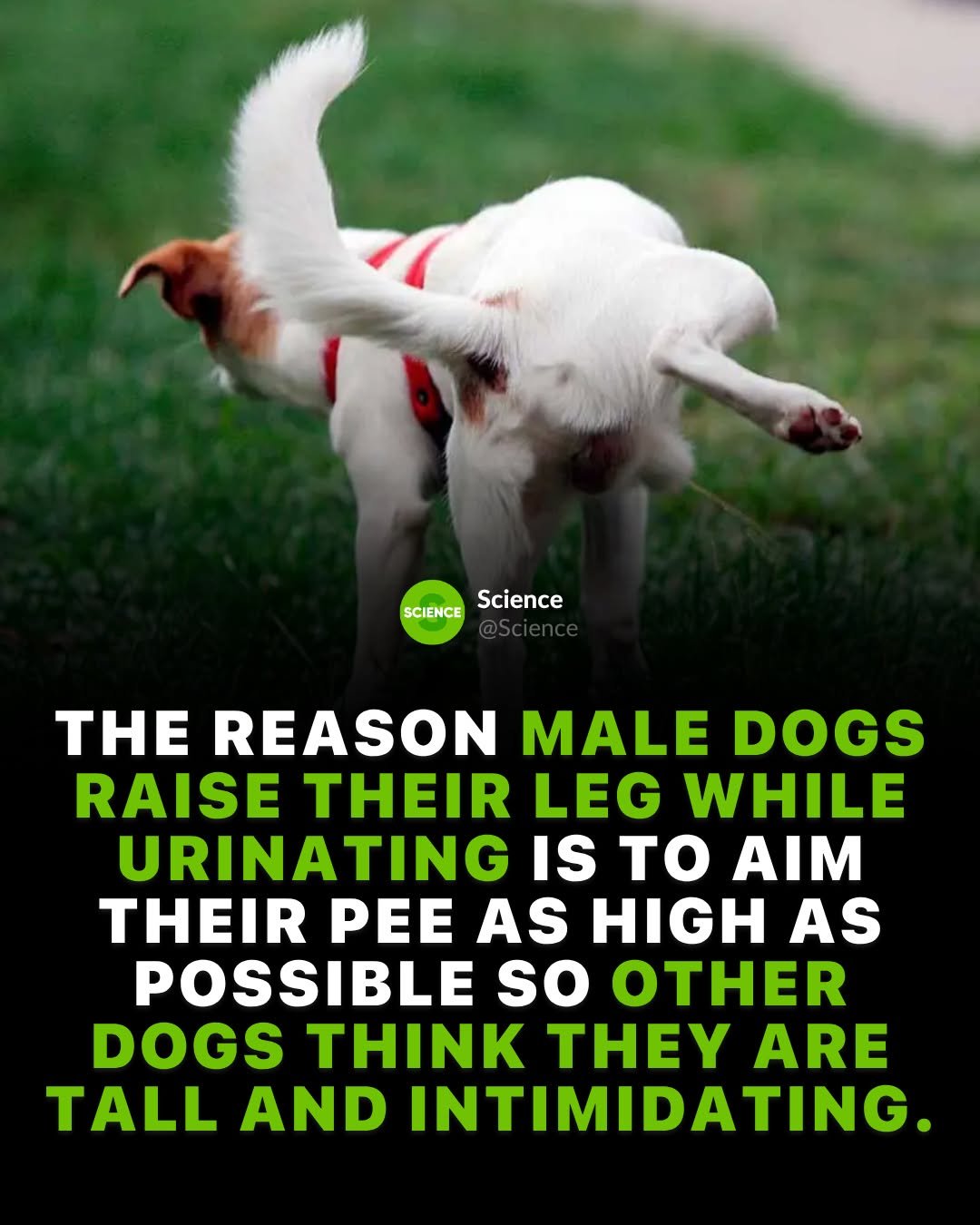
Female dogs opt for less yoga-like squatting postures than their male companions, who can sometimes be seen with their leg so far in the air they seem about ready to topple over. It turns out that the height to which male dogs raise their leg has a lot to do with their body size, where they are, and who’s around. All canines use urine to mark their territory, but some do it more than others. All male dogs, big and small, raise their leg to pee or scent-mark much more frequently in the fall than in the summer, likely because it is mating season. Accordingly, the frequency of their urination increases whenever there is a female dog or a male competitor present. Males will sometimes even raise their leg when their bladders are empty, performing what is called a raised-leg display. Females mark their scent much more often when near their nest or den, and males mark theirs more frequently on unfamiliar objects and places. The height to which they raise their leg also seems to have to do with getting a mate, defending territory, or intimidating other males. Male dogs raised their legs higher when near the edges of their territories, or when they were with their mates. But proportionally, littler dogs raised their leg much higher than their big friends. Perhaps this is their way of making themselves seem larger, like a betta with its fins or a cat with its fur.

A 65-year-old woman ended up in the emergency room three days after her daughter's wedding, and doctors initially thought she was having a heart attack. She wasn't. Her heart had been physically reshaped by joy. Case study authors reported the woman suffered chest pain and shortness of breath following the celebration, prompting an urgent hospital referral. Tests showed reduced blood flow to her heart — the classic signature of a heart attack — but no blood clot could be found anywhere. Instead, her left ventricle showed an unusual ballooning shape, weakening the heart muscle and impairing its ability to pump blood efficiently. The diagnosis was takotsubo cardiomyopathy, a rare condition first documented in 1983 at Hiroshima City Hospital and named after Japanese octopus traps, which the ballooned ventricle closely resembles. The condition is triggered by a sudden flood of intense emotion, positive or negative, causing a surge of stress hormones that temporarily overwhelms the heart. The negative version is widely known as "broken heart syndrome"; this woman had the rarer positive-emotion counterpart, "happy heart syndrome." Only 1 to 3 percent of suspected heart attacks without a detectable clot turn out to be takotsubo cardiomyopathy overall — and just 4 percent of those cases are triggered by happiness rather than distress, making this presentation genuinely uncommon. The condition is reversible but not harmless — it remains capable of causing serious, sometimes fatal complications during the acute episode. In this case, the woman made a full recovery and remains healthy, with doctors noting she's looking forward to celebrating her other children's milestones in the years ahead. source: Oxford Medical Case Reports
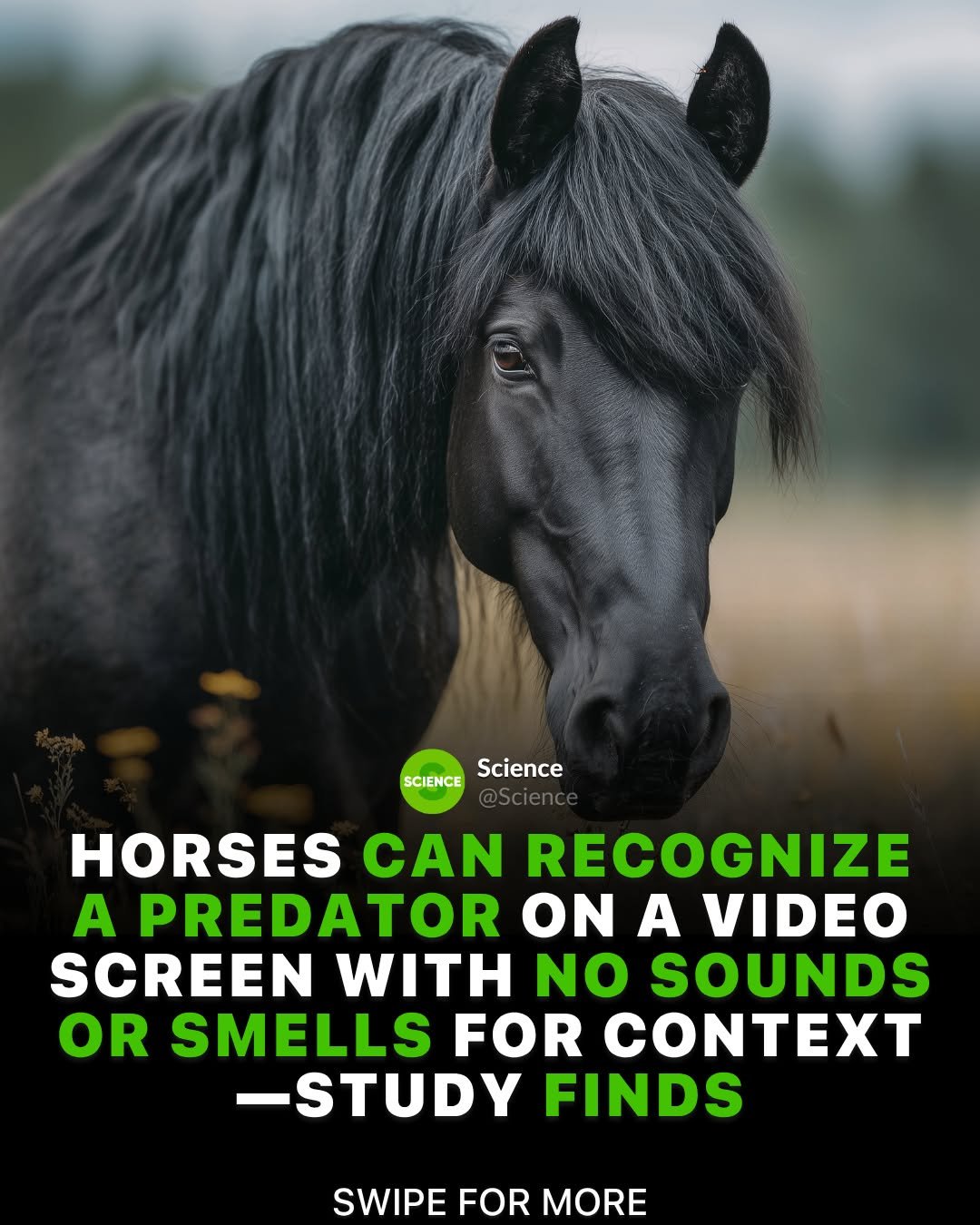
Horses can recognize a wolf on a silent video screen with zero context — no smell, no sound, no prior experience — and their heart rate spikes on the spot. Researchers at Ohio State University studied 18 horses of varying ages and sexes, fitting each one with a heart monitor and camera while it watched a brief silent video alone in its stall. The footage showed a neutral control scene of wombats grazing, followed by wolves either fighting or grooming each other, with the order of the wolf scenes reversed for half the horses. Heart rates stayed completely at baseline during the wombat footage but rose significantly the moment wolves appeared — regardless of whether the wolves were fighting or calmly grooming, a result the lead researcher didn't expect going in. What makes this stranger is what the horses *didn't* do. Despite the elevated heart rate, the horses showed no spooking, head-bobbing, tail-swishing, or fixed threat-gaze — the physical tells handlers typically rely on to know an animal is stressed. Researchers had also expected the horses to favor a particular eye when assessing the wolves, since left-eye viewing is linked to threat processing in the right brain hemisphere across most vertebrates — but the horses showed no such preference here, instead watching the wombats intently with both eyes straight on. The reaction wasn't uniform either: heart rate spikes were more pronounced in male horses and in horses that held higher social status within their herd, likely reflecting their outsized role in group decision-making around safety. The lead researcher noted this level of rapid cognitive assessment is unexpected for a prey species, historically assumed to run largely on instinctive fight-or-flight, and said the finding matters directly for rider and handler safety — a horse can be internally on high alert with no outward sign of it at all. An animal can look completely calm while quietly deciding, within seconds, exactly what kind of threat it's looking at. source: Benderlioglu, Z., et al. (2026). Equines recognize friend vs. foe with visual cues alone. PLOS One.

Scientists took the human gene most strongly linked to obesity and inserted it into a potato — and instead of destroying the plant, it grew 50% more food. The gene is called FTO, and researchers at the University of Chicago, Peking University, and Guizhou University set out to test it after learning it plays a direct role in human weight gain — someone with two copies of the gene variant is roughly 70% more likely to carry excess weight. Crucially, no equivalent gene exists naturally in plants, which is exactly what made the researchers wonder what would happen if they added one. The team fully expected disaster. Plant growth depends on an intricate web of genes and environmental signals working in tandem, and there was no clear reason a single mammalian gene should improve anything rather than break the system entirely. Instead, rice engineered with the human gene produced three times more yield under lab conditions, and about 50% more yield and biomass in outdoor field tests. The plants also photosynthesized more efficiently, grew longer roots, and withstood drought conditions better than unmodified crops. Potatoes showed the same pattern despite being an entirely unrelated species, and further tests on grass, trees, cress, and lettuce produced the identical result: faster, stronger, bigger growth across every plant tested. Researchers still aren't fully certain why it works, but their leading theory is that because plants have no natural defense against a protein like FTO, it acts almost unrestricted once inserted. The technique remains experimental: proving it works reliably across full growing seasons in real farmland will take years, and the team is now investigating whether the same effect can be triggered using genes already present in plants, avoiding a human gene insertion altogether. But five years on, a discovery born from studying human obesity is quietly pointing toward one of the more promising tools for feeding a warming, growing planet. source: Yu, Q., et al. (2021). RNA demethylation increases the yield and biomass of rice and potato plants in field trials. Nature Biotechnology.