인기 검색 계정






























Will Bulsiewicz MD MSCI | Gastroenterologist(@theguthealthmd) 인스타그램 상세 프로필 분석: 팔로워 668,372, 참여율 0.46%
@theguthealthmd
인증됨Will Bulsiewicz MD MSCI | Gastroenterologist
👨🏻⚕️Board-certified GI & Lifestyle Med 📚3x NYT Bestseller ↙️ Get Plant Powered Plus now! 💊 @38TERA Founder — my standard for supplements
https://www.amazon.com/Plant-Powered-Plus-Activate-Inflammation/dp/0593418794@theguthealthmd님과 연관된 프로필
연관 프로필이 없습니다
이 계정에 대한 연관 프로필 정보를 찾을 수 없습니다
@theguthealthmd 계정 통계 차트
게시물 타입 분포
시간대별 활동 분석 (최근 게시물 기준)
@theguthealthmd 최근 게시물 상세 분석
동영상 게시물 분석
여러 장 게시물 분석
@theguthealthmd 최근 게시물
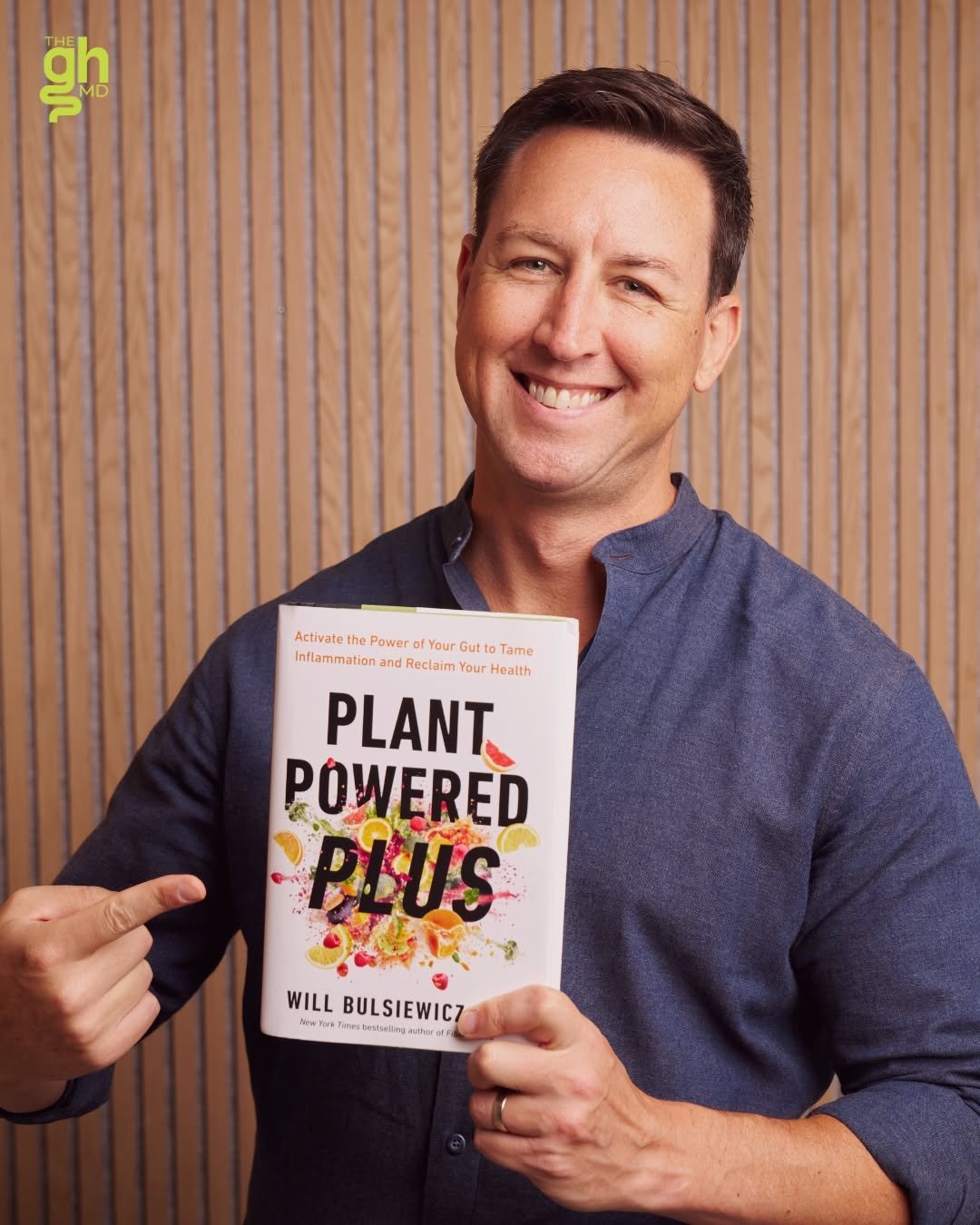
⚡️HUGE NEWS!!!⚡️ For the past 3 years, I've been GRINDING on a top secret 🤫 project that very few people knew about -- until now. Drumroll please....🥁🥁 Introducing my new book: PLANT POWERED PLUS For the first time, you will see and understand INFLAMMATION. You will realize how wide spread this is, contributing to 100+ health conditions. And MOST IMPORTANTLY, you will have a plan to fix it. It turns out that the solution lies deep inside of us... IN THE GUT. Perhaps surprising, but our gut and immune system are so closely linked, that the best way to reduce inflammation is to heal the gut. In Plant Powered Plus, you'll be orienting through the gut-immune connection to reclaim your health, fight inflammation, and supercharge your immune system by healing your gut. Released on Jan 13, together we're going to make 2026 a turning point in our fight against inflammation. PREORDER NOW! PS - Support local bookstores! You can get a SIGNED COPY from my local shop -- Blue Bicycle (@bluebicyclebooks) -- for the same price. (link in bio). You'll also notice I have a new website!
The cyclospora outbreak has spawned a lot of bad advice. As a gastroenterologist, let me set the record straight. First, the calming part: no food has been confirmed as the source — investigators are looking hardest at salad greens, but nothing’s confirmed. Swearing off all fresh produce does more harm than good. Most healthy people recover on their own, though it can linger for weeks and even relapse; treatment mainly shortens it and heads off relapse. Now the myths. Oregano oil, grapefruit seed extract, and “parasite cleanses” have no reliable human evidence against this parasite. There’s no supplement shortcut. Washing helps and is worth doing, but no rinse — plain, vinegar, ozone, or peroxide — completely removes cyclospora, because it clings and resists sanitizing. Freezing lowers the load but doesn’t reliably kill it either. Thorough cooking (~158°F) is the safest. The question I got most: what if you’re allergic to Bactrim? You’re not stuck. Nitazoxanide (Alinia, 500 mg twice daily for 7 days) is the alternative typically used for sulfa-allergic patients —though it’s a decision to make with your doctor. And no, this isn’t the new Ozempic. To everyone who saw “weight loss” and perked up: there are better ways, I promise. Save this for your next grocery run, and send it to the one person still eating bagged salad like nothing’s happening. Cooking your greens this week, or risk it for the biscuit? Tell me below. 👇 Follow @theguthealthmd for gut science you can trust. Not medical advice — see your clinician if you’re ill.
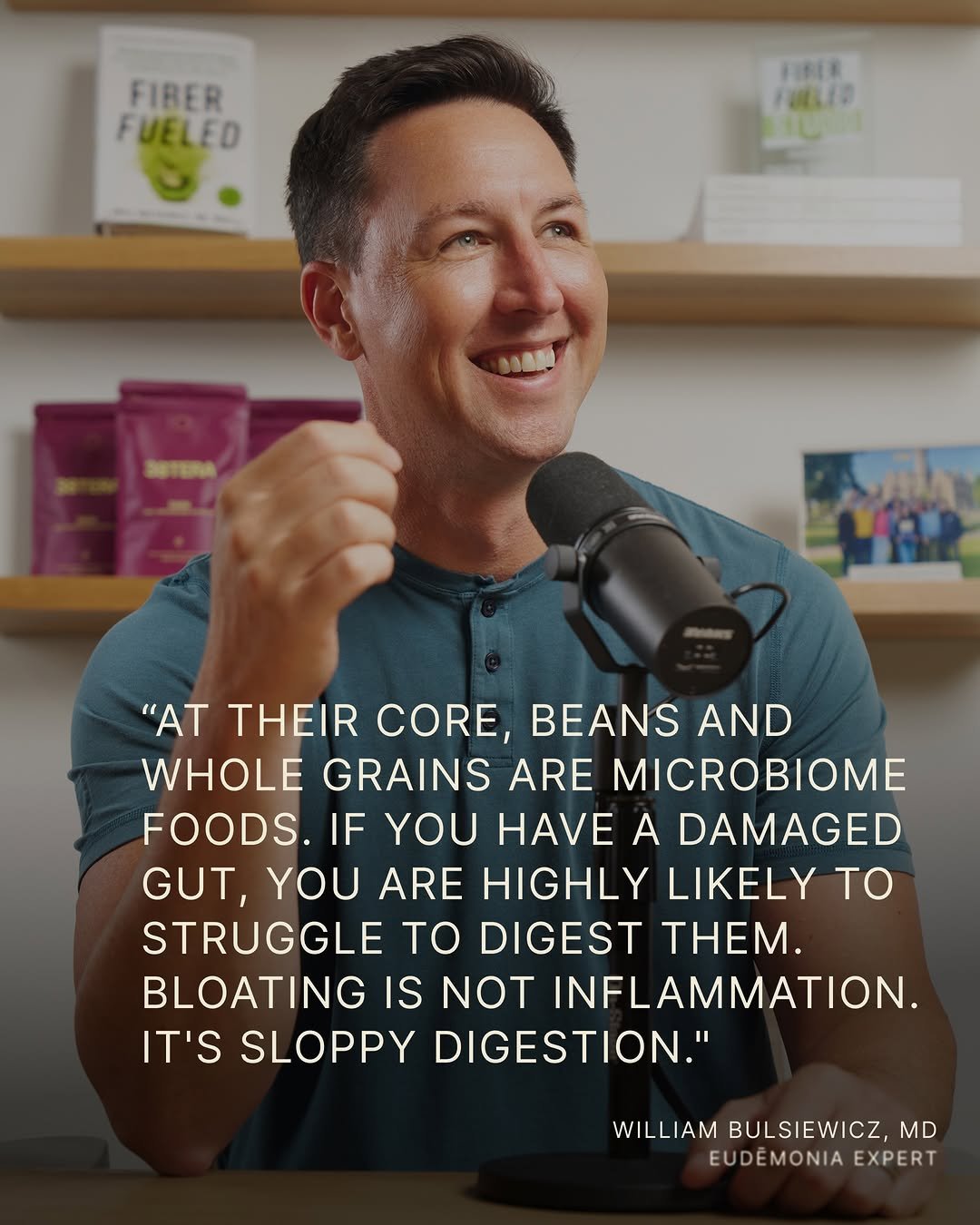
I’m honored to share that I’ll be presenting at Eudēmonia Summit—the summit that’s quickly become one of the most important gatherings featuring the preeminent evidence-based health and wellness leaders of our time. If you haven’t come across it yet, Eudēmonia is where performance meets philosophy, and science meets soul. More than a conference, this is a convergence of bold ideas and pioneering voices. This year I’ll join an incredible lineup of distinguished doctors, researchers, and health advocates. Eudēmonia’s stages host the people who have been leading their fields for years, and who are shaping the future of evidence-based well-being. Taking place November 5-8 in West Palm Beach, Eudēmonia blends world-class conversations with immersive wellness experiences—breathwork, cold therapy, cryo, PEMF, resistance training, and more. Beyond the many lecture halls and movement studios, this is where you’ll also find the EXPOSŌME—a hands-on showcase featuring top brands in personalized medicine, wellness tech, functional nutrition, and beyond. Expect live demos, book signings, and the chance to engage with some of the most innovative voices in health today. This is where health and well-being come together. This is Eudēmonia.
A big cyclospora outbreak is spreading right now. As a gastroenterologist, let me break this down for you. It’s a parasite from contaminated produce (leading suspect: salad greens, not yet confirmed). It causes watery diarrhea that can drag on for weeks. Unfortunately, washing won’t reliably remove it — heat is what kills it. It’s treatable, but standard stool tests can miss it, so if you’re sick, ask for the cyclospora test by name. If you want to enjoy a salad, you can still do that. See slide 7. Send this to your bagged salad person, and follow @theguthealthmd for evidence-based gut science you can trust. This is general education, not medical advice. If you’re sick, see your clinician.
Your child’s gut is connected to their mood, their immune system, and even their skin. In this episode, I sit down with Dr. Will Bulsiewicz @theguthealthmd, award-winning gastroenterologist, gut health expert, and New York Times bestselling author of Fiber Fueled and Plant Powered Plus. Together we unpack the science of the pediatric microbiome, including how it is built, what disrupts it, and why fiber is the most underrated nutrient in your child’s diet. You will learn how to spot the signs of poor gut health in your kids, what different types of gas and stool actually mean, and which simple whole foods can make a real difference starting today. Comment “DMPODCAST” below, and I’ll send you the link to listen right now 💚🍃

Dr Will Bulsiewicz’s top tip for living a healthier life? Get outside in the mornings 🌅🌞😊
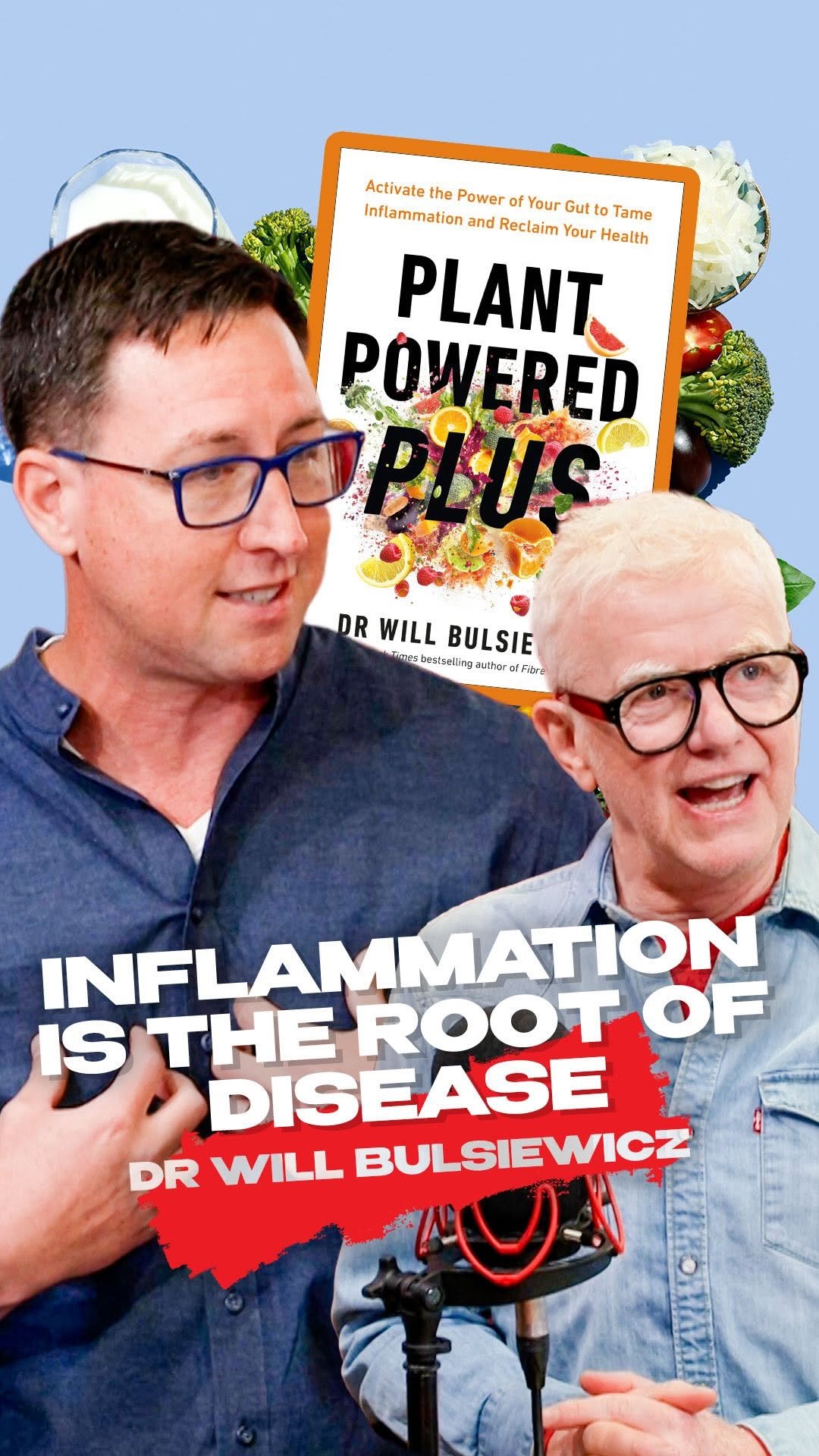
Apparently, Chris Evans is less than 50% human! 😳🥗🩻 Dr Will Bulsiewicz’s new book ‘Plant Powered Plus’ is out now 📖📻🎧
Everyone wants to reduce inflammation. But what if we’ve been asking the wrong question? Is inflammation always bad? What actually causes it? And why do some people seem to struggle with it more than others? In this clip from my latest podcast, New York Times best selling author and gastroenterologist Dr. Will Bulsiewicz explains what inflammation is, where it comes from and what we should be paying attention to. Listen anywhere you stream your podcasts or watch over on YouTube. Comment podcast for the link! #movedaily #menopausefitness #tracysteen #fitover50women #guthealth
Today on the podcast, I’m joined by Dr. Will Bulsiewicz, board-certified gastroenterologist, internationally recognized gut health expert, and New York Times bestselling author of Fiber Fueled, and brand new book, Plant Powered Plus. Dr. B has helped millions better understand the powerful connection between the gut microbiome, inflammation, digestion, and overall health. In this conversation, we’re diving into what happens to our gut in midlife and menopause, the truth about fiber, bloating, constipation, IBS, inflammation, and the simple habits that can help us build a healthier gut for the long term. If you’ve ever wondered whether your gut health is affecting how you feel, this episode is for you. Linked in my profile at the top of the page, or in my stories today. Or, comment “Podcast” and I’ll dm you! #menopausefitness #movedaily #fitover50women #guthealth #guthealthmatters
Comment MASTERCLASS and I’ll send you the link. Kickoff Party live Monday June 1 at 4pm ET. Disease doesn’t start the day it gets a name. The body has been signaling for years. Here are six warnings — every claim is from PubMed: → Lupus — antibodies 9.4 years before diagnosis (Arbuckle, NEJM 2003, PMID 14561795) → RA — antibodies 13.8 years before joint pain (Nielen, Arthritis Rheum 2004, PMID 14872479) → Type 1 diabetes — 2+ islet antibodies → 70% in 10 years (Ziegler, JAMA 2013, PMID 23780460) → Parkinson’s — constipation precedes diagnosis by an average of 12 years (Abbott, Neurology 2001, PMID 11502913) → Atherosclerosis — present in every teen aorta autopsied (Strong, JAMA 1999, PMID 10052443) → Colon cancer — polyps grow 10+ years before turning cancer (Stryker, Gastroenterology 1987, PMID 3653628) The key is to get upstream of it, before it gets to the point of being a problem. Three general moves work for almost everyone: 30 plants a week, 7+ hours of sleep, and regular exercise. But in a perfect world, we should each have an anti-inflammatory life plan that’s designed for our unique needs, activates the levers that make a difference, and is evidence-based. That’s why I built the Anti-Inflammatory Masterclass. It’s my first new masterclass in six years. It’s a 6-week program (plus a bonus week) organized around 7 inflammation phenotypes, the different patterns of how inflammation shows up in different bodies. You’ll identify yours, learn the science behind it, and build the anti-inflammatory plan that matches. What’s inside: daily lessons, patient case studies, journal clubs, phenotype deep dives, 30 recipes, live Q&As with me, weekly workbooks, and a private community walking alongside you. We kick off live this Monday, June 1 at 4pm ET — the Kickoff Party. If you’ve been waiting for the right moment, this is it. Comment MASTERCLASS and I’ll send you the link.
Take it from two medical doctors and gut health experts: protein and fibre are not competing with each other biologically. They do entirely different jobs. Protein is primarily absorbed in the small intestine, where it’s broken down into amino acids used to build muscle, enzymes, hormones and immune cells. Fibre largely bypasses that process altogether. Your body can’t digest most fibre, which is exactly why it’s so important. Instead, it travels down to the colon where trillions of gut microbes ferment it into compounds that help maintain your gut lining, regulate inflammation, influence appetite, and even communicate with your brain. If you eat large amounts of protein without enough fibre, some of that excess protein reaches the colon instead. Your microbes then ferment the protein rather than fibre, producing compounds like ammonia and hydrogen sulphide, which may negatively affect the gut environment over time. This is one reason why the healthiest long-term dietary patterns consistently include both adequate protein and plenty of diverse plant fibre. Protein for your human cells, and fibre for the trillions of microbial cells that live alongside them. If you want me and @theguthealthmd to tackle any other nutrition misinformation, let us know in the comments.
Comment WORKSHOP below and I’ll send you the link for my FREE inflammation workshop on May 26. There are SO MANY diets that claim to be the “best anti-inflammatory diet.” Mediterranean. Low-FODMAP. Autoimmune protocol. Plant-based. Paleo. But here’s the reality: None of them work for everyone. It doesn’t mean the diets have no value. It just means that we aren’t applying the right one to the right person. The thing that triggers inflammation in your body isn’t necessarily the thing triggering inflammation in someone else’s body. I’ve watched patients try the Mediterranean diet and thrive. I’ve watched other patients try the same diet and feel worse. Same diet. Same health goal. Two totally different results. I wish it weren’t the case, but it’s true. The difference isn’t willpower. It isn’t bad luck. It’s the personalization piece. Inflammation has a pattern— and that pattern is specific to YOU. Once you can see your pattern, things become more clear. You understand your story, how you got here. And you have better vision to what comes next. I’m walking through exactly that in my free workshop on Tuesday, May 26. Comment WORKSHOP below and I’ll send you the link.