인기 검색 계정






























Tim Spector MSC FRCP MD FRSB OBE(@tim.spector) 인스타그램 상세 프로필 분석: 팔로워 772,317, 참여율 0.45%

@tim.spector
인증됨Tim Spector MSC FRCP MD FRSB OBE
One of the world’s top 100 most-cited scientists Scientific co-founder @zoe Professor @lifeatkings Bestselling author Microbiome expert
https://linktr.ee/tim.spector@tim.spector님과 연관된 프로필

drsarahberry

theguthealthdoctor

doctors_kitchen

deliciouslyella

glucosegoddess

emthenutritionist

dr.fede.amati

doctorchrisvt
@tim.spector 계정 통계 차트
게시물 타입 분포
시간대별 활동 분석 (최근 게시물 기준)
@tim.spector 최근 게시물 상세 분석
동영상 게시물 분석
여러 장 게시물 분석
@tim.spector 최근 게시물
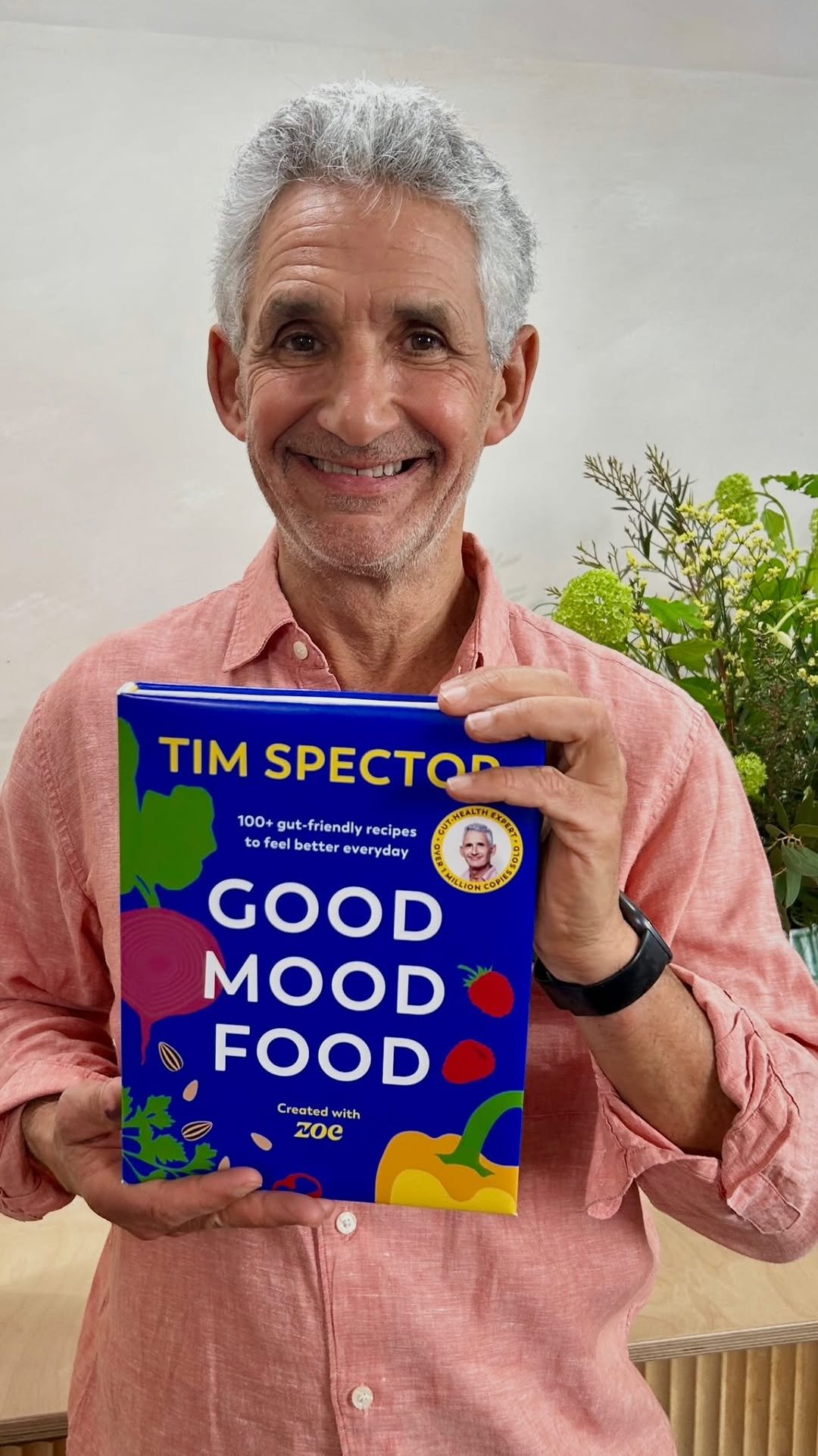
I’m very excited to finally share the cover of my new cookbook, Good Mood Food, and take you behind the scenes of our shoot. Being the taste-tester for all of these wonderful dishes is a tough job, but somebody has to do it! Along with @dr.fede.amati, @kathryn_bruton, and a talented bunch of chefs, we shot over 100 recipes for my upcoming cookbook, with plenty of time to eat along the way. The idea behind the book is very personal to me, and grounded in the latest science. Food that genuinely lifts your mood; not just because it’s delicious, but because it supports your gut microbes which we now know play a key role in how we feel. These recipes are designed to bring real pleasure to the table while also nourishing your gut and brain health. You’ll find plenty of plants, fibre, fermented foods, and healthy fats throughout. From comforting pastas to simple sweet treats, feast-worthy showstoppers, energising lunches, a perfect pavlova, and my favourite (and very nostalgic) fish pie, this is truly Good Mood Food. I can’t wait to hear what you think of these recipes. The link to pre-order is in my bio, or you can search ‘Good Mood Food cookbook’. As always, thank you so much for your support.

We’ve been told that sugar causes diabetes, feeds cancer, makes children hyperactive, damages our gut health, and drives inflammation. We’ve also been told our brains run on sugar, athletes need it for energy, and fruit is one of the healthiest foods we can eat. Despite being one of the most studied substances in nutrition, sugar is still veiled in confusion, contradiction, and controversy. Some experts believe it’s at the heart of the biggest health challenges of our time. Others argue it’s been unfairly demonized. @tim.spector is one of the world’s top 100 most-cited scientists and scientific cofounder of @zoe. @drsarahberry is Professor of Nutrition at King’s College London, Chief Scientist at @zoe, and led the world’s largest study into how our blood sugar responds to food. Together, they reveal: - Why some of the healthiest foods you can eat are packed with sugar - The hidden sources of sugar most people overlook - What happens in your body in the hours after eating something sweet - Why cutting out sugar completely may not be the answer - And how to enjoy sweet foods without compromising your health By the end, you’ll know which sugars deserve a place on your plate, and how to make sense of the conflicting advice once and for all. Click the link in our bio to listen now, watch it on our YouTube, or search ZOE Science & Nutrition wherever you listen to podcasts. 🎙️
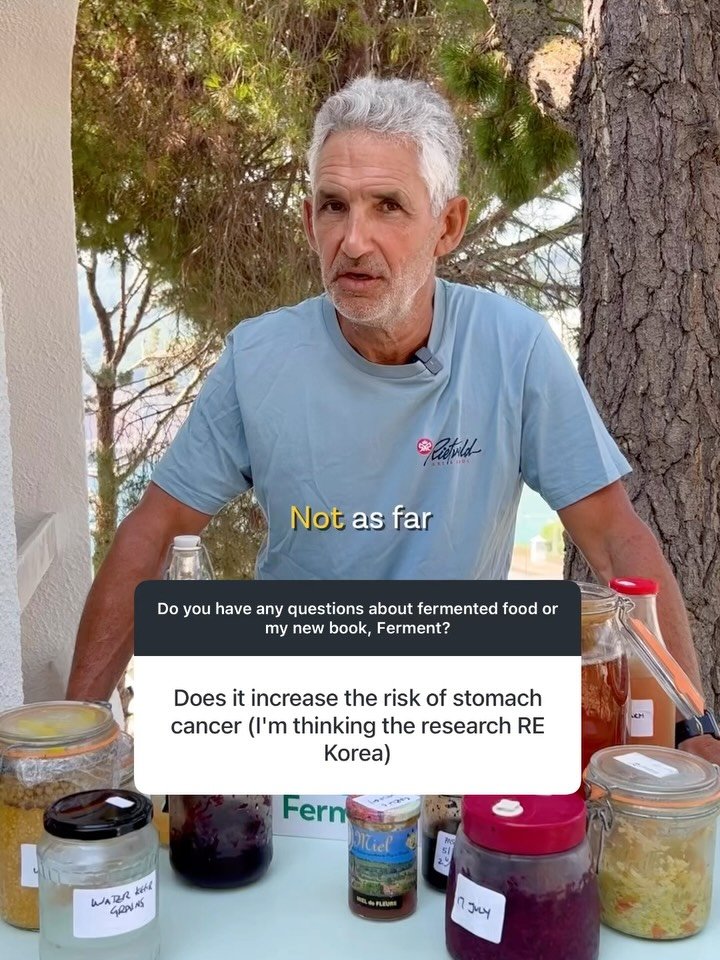
Ever since I started sharing more of my favourite fermenting recipes with you, you’ve had lots of questions. So I thought I’d answer a few of the most common ones. There are still plenty of misconceptions about fermentation. Some people think it’s dangerous to do at home, others believe you can ferment without salt or sugar, and some claim that fermented foods are harmful to our health. Fermentation has been used safely for thousands of years to preserve food and transform its flavour. When you create the right conditions, beneficial microbes naturally outcompete harmful ones. That’s why ingredients like salt and sugar aren’t just there for taste, they’re an important part of creating the right environment for a successful ferment. The more you understand the process, the less mysterious fermentation becomes. I’ll answer a few more of your fermentation questions soon, so if there’s something you’d like me to cover, let me know below.

Carnivore diets, fibre, and meditation — @tim.spector knows a thing or two about gut health and here’s how he keeps his in check.
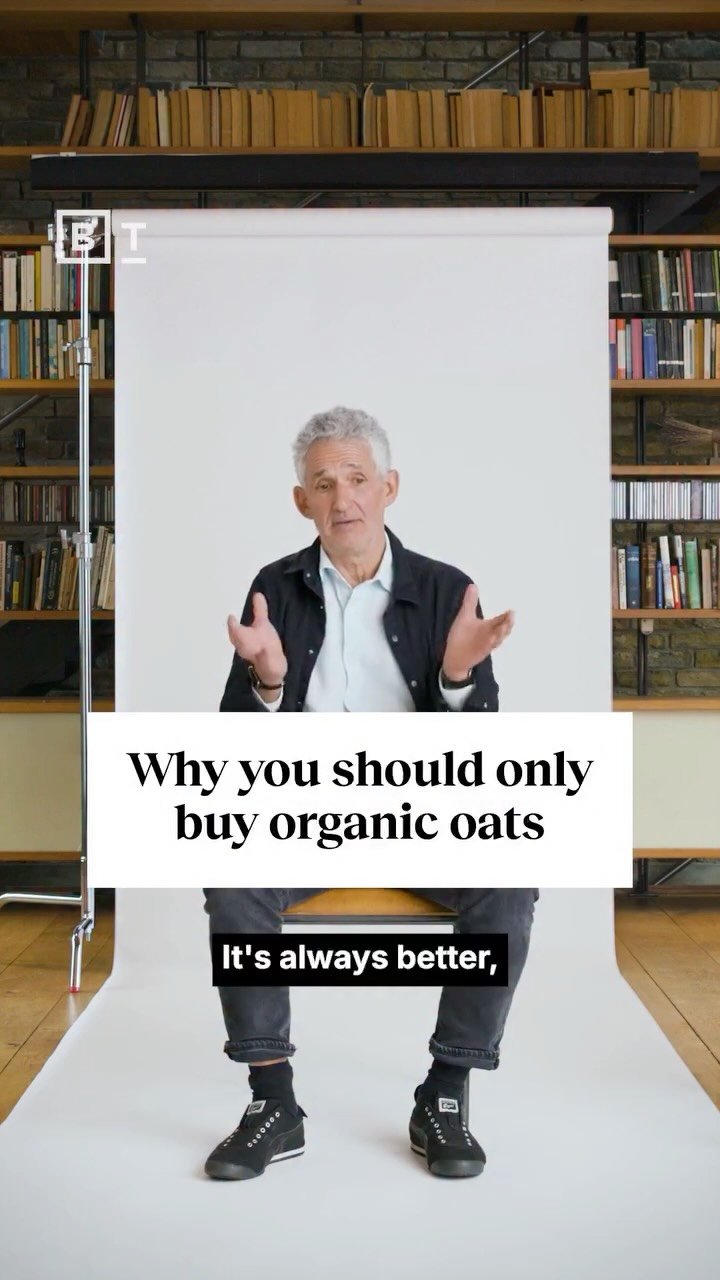
Why you should only buy organic oats | Tim Spector
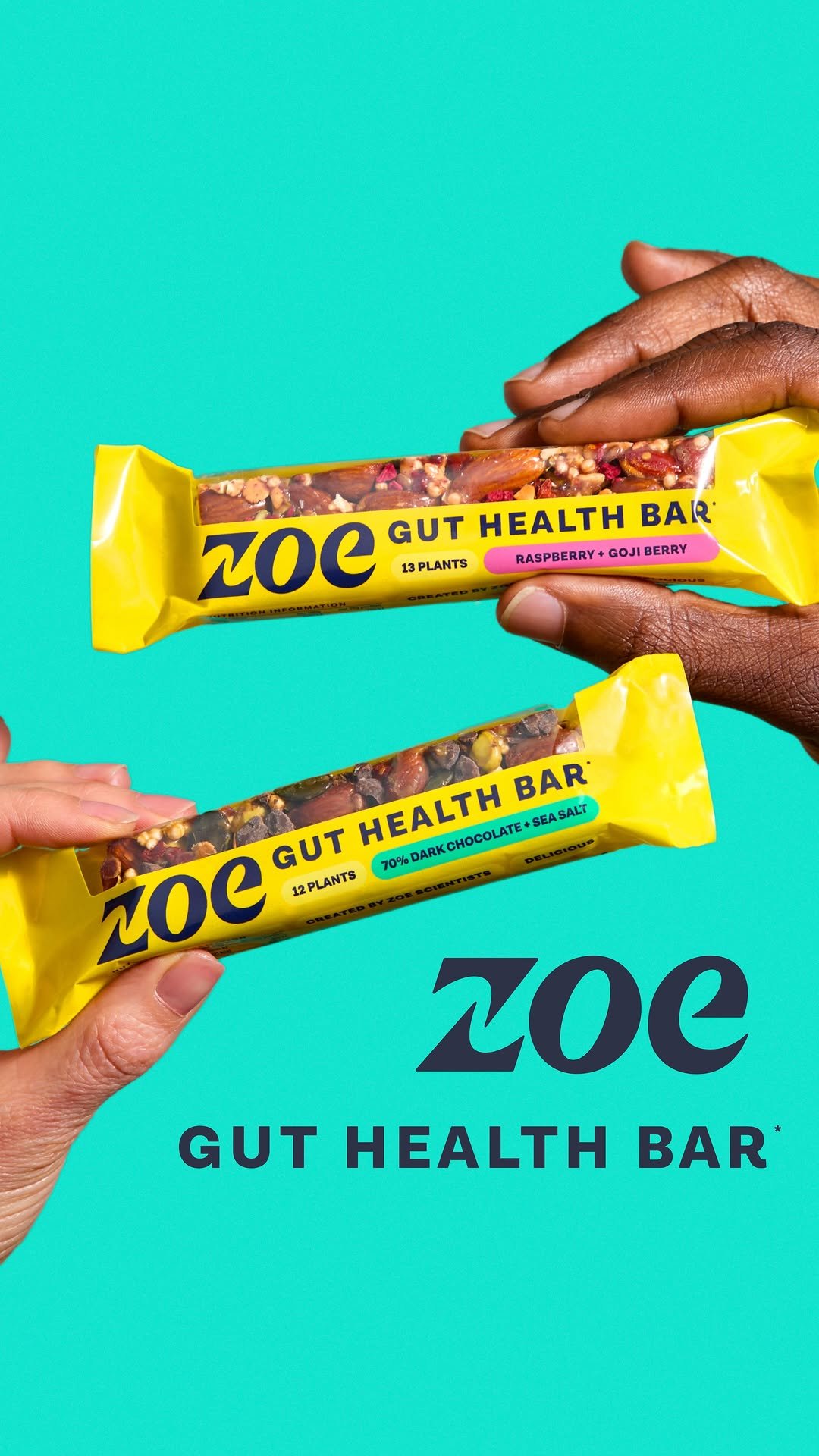
In the UK, 95% of us snack every day, yet most of what fills the snack aisle is ultra-processed and stripped of what our gut microbiome needs to thrive. Eating a wide diversity of plants and fibre is one of the most powerful things we can do for our health, but busy modern life doesn’t make it easy. That’s why we created the ZOE Gut Health Bar, our first snack bar designed by ZOE’s world-leading gut health scientists. Available in two delicious flavours, Dark Chocolate + Sea Salt and Raspberry + Goji Berry, each bar delivers 8g of fibre, 7g of plant protein, and over 10 plants selected to nourish your gut microbiome. We intentionally preserved the natural structure of as many plants as possible, slowing your eating rate and creating a chewy texture that’s designed to be savoured, not inhaled. No emulsifiers, artificial sweeteners, or shortcuts. Just real food, built on the science behind the world’s largest DNA microbiome database. Every time we eat is an opportunity to support our health, and snacks shouldn’t be the exception. Head to the link in our bio to get your Gut Health Bars. We can’t wait to hear what you think. 💛

I’ve always been fairly sporty but also fairly lazy. I would get by doing as little exercise as possible in my youth. When I developed quite bad back pain in my thirties, I realised I needed to do more regular sport, but, even then, it was a sporadic mix of squash, tennis and half-hour jogs in the park. It’s only in the last 15 years, after I had a mini stroke in my fifties, that I’ve taken exercise more seriously. Now, I do some form of it pretty much every day. Usually, it’s 30 minutes first thing in the morning, before breakfast, and I keep it varied. For the full guide, head to the link in @telegraphlifestyle's bio
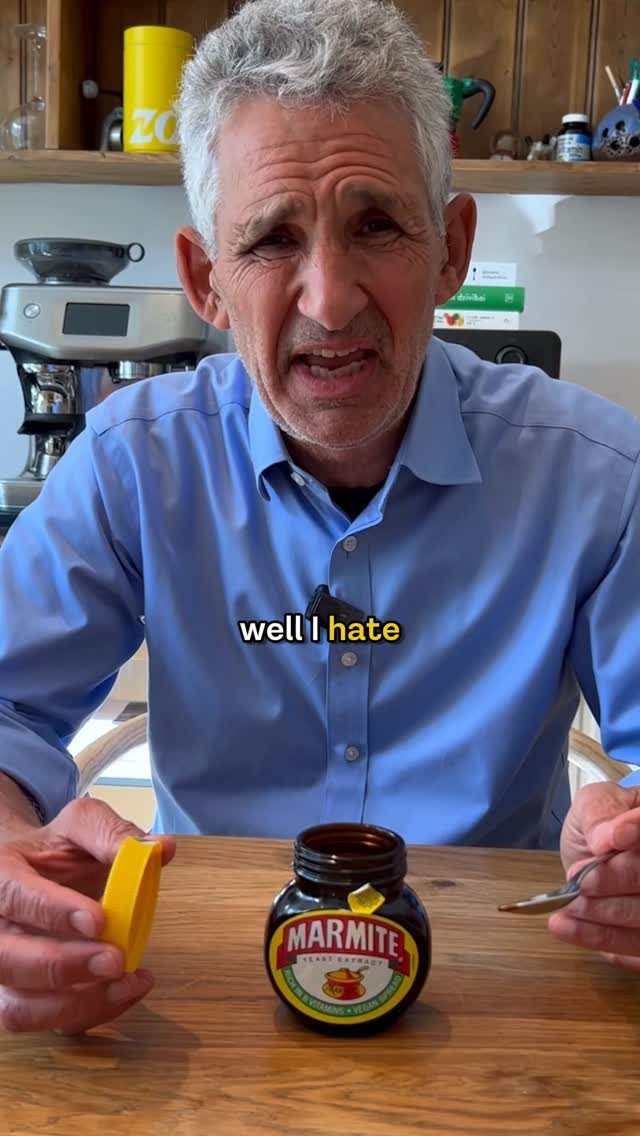
Marmite is one of those foods that divides people completely. You either love it or you hate it. What many people don’t realise is that your opinion may be partly influenced by your genes. More than 20 years ago, my colleagues and I studied thousands of twins and found that identical twins were much more likely than non-identical twins to agree on whether they liked Marmite. That tells us our DNA plays a role in how we experience certain tastes, but it isn’t the whole story. Early exposure to different foods is also an important part of developing our food preferences. Marmite is also an interesting fermented food. It’s made from brewer’s yeast left over from the beer-making process, so it begins life as a by-product of fermentation. By the time it reaches your toast, however, the yeast has been heated and is no longer alive, so it isn’t a probiotic. It is, however, naturally rich in B vitamins, including B12, along with a range of compounds produced during fermentation. One small study even found that eating a teaspoon of Marmite every day for a month reduced brain responses associated with stress by around 30% (PMID: 28376309). It’s an intriguing finding, although much larger studies are needed before we can draw conclusions. I explore fascinating fermented foods like Marmite in my book, Ferment, if you’d like to learn more. One final question for you. Are you Team Marmite, Team Vegemite, or neither?
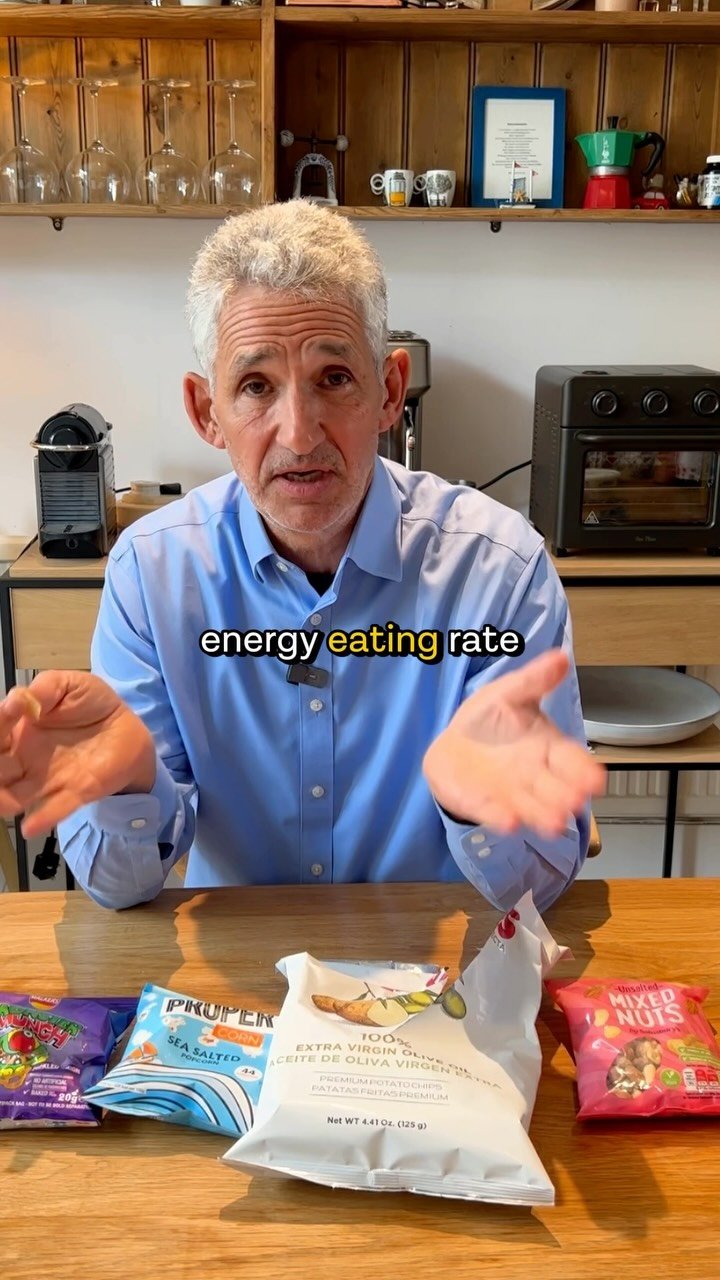
One of the biggest changes in our modern diet isn’t just what we eat, but how quickly we can eat it. This is called the energy intake rate: how quickly you can consume energy from a food. Your body has complex systems that help regulate hunger and fullness, but these signals take time. When food is eaten very quickly, it is easier to consume more energy before your body has a chance to respond. This is where the structure of food becomes important. Every food has a ‘food matrix’, the natural structure of fibre, protein, fat and water that determines how nutrients are packaged and released. Take nuts as an example. A whole nut is a complex plant structure. It needs to be chewed and broken down during digestion, which changes how quickly we consume and process the nutrients inside. Compare that with a snack made from finely ground nut powders, added sugars and refined ingredients. The original structure has been altered, making it much easier to consume quickly. So when choosing snacks, look for foods that still resemble their original ingredients. Nuts, seeds, fruit, vegetables and minimally processed foods tend to retain more of their natural structure. I hope this is useful the next time you think about what to snack on. If there’s another topic you’d like me to explore, let me know in the comments.
Your gut hates elimination diets | Tim Spector
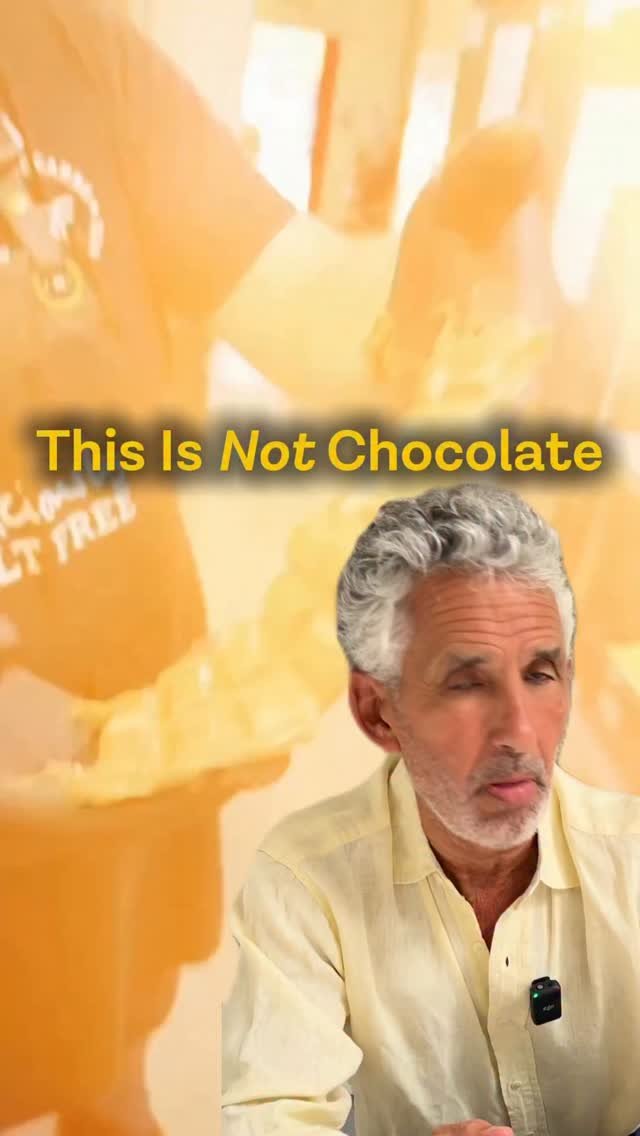
It’s a sad day when chocolate can no longer be called chocolate. A number of familiar chocolate products have recently been reformulated and are now labelled “chocolate flavour” rather than chocolate because they no longer contain enough cocoa to meet the legal definition. But this is about more than a name, chocolate is not just a flavour. The reason cocoa is such an interesting food is because it contains thousands of plant compounds, including flavanols and polyphenols that have been linked to effects on blood flow, cardiovascular health and the gut microbiome. It also provides minerals such as magnesium and iron. When cocoa is replaced with cheaper ingredients like vegetable fats, refined sugars and flavourings, the result may look and taste similar, but it is a very different food. This reflects a wider change in our food system. As ingredients become more expensive, manufacturers often reformulate products to reduce costs while keeping the packaging and branding familiar. So how do you choose better chocolate? Start by turning the packet over. Look for cocoa mass or cocoa solids high on the ingredient list, rather than sugar or added fats. As a general rule, I recommend choosing dark chocolate with at least 70% cocoa. The higher cocoa content usually means more of the naturally occurring compounds from the cocoa bean and less room for added sugar. I personally think chocolate is one of life’s great pleasures. Just make sure you’re getting the real thing.

One of my favourite parts of travelling is discovering foods I would never encounter at home. During my trip to Japan earlier this year, I made it my mission to try as many different dishes as possible, and many of the things I ate were completely unfamiliar. There were unusual mushrooms, different types of seaweed, seasonal vegetables, fermented foods and ingredients I couldn’t always identify, even with help from local guides. Japanese cuisine has a long tradition of transforming simple foods through careful preparation, whether that’s fermentation, pickling or combining many different ingredients together in one meal. I particularly loved the traditional breakfasts, which often included a wide range of small dishes. Miso soup, vegetables, fish, pickles and my favourite, natto, fermented soybeans with a strong, pungent flavour and a texture that divides opinion. Personally, I think you should try it! Another highlight was okonomiyaki, a Japanese savoury pancake made with a mixture of cabbage, batter and a variety of toppings. It was delicious, great fun to eat with friends, and the sort of food experience I could easily see catching on in the UK. One of the things I found most interesting about Japan was not just the food itself, but the wider food environment around it. The way people access and interact with food was very different from what we’re used to in the UK. I’ll share more about that in another post. Swipe to the end for one of my favourite moments from the trip.