인기 검색 계정






























Sarah Berry(@drsarahberry) 인스타그램 상세 프로필 분석: 팔로워 89,042, 참여율 2.74%

@drsarahberry
인증됨Sarah Berry
20+ years of nutrition research Research active scientist Professor @kingscollege.london Chief Scientist @zoe Advocate for eating what you enjoy!
https://www.tiktok.com/@prof.sarah.berry?_r=1&_t=ZN-94tmvjzZpSg@drsarahberry님과 연관된 프로필

doctors_kitchen

menopause.dietitian

zoe

dr.fede.amati

nutrition.lifestyle.medicine

tim.spector
@drsarahberry 계정 통계 차트
게시물 타입 분포
시간대별 활동 분석 (최근 게시물 기준)
@drsarahberry 최근 게시물 상세 분석
이미지 게시물 분석
동영상 게시물 분석
여러 장 게시물 분석
@drsarahberry 최근 게시물
ZOE’s Chief Scientist @drsarahberry is helping lead Team PROSPECT in investigating the sharp rise in early-onset bowel cancer. Cases of colorectal cancer in adults under 50 are increasing — but known risk factors like smoking, alcohol, and obesity don’t fully explain why. Along with ZOE scientists and @tim.spector, Professor Berry and the PROSPECT team are working to uncover the underlying causes and pioneer new ways to assess and reduce risk. Watch ‘Cancer Under 50: Searching for Answers’ tonight at 8:30pm GMT on ITV1 and ITVX, and follow along as Team PROSPECT continues the search for answers.
There’s so much ‘nutri-bollocks’ about the health effects of seed oils. This is despite the evidence showing that they are associated with favourable health measures. Why all the misinformation? Why all the confusion? Why all the interest? For a full hour of debunking seed oil myths listen to my seed oil podcast @zoe https://podcasts.apple.com/gb/podcast/zoe-science-nutrition/id1611216298?i=1000669285006
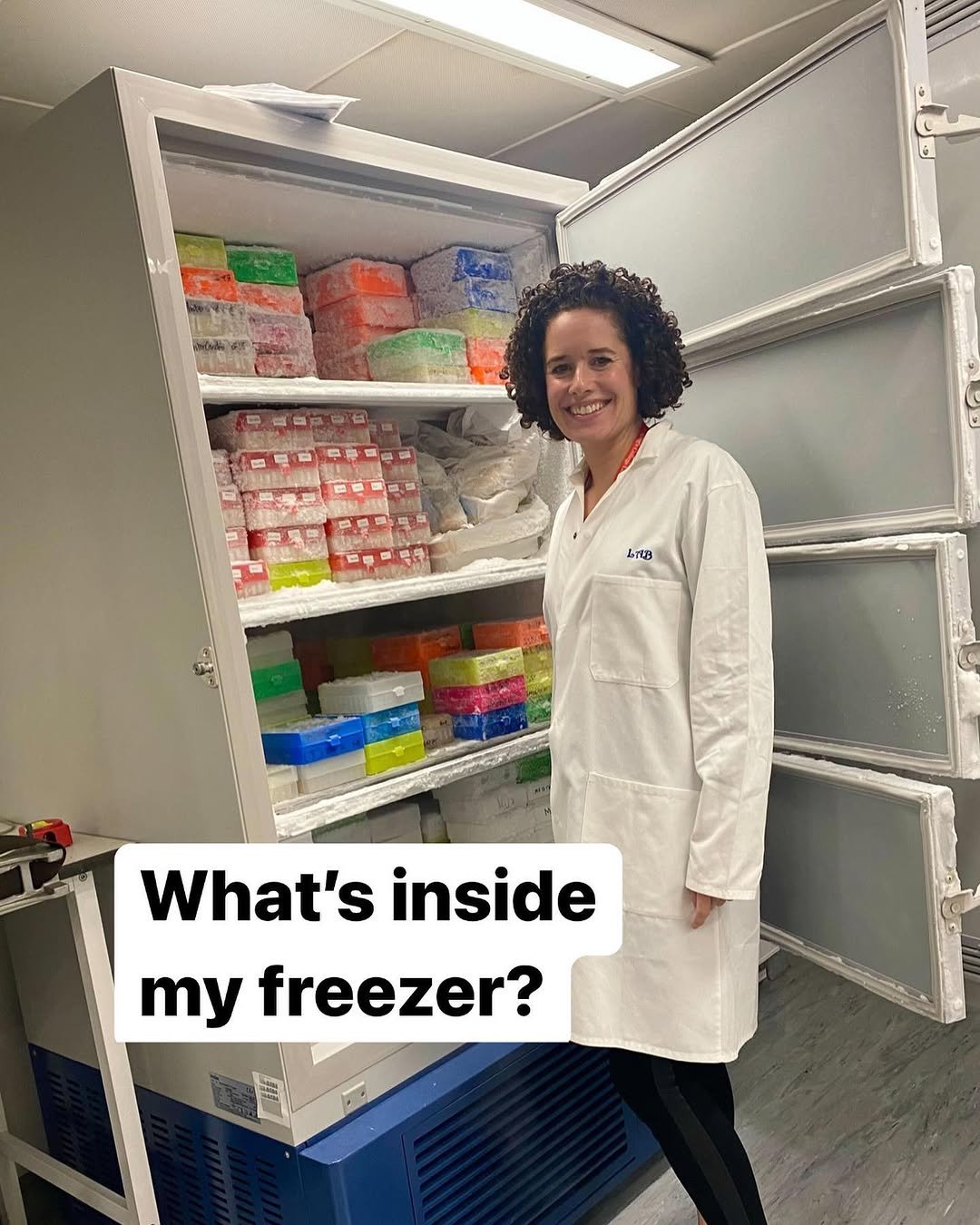
Someone recently asked me what my most prized possession was, and I reckon it has to be my freezer. But this isn’t just any freezer, it’s my freezer at Kings College London that holds 150,000 samples from over 20 years of running randomised controlled trials, and has helped us understand some of nutrition's most confusing topics. Here are just some of my favourite discoveries that lie within it: 1. Different people (including twins!) respond differently to the exact same food (PMID: 32528151). 2. The structure (matrix) of food impacts our health in different ways. Foods with the same nutrients but different structures can have different effects on post-meal blood glucose, fat, and inflammation (PMID: 33941996). E.g. whole almonds and ground almonds are two completely different foods inside our bodies (PMID: 18842777). 3. Replacing traditional snacks, like biscuits and crisps, with healthy snacks, like nuts, can improve blood vessel function, heart rate variability, and blood cholesterol levels (PMID: 32412597; 32575387). 4. It’s not just diet - lifestyle factors can also impact our responses to food e.g. poor-quality sleep can worsen our blood sugar response the following day (PMID: 34845532). 5. The type and structure of the fats we eat can impact our post-meal blood fat response (PMID: 27511058; 17556683). 6. Different types of oils rich in saturated or unsaturated fatty acids (eg tropical or seed oils) have different impacts on inflammation, gut peptides and blood lipids (PMID: 22030225; PMID: 25052227) Would you like me to go into more detail about this research? Let me know in the comments.
95% of us aren’t getting enough of one nutrient linked to lower risk of heart disease, dementia, and cancer: fiber. New research suggests it’s one of the most powerful tools we have for protecting long-term health, and this year, it’s finally getting the attention it deserves. @hughfearnleywhittingstall, bestselling author, chef, and founder of @rivercottagehq, sits down with @drsarahberry, Professor of Nutrition at King’s College London and Chief Scientist at ZOE, to talk all things fiber. In this episode of the ZOE Science & Nutrition podcast, they cover: - What low fiber intake does to your gut microbiome - Why eating more fiber doesn’t have to be expensive or complicated - What the science says about plant diversity - Is “fiber maxxing” the next big trend, or just a fad? - The 12 everyday ingredients Hugh thinks belong in every kitchen Link in bio, on YouTube, or listen on Spotify and Apple Podcasts. 🎙️

One nutrient is linked to a lower risk of heart disease, dementia, and cancer, yet 95% of us in the US and UK aren’t getting enough of it. This year, fiber is finally back in the spotlight, and new research suggests it may be one of the most powerful tools we have for protecting our long-term health. @hughfearnleywhittingstall is a bestselling author and chef who advocates for seasonal, local produce. Hugh is a household name in the UK, and his TV show River Cottage was instrumental in the UK’s organic food movement. Alongside Hugh is @drsarahberry, Professor of Nutrition at King’s College London and Chief Scientist at ZOE. Sarah is a world leader in large-scale human nutrition studies and an expert on metabolic health and the importance of food structure. Together, they uncover: - What happens to your gut microbiome when you don’t eat enough fiber - Why eating more fiber doesn’t have to be expensive or complicated - What the latest science says about why plant diversity matters - Whether “fiber maxxing” is the next big nutrition trend, or just another fad - And the 12 everyday ingredients Hugh believes deserve a place in your kitchen Click the link in our bio to listen now, watch it on our YouTube, or search ZOE Science & Nutrition wherever you listen to podcasts.🎙️
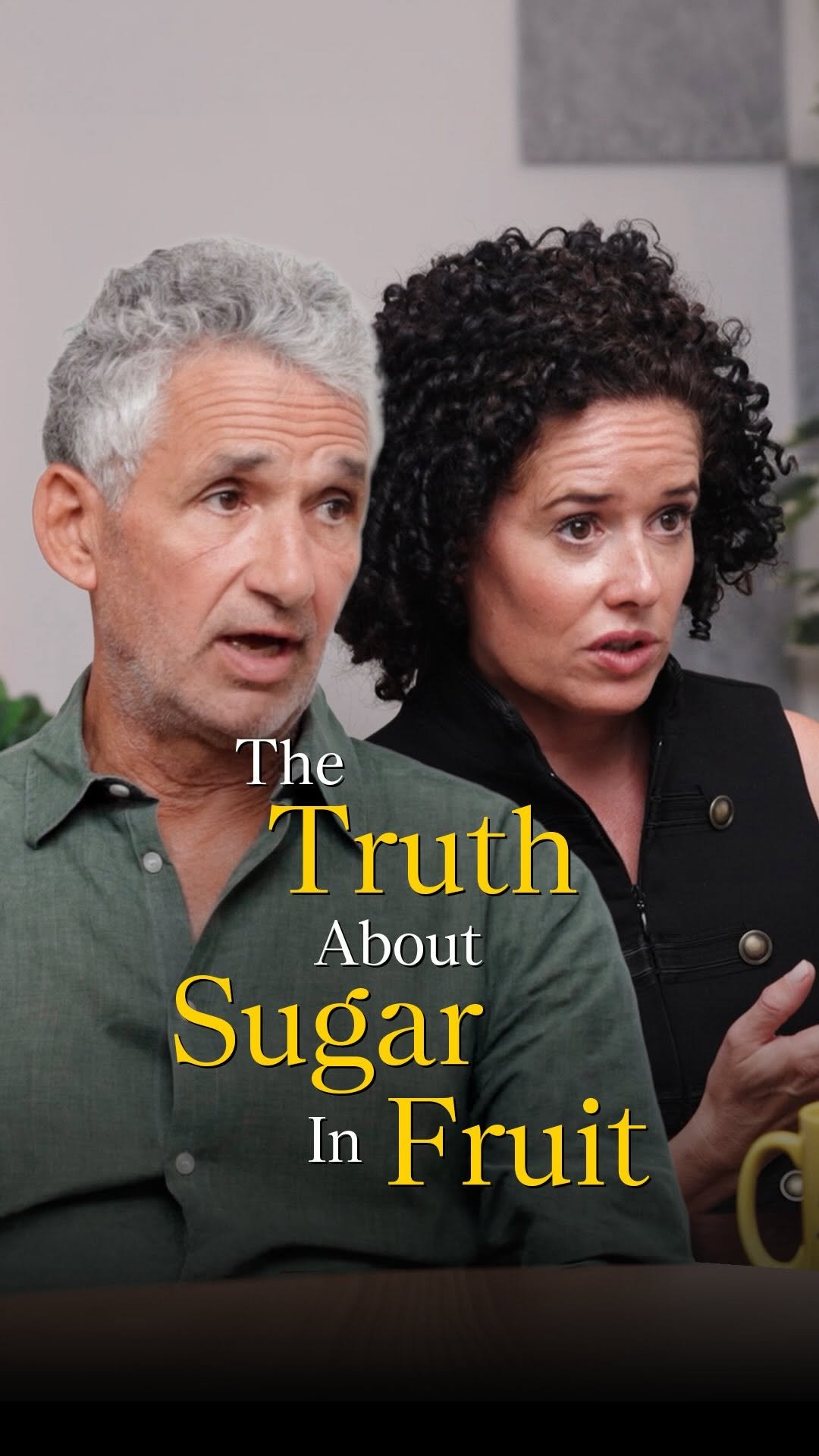
We’ve been told sugar causes diabetes, feeds cancer, and drives inflammation. But we’ve also been told our brains run on sugar, athletes need it for energy, and fruit is one of the healthiest foods we can eat. Some experts believe it’s at the heart of our biggest health challenges, while others argue it’s been unfairly demonized. So which one is it? @tim.spector is one of the world’s top 100 most-cited scientists and scientific cofounder of ZOE. @drsarahberry is Professor of Nutrition at King’s College London, Chief Scientist at ZOE, and led the world’s largest study into how our blood sugar responds to food. Together, they reveal: - Why some of the healthiest foods you can eat are packed with sugar - The hidden sources of sugar most people overlook - What happens in your body after eating something sweet - Why cutting out sugar completely may not be the answer - How to enjoy sweet foods without compromising your health Click the link in our bio to listen, watch on YouTube, or search ZOE Science & Nutrition wherever you listen to podcasts. 🎙️
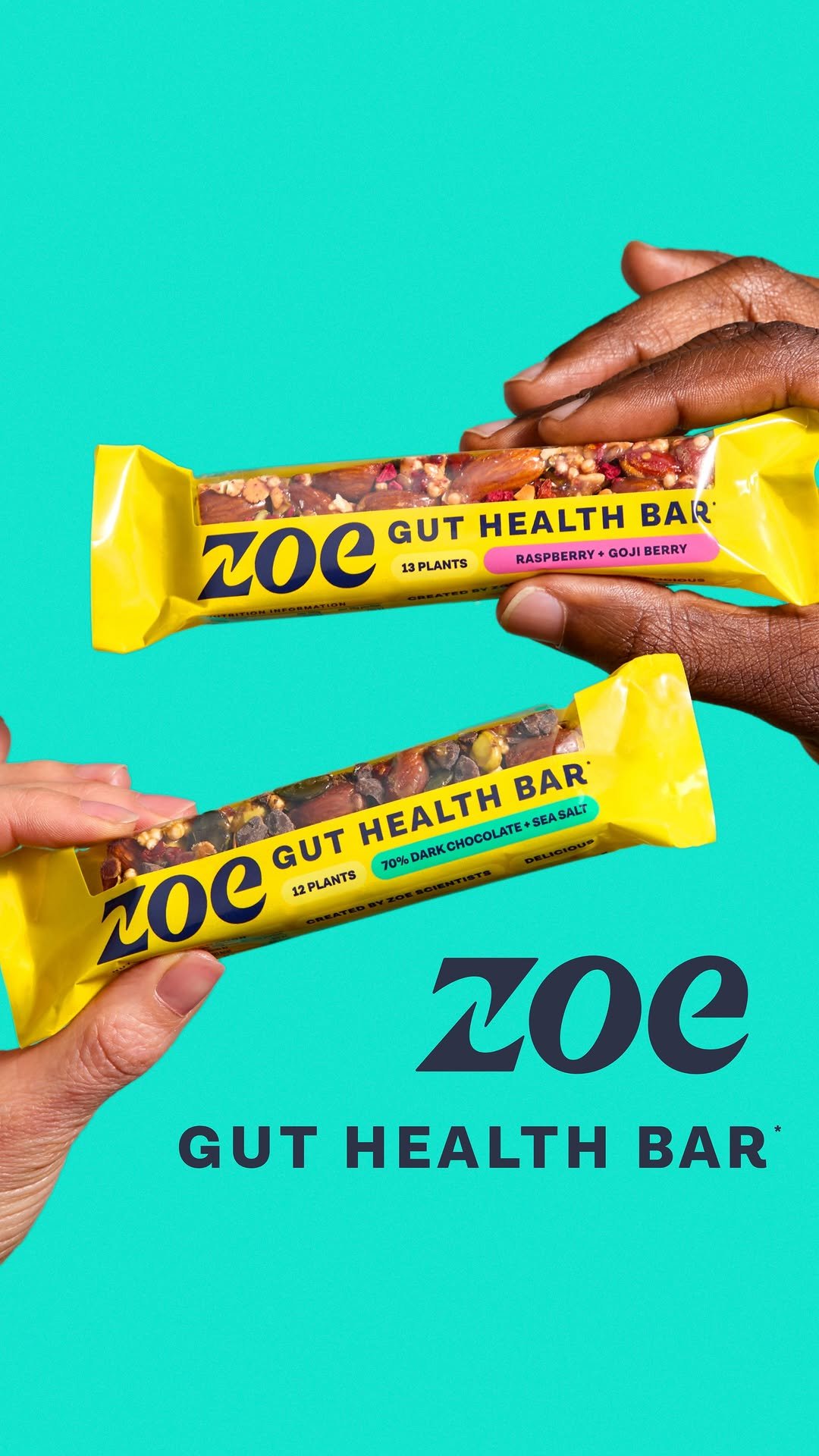
In the UK, 95% of us snack every day, yet most of what fills the snack aisle is ultra-processed and stripped of what our gut microbiome needs to thrive. Eating a wide diversity of plants and fibre is one of the most powerful things we can do for our health, but busy modern life doesn’t make it easy. That’s why we created the ZOE Gut Health Bar, our first snack bar designed by ZOE’s world-leading gut health scientists. Available in two delicious flavours, Dark Chocolate + Sea Salt and Raspberry + Goji Berry, each bar delivers 8g of fibre, 7g of plant protein, and over 10 plants selected to nourish your gut microbiome. We intentionally preserved the natural structure of as many plants as possible, slowing your eating rate and creating a chewy texture that’s designed to be savoured, not inhaled. No emulsifiers, artificial sweeteners, or shortcuts. Just real food, built on the science behind the world’s largest DNA microbiome database. Every time we eat is an opportunity to support our health, and snacks shouldn’t be the exception. Head to the link in our bio to get your Gut Health Bars. We can’t wait to hear what you think. 💛
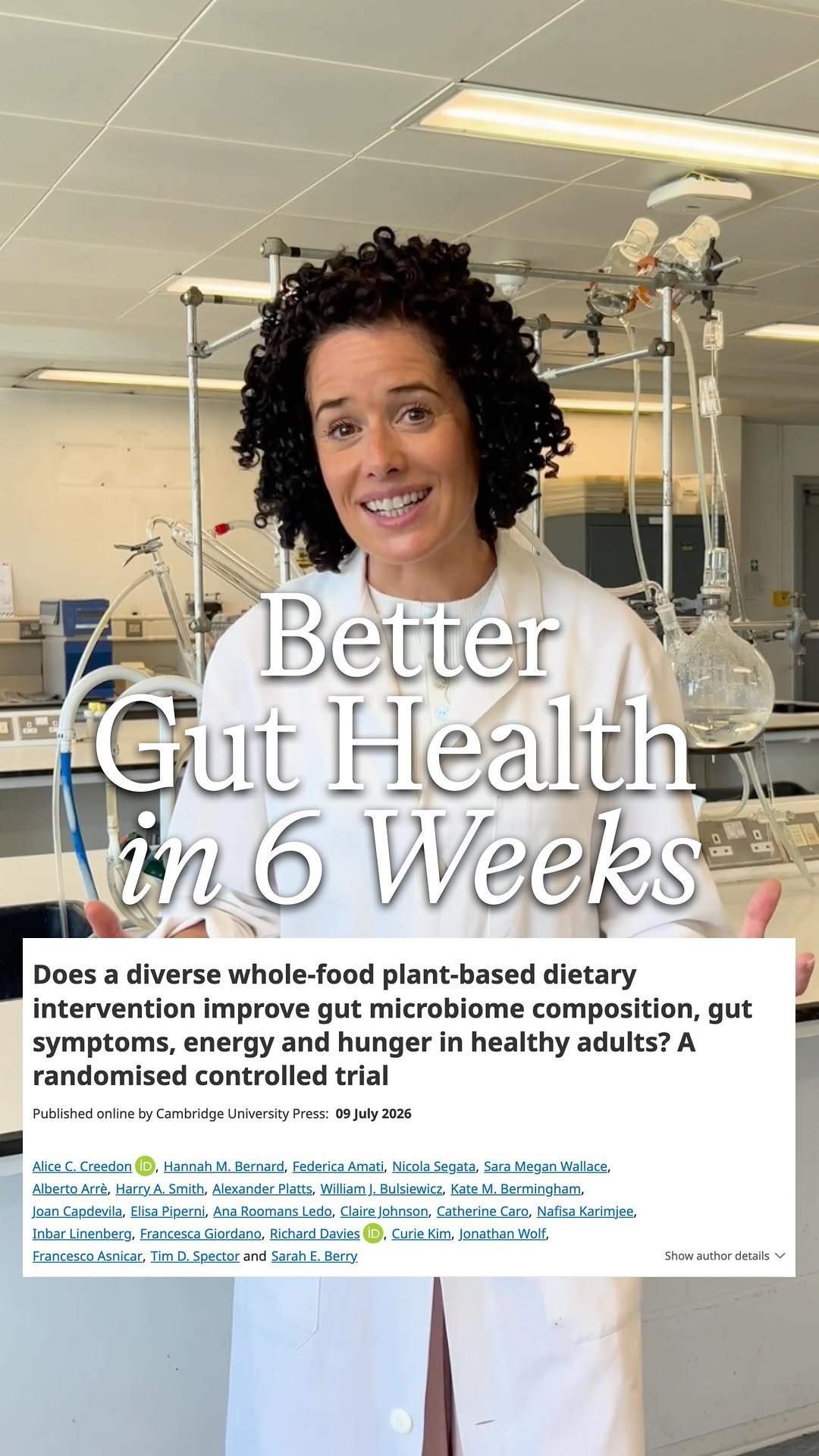
Improved energy, mood, hunger, and gut health. All in just 6 weeks. That’s what we found when we put Daily30 through a randomised controlled trial (RCT), the gold standard of scientific research, now published in the British Journal of Nutrition, one of the most respected, peer-reviewed journals in the field. For a science-first company, this is really important. Publication in a journal like this means the study and its methods have undergone independent scientific review. Led by ZOE’s Chief Scientist @drsarahberry, the RCT followed 349 adults over six weeks, testing Daily30 against a control group and a probiotic supplement. The results were compelling: 57 species changed in the Daily30 group, compared with 14 in the control and just 4 with the probiotic. On average, the bacteria that increased were linked to more favourable health markers. Importantly people felt the difference too. Participants reported more energy, better mood, and greater fullness after meals. These exciting findings add to the growing body of evidence that feeding your gut microbes a diverse range of plants and fiber supports gut health. We’re incredibly proud to share this research and continue turning world-leading science into simple tools that help people make better choices every day. Read the full study via the link in our bio. 💛
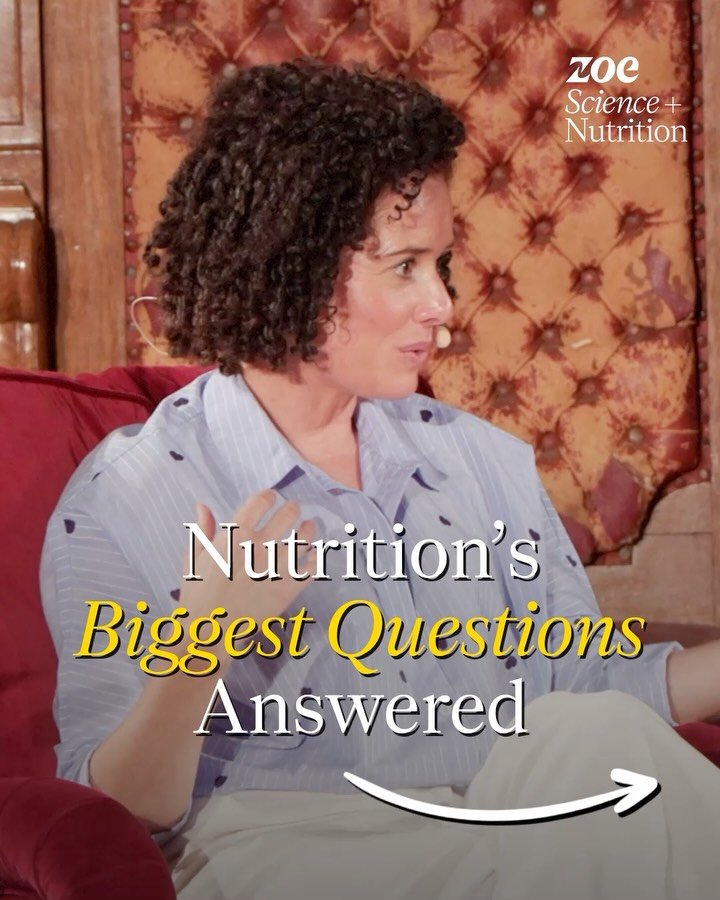
What happens when three of the world's leading nutrition experts answer questions from a live audience? This week, we recorded our first-ever live podcast in front of hundreds of ZOE investors, bringing together @tim.spector, @drsarahberry, and @dr.fede.amati for a conversation shaped entirely by audience questions. Covering everything from gut health and metabolism to dementia prevention and healthy ageing, the discussion went wherever the audience took it. Together, our scientists revealed: - How quickly changing your diet can affect your gut microbiome - What to do after a course of antibiotics - Whether snacking helps or harms your health - How to approach weight-loss medications - The top nutrition and health questions people are asking right now If you've ever listened to the podcast and wished you could ask your own question, this episode is the closest thing to being in the room. Click the link in our bio to listen now, watch it on our YouTube, or search ZOE Science & Nutrition wherever you listen to podcasts. 🎙️ And we'd love to know: should we do more live podcast recordings? Would you attend?
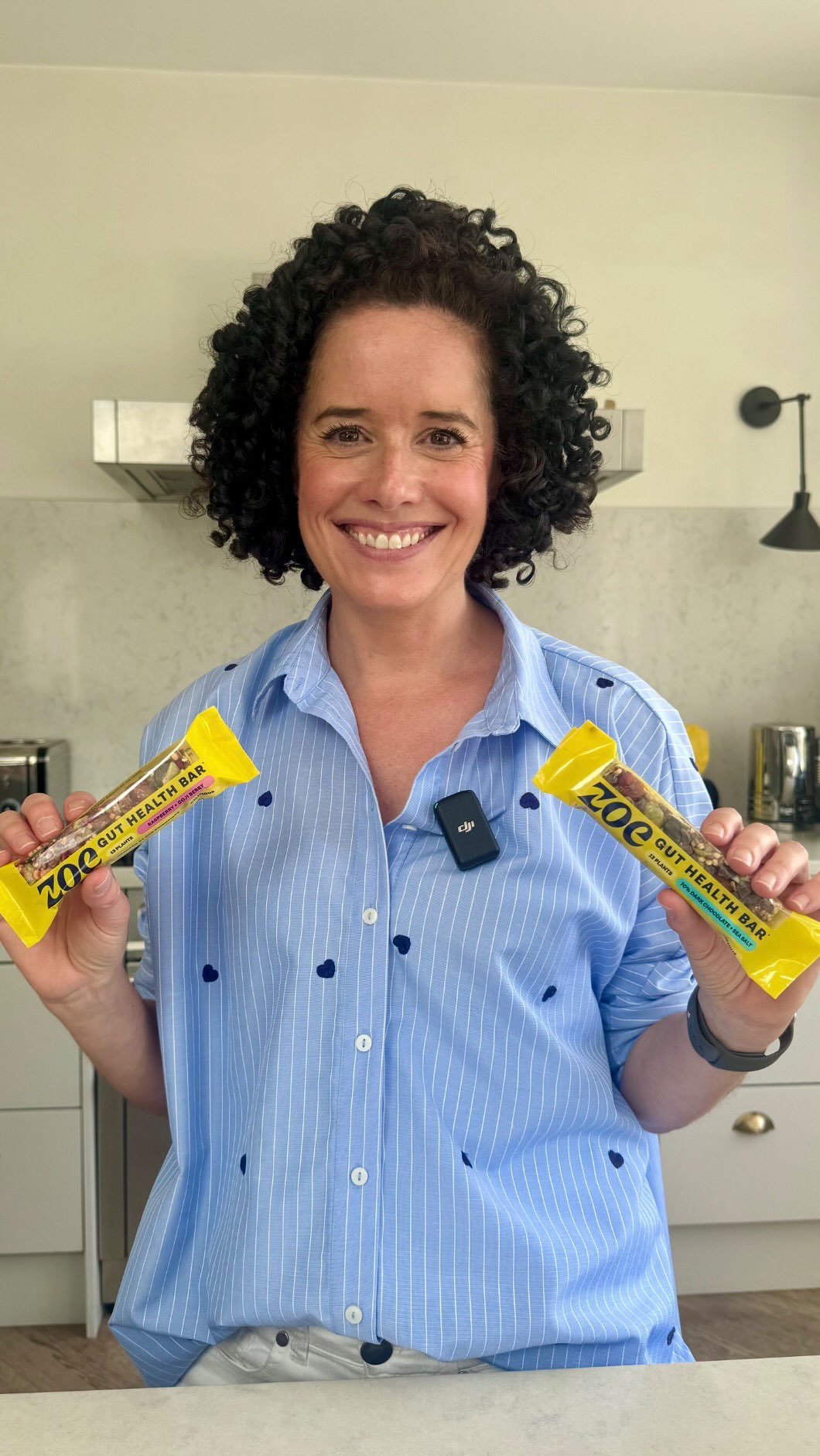
Snacking isn’t a problem, but what we snack on matters. Most snacks are low in fibre, heavily processed, hyperpalatable and soft textured, meaning that they can be eaten quickly and keep us coming back for more. They’re often packed with sugar and additives, while lacking the nutrients our gut microbes need to thrive. So what makes a healthier snack? Whole food ingredients, plenty of fibre, diverse plants, and a texture that encourages us to slow down and chew. That’s exactly what inspired our new Gut Health Bars. Drawing on decades of nutrition research, ZOE’s Chief Scientist @drsarahberry and our team of world-leading scientists created our new Gut Health Bars. Each bar packs in over 10 plants, 8g of fibre, and 7g of plant protein, with ingredients selected to nourish your gut microbiome. We also intentionally preserved the natural structure of as many plants as possible, because how food is structured matters. Intact plants require more chewing and are digested more slowly. Small choices add up, and snacks are no exception.
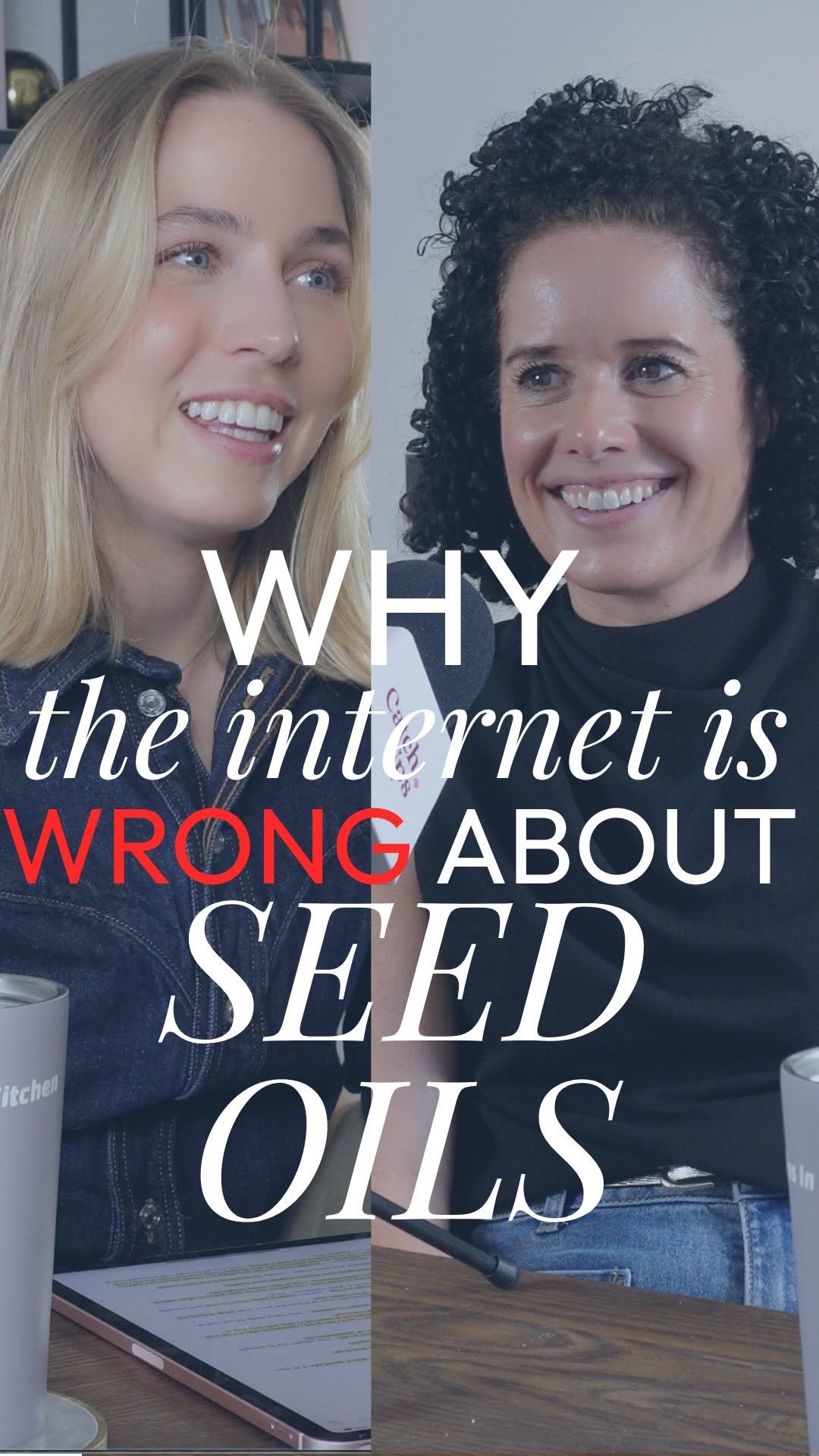
In my kitchen this week I am joined by @drsarahberry …. Like many people, I’d come to believe that seed oils were highly inflammatory, harmful to our health, and something we should be avoiding. But after sitting down with Dr Sarah Berry and hearing the evidence, I realised I had been misled... You have been to and so you need to listen to this episode to find out why COMMENT SEED OILS to listen now #seedoils #seedoil #seedoilsaretoxic

Work leads me to incredible places, people and opportunities! This time it led me to make my son’s dream come true - to experience the Monaco F1 weekend from a rooftop with a view. Thankful for new friends and opportunities