인기 검색 계정






























Jess Bergeron • Herbalist & Wellness Guide(@jkb.journal) 인스타그램 상세 프로필 분석: 팔로워 939,653, 참여율 0.52%
@jkb.journal
인증됨Jess Bergeron • Herbalist & Wellness Guide
Modern Herbalism |Home Remedies Helping Women Care for Their Families Learn kitchen herbalism with live classes and workshops
https://jkbjournal.com/collections/course-workshops/products/kitchen-medicine-mentorship-2-spring-intensive@jkb.journal님과 연관된 프로필
mountainroseherbs

rosemarygladstar

northwoodsfolk

learningherbs

wildwomansisterhoodofficial

thankfulhomemaking

foraged.by.fern

scienceofessentials

shegrowsgardens

animamundiherbals

morethanfarmers
@jkb.journal 계정 통계 차트
게시물 타입 분포
시간대별 활동 분석 (최근 게시물 기준)
@jkb.journal 최근 게시물 상세 분석
동영상 게시물 분석
@jkb.journal 최근 게시물
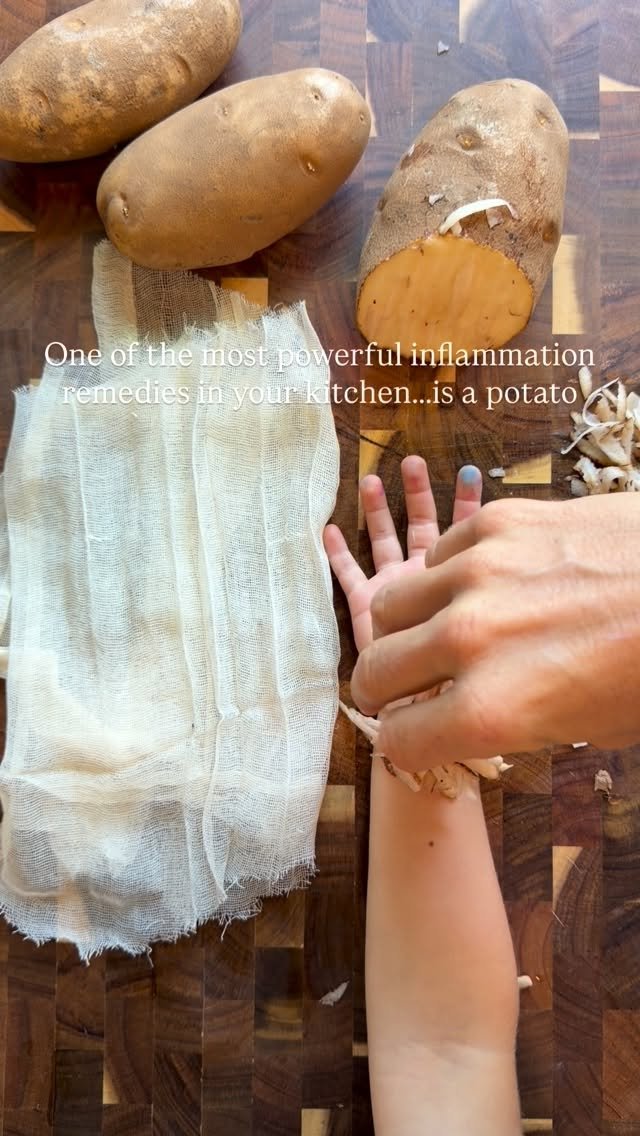
Long before herbal medicine was written into textbooks or bottled into supplements, people learned to work with what they had. And one of the most humble remedies passed down through generations of kitchen healers is the potato poultice. Potatoes are naturally cooling and moistening. When they are grated and applied to the skin, they help draw heat out of inflamed tissues, calm swelling, and soothe irritation. This simple action of pulling heat away from the body is something traditional herbalists have relied on for a very long time. A potato poultice is especially helpful when the body is holding excess heat or inflammation close to the surface. Traditionally it has been used for things like headaches placed across the forehead, swollen joints, minor burns, insect bites, inflamed skin, and even the early stages of mastitis when the breast tissue feels hot and swollen. The cool moisture of the potato helps soften the tissues while gently drawing out that heat. It is one of those remedies that reminds us that medicine does not always come from a jar or a pharmacy. Sometimes it comes from the root cellar, the garden, or the bottom of a kitchen basket. How to make a simple potato poultice Take one raw potato and grate it finely. Place the grated potato into a clean piece of cloth, cheesecloth, or a thin kitchen towel. Fold the cloth over to create a soft packet and place it directly on the area that feels hot, swollen, or inflamed. Leave it in place for about 20–30 minutes, then remove and replace with a fresh poultice if needed. This is the kind of remedy that mothers and grandmothers used quietly for generations. No fancy equipment. No complicated formulas. Just a simple understanding that the kitchen is one of the oldest apothecaries we have. This is exactly the kind of medicine we learn together inside the Kitchen Medicine Mentorship. Not just recipes, but the deeper understanding of how plants and foods support the body and how to use them with confidence in your own home. Because when you begin to see your kitchen this way, everything changes. More in the caption
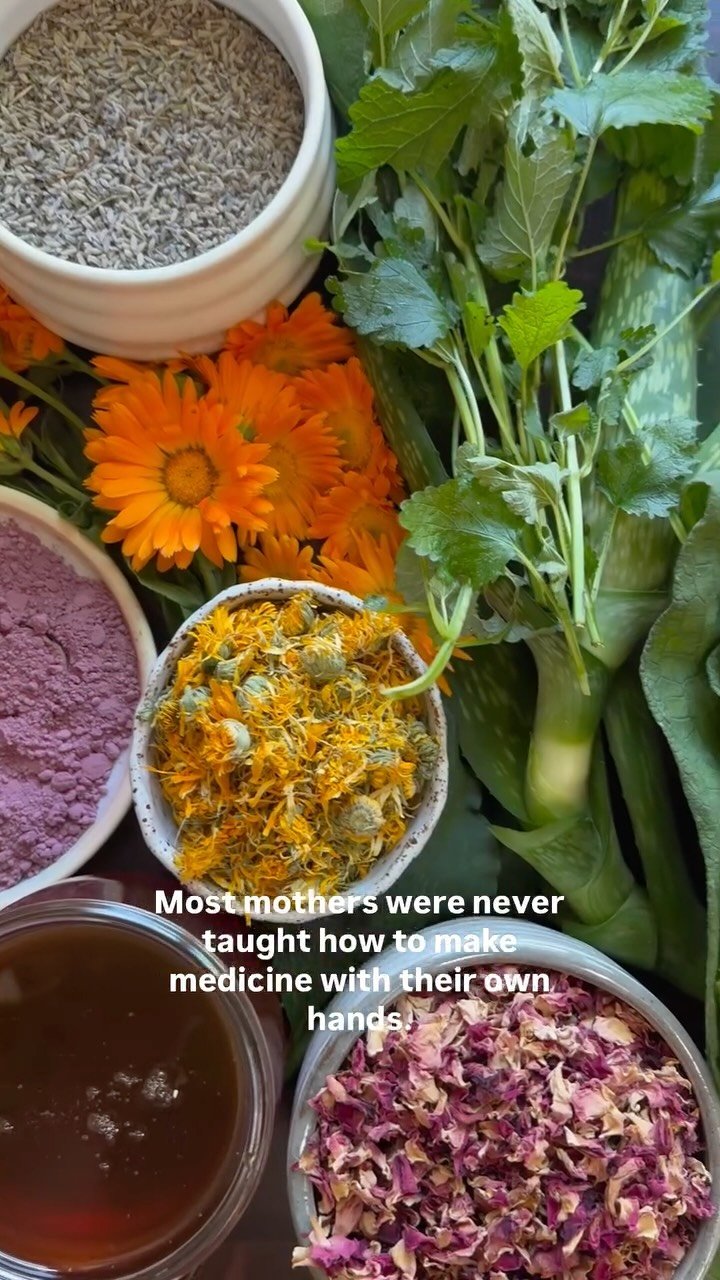
For generations, this knowledge lived in the hands of women. In the jars on the counter. In the quiet ways we cared for our families long before convenience replaced confidence. The Kitchen Medicine Mentorship is now open for enrollment, and it’s an invitation back into that lineage of care. For 13 weeks, I will teach you how to make real, effective herbal medicine from your own kitchen — using the plants and pantry staples you already trust. You’ll learn to confidently support things like fevers, coughs, digestion, immunity, skin, nerves, and everyday wellness with teas, syrups, oxymels, infused oils, salves, steams, and more. This mentorship is not about becoming an “expert.” It’s about becoming prepared. Prepared to respond instead of panic. Prepared to care instead of outsource. Prepared to trust your hands again. You don’t need to live on land. You don’t need a garden. You don’t need years of training behind you. You just need the desire to learn — and the willingness to begin. Let’s bring this knowledge back into your home. Comment YES and let’s make 2026 the year you learn kitchen herbalism.
10 Ways You Can Make a Difference 1.Learn where your drinking water comes from and read your local water quality reports. 2.Support local farmers and food producers whenever possible. The closer you are to your food source, the more transparency you often have. 3. Stay informed about food safety, environmental health, and public health issues from a variety of credible sources. 4. Ask questions. Contact local officials, school boards, or community leaders about issues that affect your family’s health and environment. 5. Support organizations working to protect clean air, clean water, and safe food systems. 6. Share information thoughtfully with friends, family, and your community. Awareness spreads through conversation. 7.Reduce household pollution where you can by choosing safer products, minimizing unnecessary chemical use, and properly disposing of hazardous materials. 8. Participate in community cleanups, watershed restoration projects, or local environmental initiatives. @ourcommonsource 9. Vote in local elections. Many decisions about water quality, land use, food systems, and environmental protections happen at the local level. 10. Build community. Healthy neighborhoods are created when people know one another, share resources, exchange knowledge, and work together toward common goals. The goal isn’t perfection. None of us can solve every problem alone. But small actions taken consistently by many people can create meaningful change for future generations. #ourcommonsourcepartner
It is easy to forget that many of the largest accounts on social media are no longer being run by a single person. Behind the beautiful photos, polished videos, and perfectly timed posts is often an entire team of people working together—content managers, editors, virtual assistants, marketing specialists, customer service representatives, and strategists all helping to keep the machine running. And truly, there is nothing wrong with that. Growing a business often requires support, and many creators reach a point where bringing on a team becomes necessary and even wise. But there is also something special about knowing exactly who is on the other side of the screen. This account is still me. Every recipe, every caption, every class outline, every late-night thought scribbled into my notes app, every question I answer, and every lesson I teach begins with my own curiosity, my own experiences, and my own hands. When you send me a message, it comes to me. When you leave a comment, I am usually the one reading it. When I share a story from my garden, my kitchen, or my life as a mother and herbalist, it is because it genuinely feels meaningful enough to pass along. I think that is why this community feels the way it does. It was never built around perfection. It was built around conversation. Around curiosity. Around the belief that herbal knowledge does not belong only to experts or professionals, but should be accessible to ordinary people caring for themselves and the people they love. Maybe that is a little old-fashioned. Maybe it is slower than the way things are typically done now. But I still believe authenticity matters. I still believe people can feel the difference between something that was created to perform and something that was created to serve. And if you have chosen to spend a few moments of your day here, reading, learning, asking questions, and growing alongside me, I hope you know how grateful I am for that. This account has always been, and continues to be, a very real extension of my life, my work, and my love for sharing the plants with others.
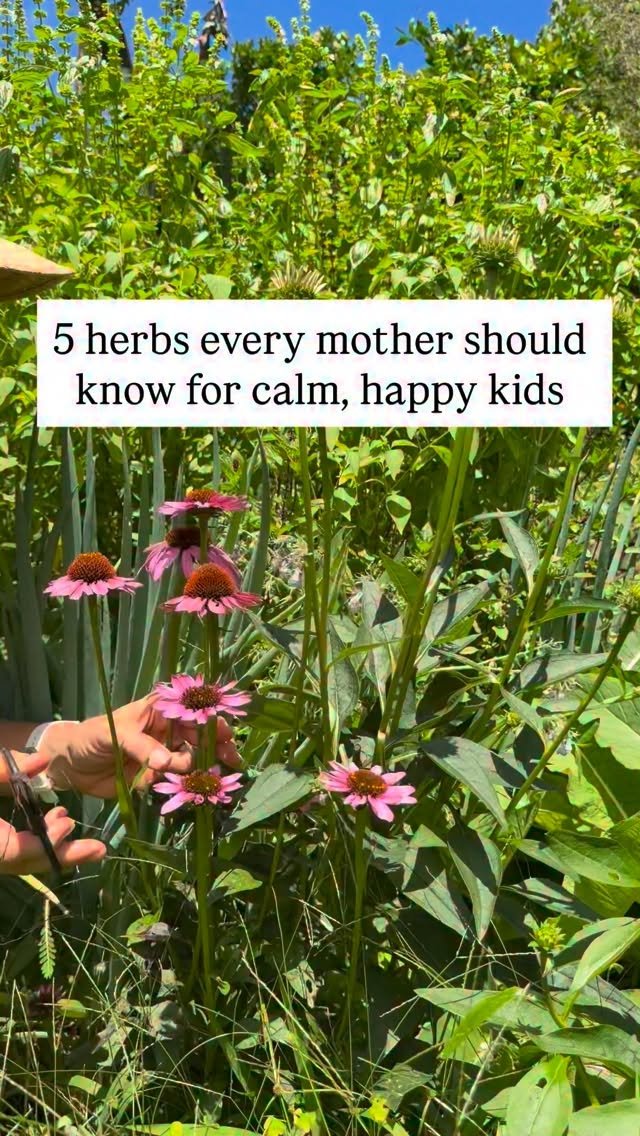
5 herbs every mother should know for calm, happy kids. One of the most common questions I receive from mothers is, “Which herb should I use?” The truth is that herbalism is rarely about finding the strongest herb. It is about finding the herb that best matches the child standing in front of you. Children experience stress, overstimulation, fatigue, frustration, and big emotions just like adults do. Some children become tearful. Some become wild and restless. Some become clingy. Some become withdrawn. Learning to observe these patterns is one of the most valuable skills a home herbalist can develop. Chamomile is often my first choice for the child who is upset about being upset. You know the child. They are crying because they are crying. Their feelings seem to build on themselves until they become overwhelmed by the entire experience. A warm cup of chamomile tea, a chamomile popsicle, or even a chamomile bath can be incredibly comforting. Chamomile has a long history of use for emotional tension, digestive upset connected to stress, and those overtired moments when everything suddenly feels impossible. Lavender is wonderful for the child who cannot seem to slow down. Their body is tired but their mind is still racing. Lavender shines in the evening when the day has been busy, stimulating, and full. I often reach for lavender in teas, baths, pillows, or simply by placing a few drops of lavender essential oil nearby before bedtime. Lavender has a remarkable ability to help create a sense of calm without forcing sedation. Skullcap is one of my favorite herbs for children who appear exhausted but cannot stop moving. Sometimes fatigue doesn’t look sleepy. Sometimes it looks like bouncing off the furniture, emotional outbursts, and endless activity. Herbalists have traditionally used skullcap to support an overworked nervous system and help the body settle after periods of overstimulation. I think of skullcap as an herb for children who have trouble finding the off switch. More in the comments below💚
Comment GUIDE for a free 9 page guide on Herbal Cleaning💚 For centuries, people have tucked lavender into linen closets, scattered it across floors, hung it from rafters, added it to wash water, and infused it into household preparations. Long before cleaning companies started putting lavender on labels, people were using the actual plant to freshen their homes. The scent became associated with cleanliness because homes that contained lavender quite literally smelled like lavender. What I find interesting is that most people today know the scent of “lavender cleaner” far better than they know the scent of fresh lavender itself. Fresh lavender is surprisingly complex. It is floral, yes, but it is also green. It smells like sunshine on leaves. It has earthy notes, herbal notes, and a softness that changes throughout the day. If you’ve ever brushed your hand across a lavender plant in the garden, you know that it smells alive. Synthetic lavender fragrances often capture only one small piece of that experience. They tend to focus on the sweet floral notes because that is what people recognize most easily. The result is a scent that can feel sharper, heavier, or more one-dimensional than the plant itself. Fresh lavender has depth. It smells like flowers, leaves, stems, soil, sunshine, and the essential oils naturally produced by the plant all at once. That is one of the reasons I love making herbal cleaners with fresh lavender flowers and leaves. When you place them into vinegar or alcohol, you capture more of the plant’s natural character. The finished cleaner doesn’t smell like a commercial lavender product. It smells like the garden. And to me, that is one of the most beautiful parts of hands-on herbalism. The goal is not simply to make something useful. It is to become familiar with the plants themselves. To learn what they smell like, how they grow, how they change through the seasons, and how many different ways they can be woven into daily life. The more time I spend with fresh herbs, the more I realize how much of modern life is an imitation of something that originally came from a plant. Sometimes it is nice to go back to the source.

For less than the cost of filling your cart with a handful of wellness products, you can learn skills that will serve you and your family for years. That is the heart behind these classes. I don’t want to give you another product to buy. I want to teach you how to make the tea, blend the herbs, infuse the oil, stir the syrup, and understand why you’re using them in the first place. This summer I am teaching three live workshops designed specifically for women who want practical, useful herbal knowledge they can begin applying immediately. 🌿 Kitchen Medicine Foundations Learn the herbs, preparations, and medicine-making skills that form the backbone of home herbalism. 🌿 Herbal Childcare Learn practical remedies, traditional approaches, and herbal skills for caring for babies, children, and families. 🌿 Herbal Pregnancy & Postpartum Care Learn nourishing herbs, teas, infusions, and traditional remedies that support mothers through pregnancy and recovery. These are not information-heavy classes. They are hands-on classes. Heart-led classes. The kind of herbalism that belongs around kitchen tables, in family gardens, and in the everyday care of the people we love. ✨ Early Bird Enrollment is just $37 per workshop. Join one. Join all three. But if you’ve been waiting for the right moment to begin learning herbalism, I hope you’ll join me this summer. Comment SUMMER and I’ll send you all the details.
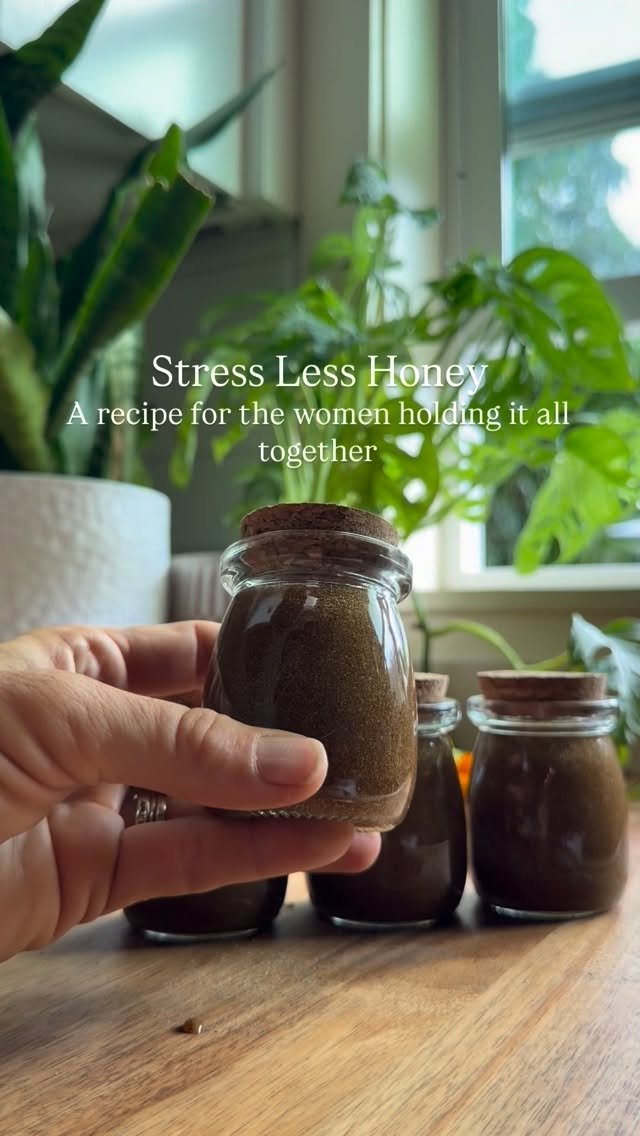
The beauty of this blend is that it meets many women exactly where they are: overwhelmed, stretched thin, and carrying more than they were ever meant to carry alone. Rather than forcing the body to work harder, these herbs have traditionally been used to help nourish resilience, support recovery, and encourage a greater sense of steadiness through the inevitable stresses of modern life. One spoonful becomes a small daily reminder that supporting yourself is not selfish—it is essential. Stress Less Honey A nourishing adaptogenic honey electuary for modern women navigating stress, exhaustion, and the demands of everyday life….with herbal powders from @animamundiherbals Ingredients 1 cup raw honey 2 tablespoons cordyceps mushroom powder 2 tablespoons chaga mushroom powder 2 tablespoons suma root powder 1 teaspoon cinnamon powder (optional) ½ teaspoon ginger powder (optional) Method Place the honey into a clean glass jar. Add the cordyceps, chaga, and suma powders. Stir thoroughly until all powders are fully incorporated and no clumps remain. Add cinnamon and ginger if using. Allow the mixture to sit for 24 hours before using to fully hydrate the powders and improve texture. Store tightly sealed at room temperature. Suggested Use: Enjoy 1 teaspoon daily straight from the spoon or stirred into warm tea. #animamundipartner
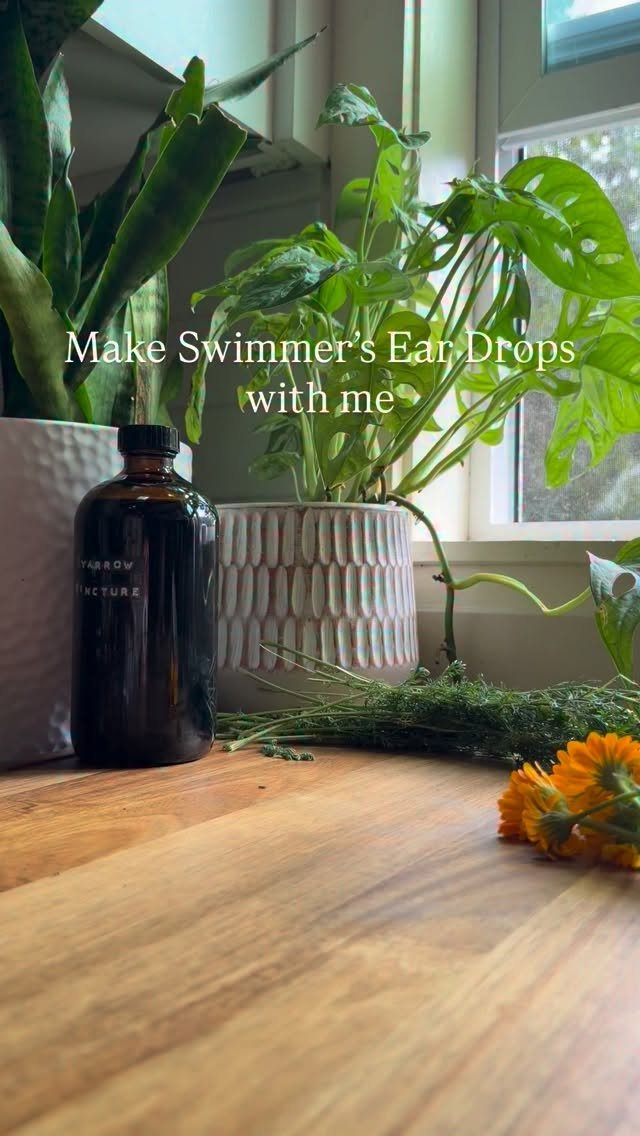
🌿SAVE THIS RECIPE🌿 💦Swimmer’s Ear Herbal Drops💦 Ingredients 5 tablespoons witch hazel extract 1 tablespoon calendula tincture 1 tablespoon yarrow tincture Instructions -Pour the witch hazel, calendula tincture, and yarrow tincture into a clean glass bottle with a dropper top. -Cap tightly and shake well to combine. -Label with the ingredients and date. -Store in a cool, dark location. To Use After swimming or anytime moisture becomes trapped in the ear, place 2–4 drops into the affected ear. Tilt the head to allow the drops to reach the ear canal and remain in position for 30–60 seconds before sitting upright. Use 1–2 times daily as needed. Why These Herbs? Witch Hazel has astringent properties that help dry excess moisture and tone tissues. Calendula is applied both internally or externally to soothe irritated tissues and support healthy skin. Yarrow is a versatile herb known for its strong astringent action. Like witch hazel, yarrow contains tannins that help tighten tissues and reduce excessive moisture, making it particularly useful in preparations intended for damp environments such as the ear canal after swimming. Important Note These drops are intended for mild swimmer’s ear discomfort and moisture management. Do not use if there is a suspected ruptured eardrum, severe pain, drainage from the ear, fever, or significant hearing changes. Seek medical evaluation if symptoms worsen or persist. This is a simple, traditional herbal preparation that many home herbalists keep on hand during the summer swimming season. The herbal tinctures can be hand made or purchased from @mountainroseherbs or any other reputable herbal supply company💚
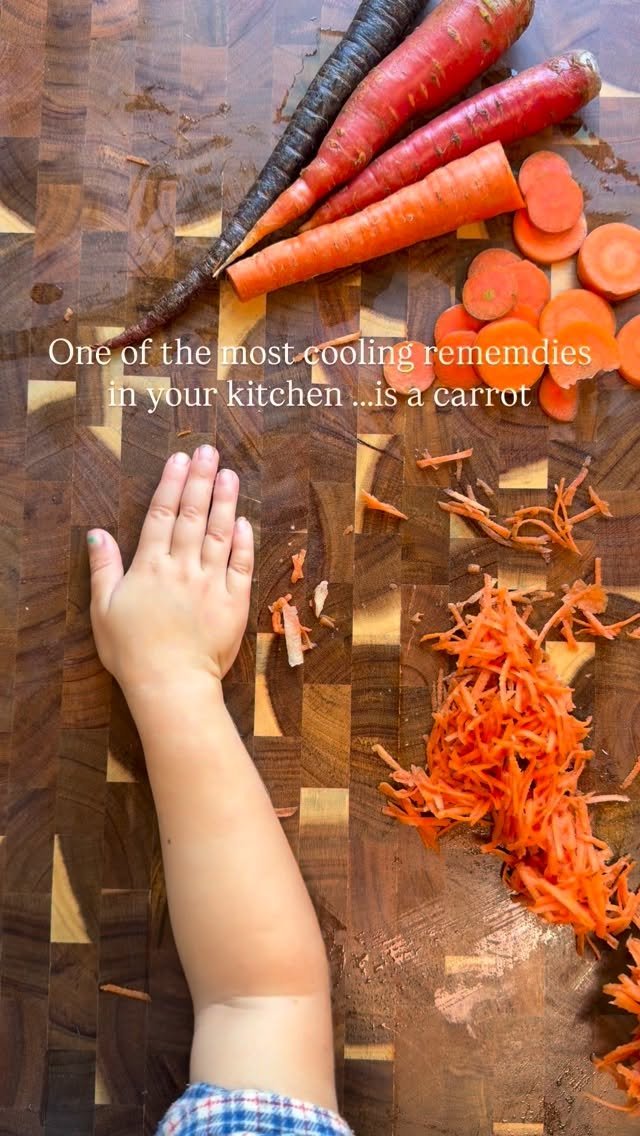
For generations, home healers worked with the ingredients they had on hand, and the humble carrot was often considered more than just food. Fresh grated carrot poultices were traditionally applied to hot, irritated, swollen, or uncomfortable areas of the body because of their naturally moist and cooling nature. Part of what makes carrots so useful in traditional poultices is their high water content and naturally cooling nature. When freshly grated, carrots create a moist poultice that helps transfer coolness directly to the skin while providing gentle hydration to the tissues underneath. Kitchen herbalists value moist, cooling plants and foods for areas that felt hot, irritated, swollen, or inflamed, and carrots were an accessible remedy that nearly every family could keep on hand. To make one, simply grate a fresh carrot and spread it onto a clean cotton or linen cloth. Fold the cloth over the carrot and apply it to the area for 15–30 minutes, replacing with fresh carrot as needed. I love remedies like this because they remind us that some of the most useful traditions are also the simplest. Not every remedy requires a special ingredient or a complicated formula. Sometimes healing begins with opening the refrigerator and seeing familiar foods through a different lens. Kitchen herbalism teaches us that our homes can be filled with practical knowledge, and that ordinary ingredients often have extraordinary stories behind them. Have you ever tried a carrot poultice?
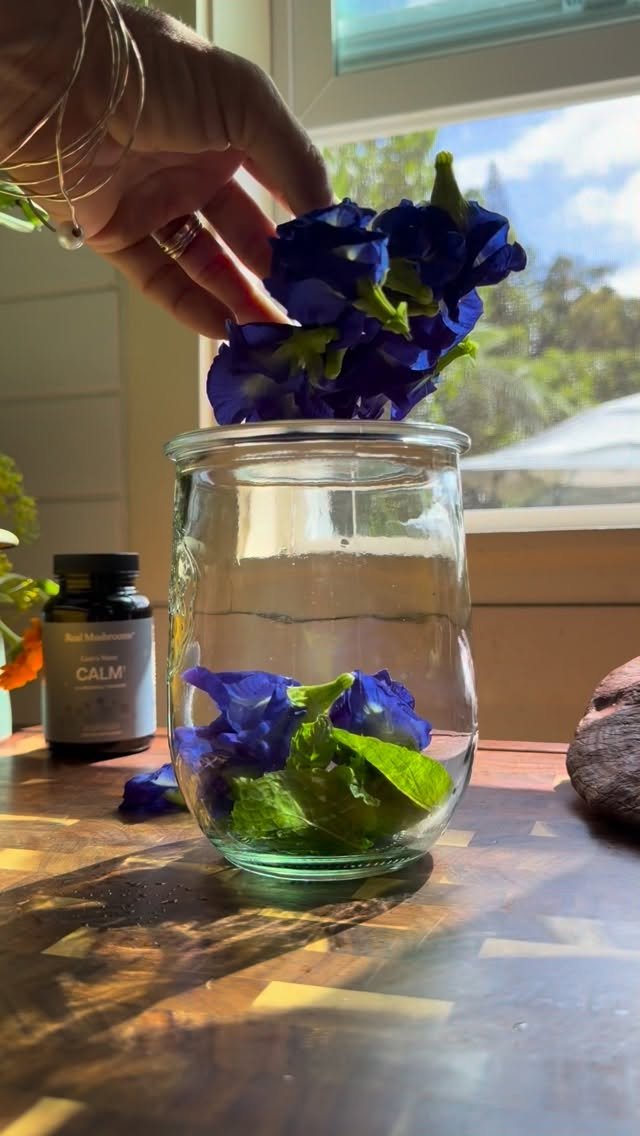
We can’t always stop the stress, but we can support how our bodies respond to it. As women, many of us are carrying a tremendous amount every single day. We are caring for children, running households, building businesses, supporting loved ones, managing endless to-do lists, and often doing it all while feeling like we should somehow be doing more. Over time, that constant pressure can leave us feeling depleted, scattered, overwhelmed, and disconnected from ourselves. This is one of the reasons I have become so interested in herbs and mushrooms that support the nervous system. I’ve been loving Lion’s Mane Calm from @real_mushrooms because it was thoughtfully formulated to support calm clarity without making you feel tired or sedated. The formula combines organic Lion’s Mane mushroom extract, AlphaWave® L-theanine, and Reishi extract to support a relaxed but alert state while helping you stay grounded during the demands of everyday life. Lion’s Mane has become one of my favorite mushrooms for supporting focus, mental clarity, and cognitive health. Reishi has a long history of use as a mushroom that supports resilience and overall wellbeing, while L-theanine is known for promoting a calm and centered state without drowsiness. What I appreciate most is that this isn’t about chasing perfection or eliminating every stressor in life. It’s about supporting the nervous system consistently so we can navigate life’s challenges with a little more steadiness, clarity, and ease. Because while stress may be unavoidable, feeling completely overwhelmed by it doesn’t have to be. #RealMushrooms #LionsManeCalm #MushroomWellness #ad #realmushroomspartner
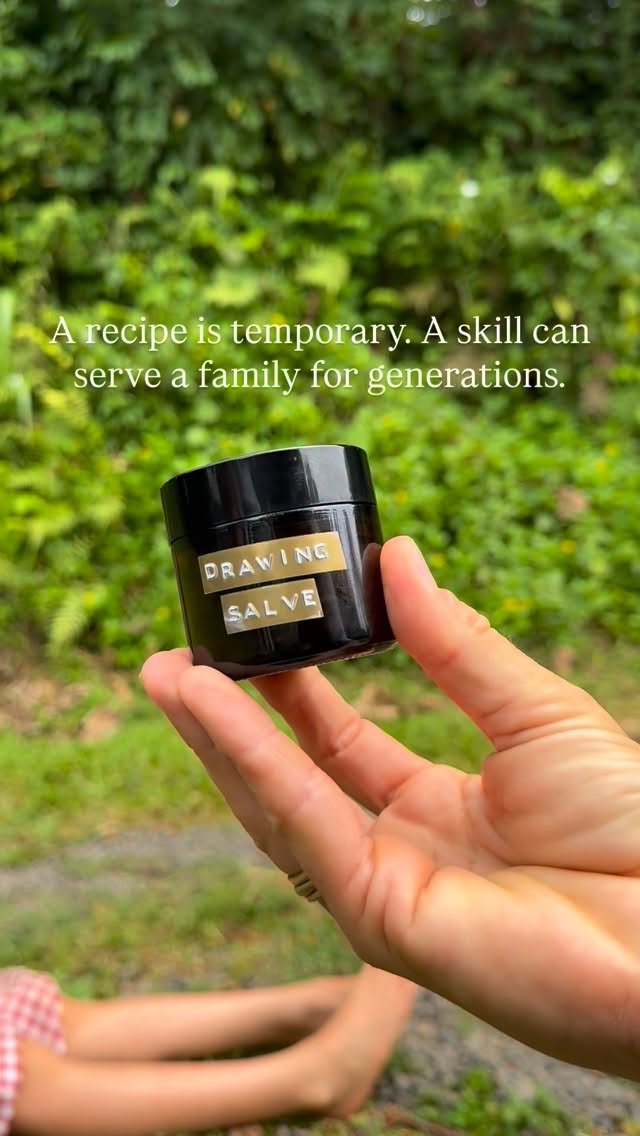
Comment SKILLS for this Drawing Salve recipe and links to my herbal class series 🌿This traditional drawing salve is one of my favorite remedies for splinters, thorns, minor stings, and tiny pieces of glass or debris that can become lodged in the skin. Plantain, calendula, activated charcoal, and bentonite clay work together to create a rich salve that herbalists have long relied on in their first-aid kits. Apply generously, cover if desired, and allow the salve time to support the body’s natural process of bringing debris closer to the surface.🌿 The jar will eventually run out. The herbs will be used. The salve will be gifted, shared, and applied until there is nothing left. But knowledge remains. Once you know how to infuse an oil, make a salve, brew a nourishing infusion, or prepare a syrup, those skills become part of you. They become something you carry into every season of life. They become something you share with your children, your grandchildren, your friends, and your community. This is one of the reasons I love kitchen herbalism so much. It isn’t about collecting products. It isn’t about filling cabinets with remedies. It is about learning practical skills that help us care for ourselves and the people we love. For most of human history, these skills lived in ordinary homes. They were passed from one generation to the next around kitchen tables, garden gates, and simmering pots on the stove. I believe they are worth preserving. That belief is exactly why I created my Summer Herbal Workshop Series ( Enroll now for on $37 a class) 🌿 Kitchen Medicine Foundations 🌿 Herbal Childcare 🌿 Herbal Pregnancy & Postpartum Care These are hands-on, heart-led classes designed to help you build real confidence with herbs through practical medicine making, traditional skills, and remedies you can begin using immediately. If you’ve been feeling called to learn herbalism but weren’t sure where to start, this is your invitation. Invest in the knowledge. The recipes will follow.