인기 검색 계정






























ZOE | Science & Nutrition(@zoe) 인스타그램 상세 프로필 분석: 팔로워 830,639, 참여율 0.46%

@zoe
인증됨 비즈니스ZOE | Science & Nutrition
Change how you eat, feel and live with ZOE.
https://zoe.com/buymembership?utm_medium=social&utm_source=Meta&utm_campaign=sales_orgsocial&utm_content=Membership@zoe님과 연관된 프로필
연관 프로필이 없습니다
이 계정에 대한 연관 프로필 정보를 찾을 수 없습니다
@zoe 계정 통계 차트
게시물 타입 분포
시간대별 활동 분석 (최근 게시물 기준)
@zoe 최근 게시물 상세 분석
동영상 게시물 분석
여러 장 게시물 분석
@zoe 최근 게시물
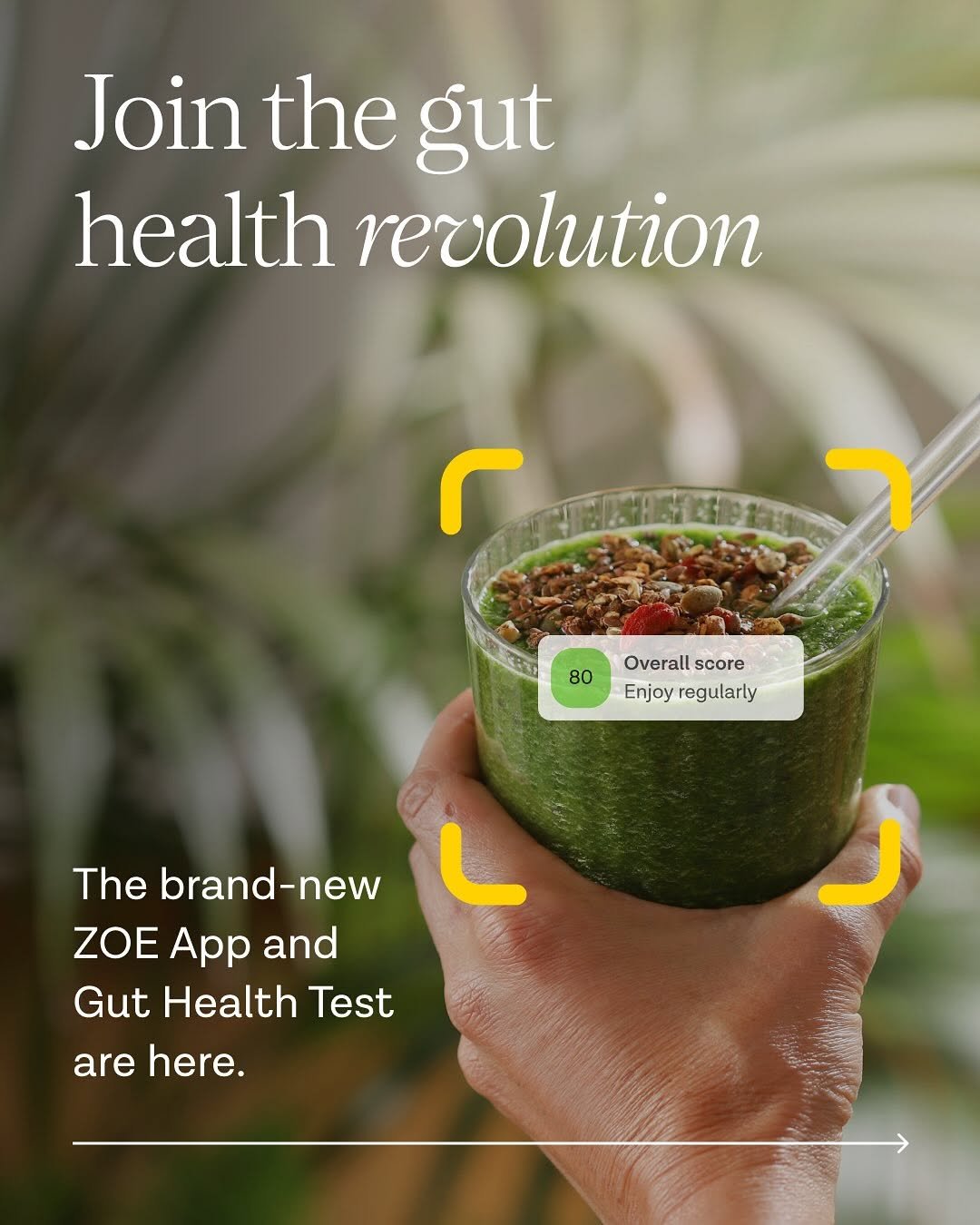
Today, we launch the next generation of ZOE in the UK. After 8 years of running the world’s largest nutrition science study and listening to our members, we’re launching a brand-new ZOE App and Gut Health Test. For the first time, you don’t need a test to join ZOE. And if you do choose to test, you’ll unlock new insights from our Gut Microbiome Test. From sequencing over 300,000 microbiomes, we’ve identified clusters of gut microbes linked to heart health, inflammation, blood sugar, and fat distribution. This makes it easier than ever to understand your gut health and take action to improve it. Our App has also been rebuilt from the ground up. With mindful eating at its heart, we’ve created AI-powered tools powered by our microbiome database and the world’s largest nutrition study. At ZOE, we take complex science and make it useful in your everyday life. This is the next step in our mission to improve the health of millions, and we can’t wait for you to try it. Comment ZIGGIE now and join us in the gut health revolution.💛

Beans on toast is one of Britain’s great comfort foods, and, surprisingly, it’s also a pretty good meal for your gut. Let’s start with the beans. Haricot beans are packed with fibre and special carbohydrates that your body can’t fully digest. Instead, they make their way down to your colon, where your gut microbes get to work fermenting them. This produces short-chain fatty acids, including butyrate, which helps keep the cells lining your gut healthy. Then there’s the cheese. Cheese is a fermented food, meaning bacteria have been used to transform the milk into something completely different. Fermentation can create a whole range of new compounds, and some cheeses also contain live bacteria. It’s another reason I’m a fan of including a variety of fermented foods in your diet. The one thing I would change is the bread. Traditional beans on toast is usually made with white bread, which has had much of the fibre-rich outer layers of the grain removed. Swap it for wholemeal, wholegrain or rye bread and you immediately add more fibre and a wider range of plant compounds. And you can take it a step further without spending any more time in the kitchen. Instead of simply heating up your beans, add some spinach, garlic and a drizzle of extra-virgin olive oil. You’ve still got beans on toast, but now you’ve added several more plants, more fibre and a wider variety of compounds for your gut microbes to feed on. That’s my kind of upgrade. Roughly the same amount of effort, but a much more interesting meal for your gut microbes.
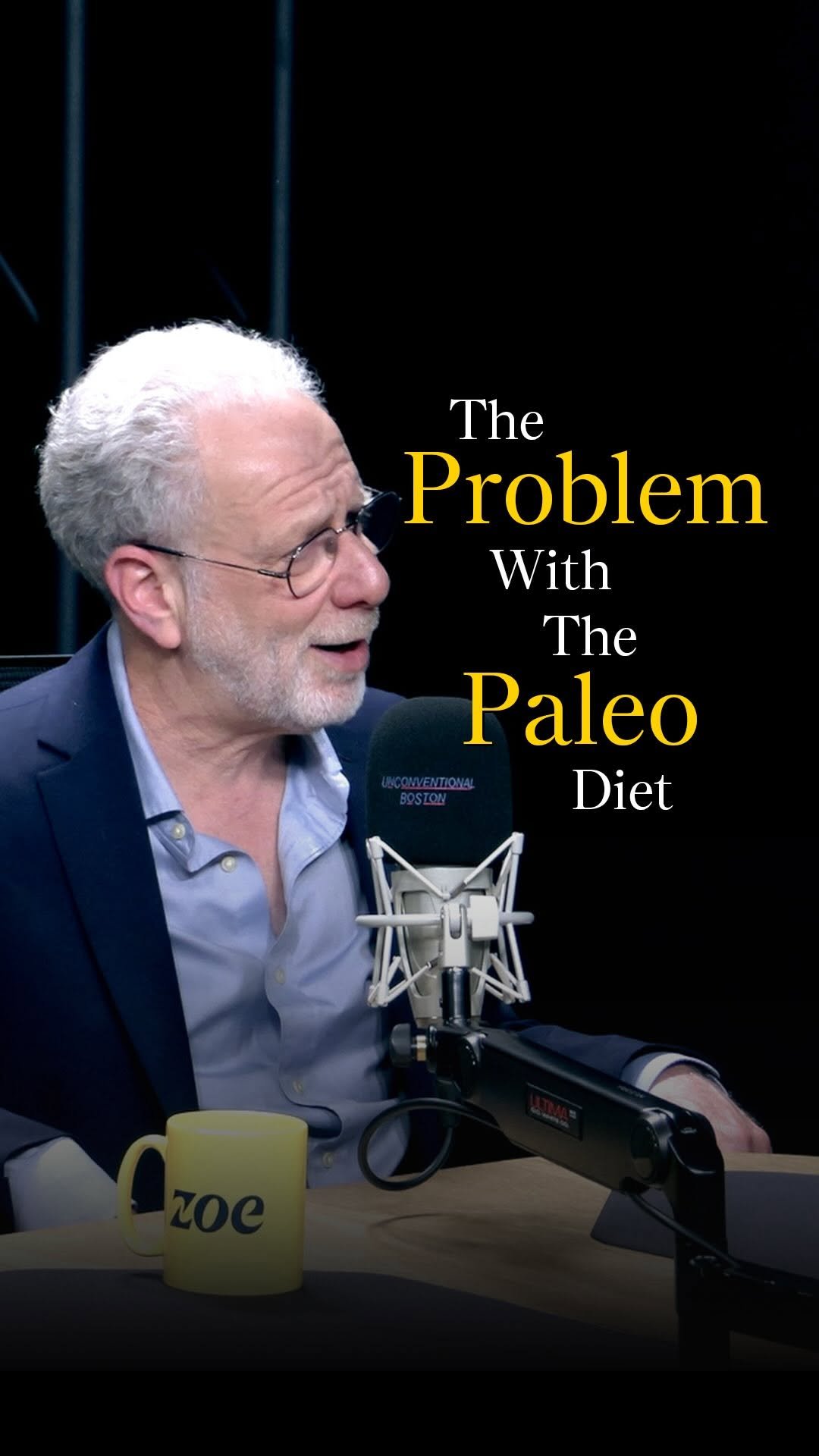
For millions of years, food was scarce. You ate what you could find, and there was no choice to make. But in an evolutionary blink of an eye, our food landscape has completely changed. We now have an almost infinite range of choices, and a never-ending supply of contradictory advice about which ones to make. Meanwhile, rates of obesity and chronic disease keep rising. So if we’re designed for scarcity, how should we eat in a world of abundance? Daniel Lieberman is one of the world’s leading paleoanthropologists and a Professor of Biological Sciences at Harvard University, who has spent his career studying the human body through the lens of evolution. He believes that understanding how we evolved is the key to understanding what we should eat, why we gain weight, and why so many modern diets fail. In this week’s episode, he reveals: - Why evolution designed us to crave sugar, fat and salt - What hunter-gatherers ate, and why it isn’t the paleo diet - Why your body is so good at storing fat, and so reluctant to let it go - What ultra-processed foods do that our ancestors never had to contend with - And what Daniel learned from putting himself through some of today’s most extreme diets Click the link in our bio to listen now, watch it on our YouTube, or search ZOE Science & Nutrition wherever you listen to podcasts. 🎙️
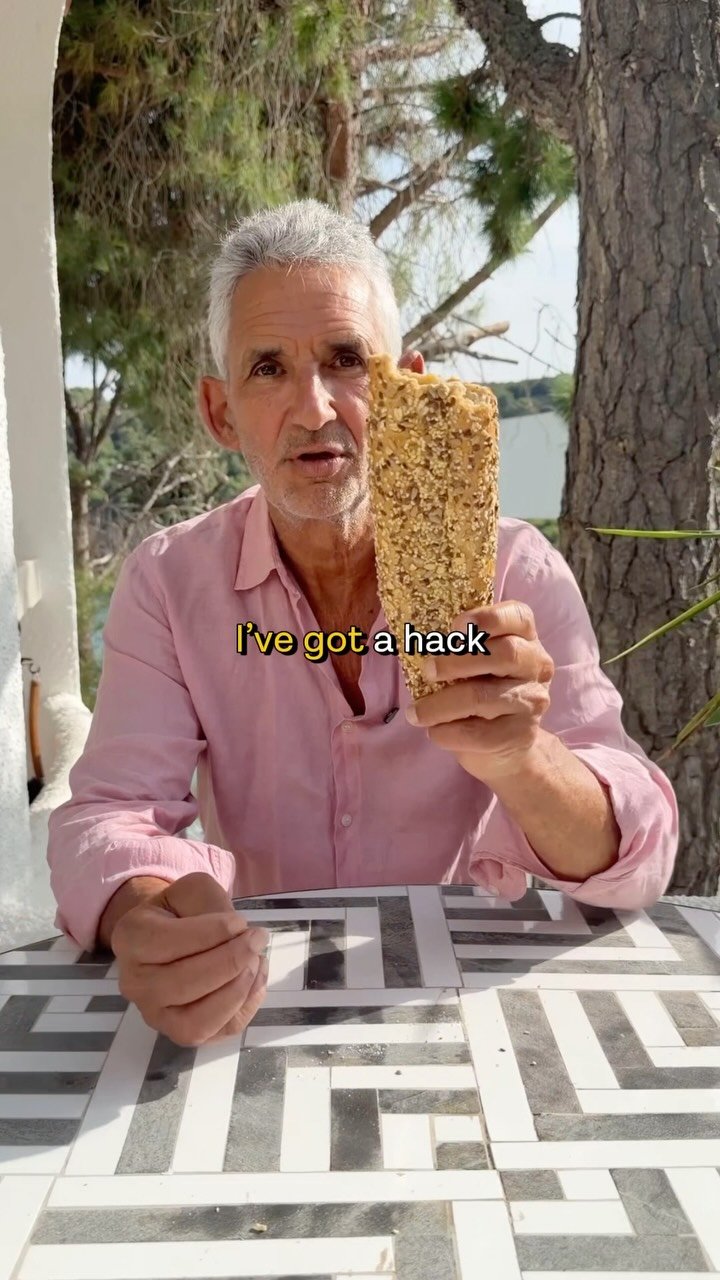
One of the easiest ways to make your bread a little healthier is to put it in the freezer. When bread is freshly baked, most of its starch is easy for your body to break down into glucose. Freeze it, though, and a portion of that starch changes its structure through a process called retrogradation, becoming what’s known as resistant starch. As the name suggests, resistant starch resists digestion in your small intestine. Instead of converting into sugar, it travels all the way to your colon where your gut microbes ferment it, producing beneficial compounds such as butyrate that help support the gut lining. Because less total starch is converted into immediate glucose, freezing bread can also lead to a smaller blood sugar rise than eating the same slice fresh. The quality of the bread still matters, try to choose a wholegrain or authentic sourdough where possible. But if you regularly eat bread, freezing it, and even better, toasting it straight from frozen, is a simple habit that can give your gut microbes a little more to feed on. Bread isn’t the only food where this happens. The same process occurs when you cook and then chill potatoes, pasta, or rice. As these foods cool, some of their starch also becomes resistant starch. Even after reheating, much of it remains, giving your gut microbes a little more to ferment compared with eating them freshly cooked.
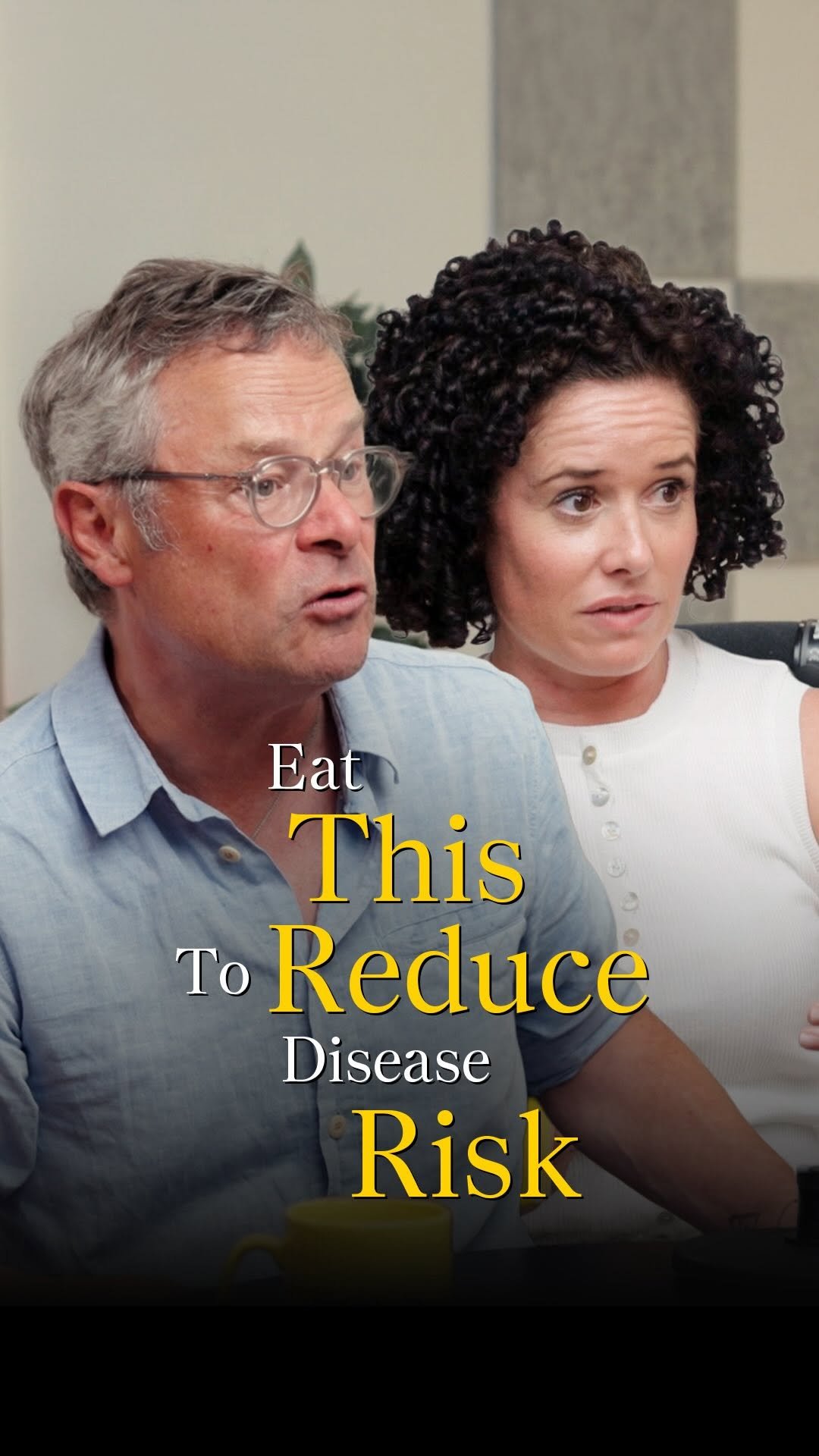
95% of us aren’t getting enough of one nutrient linked to lower risk of heart disease, dementia, and cancer: fiber. New research suggests it’s one of the most powerful tools we have for protecting long-term health, and this year, it’s finally getting the attention it deserves. @hughfearnleywhittingstall, bestselling author, chef, and founder of @rivercottagehq, sits down with @drsarahberry, Professor of Nutrition at King’s College London and Chief Scientist at ZOE, to talk all things fiber. In this episode of the ZOE Science & Nutrition podcast, they cover: - What low fiber intake does to your gut microbiome - Why eating more fiber doesn’t have to be expensive or complicated - What the science says about plant diversity - Is “fiber maxxing” the next big trend, or just a fad? - The 12 everyday ingredients Hugh thinks belong in every kitchen Link in bio, on YouTube, or listen on Spotify and Apple Podcasts. 🎙️
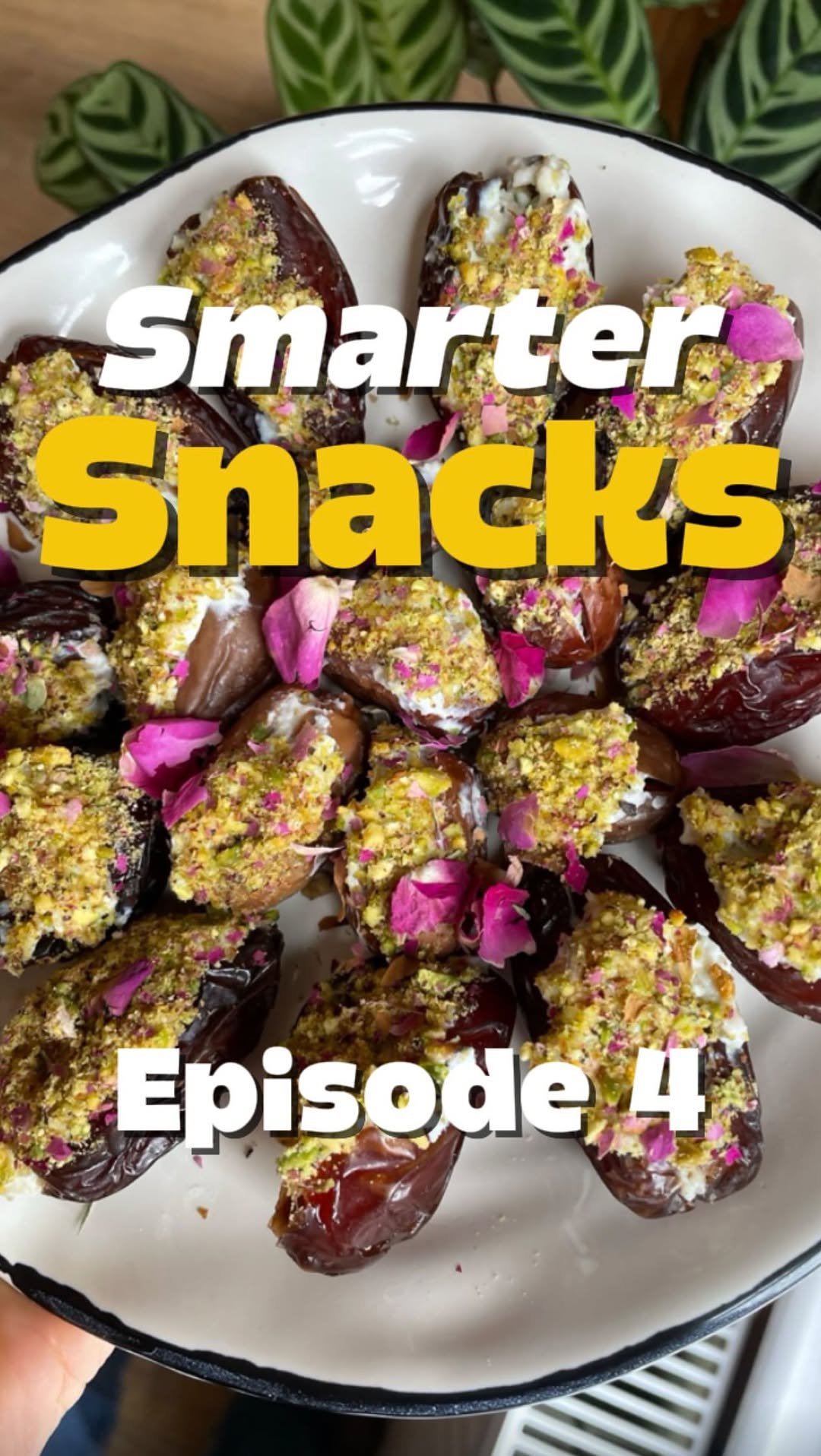
Comment DATES for the recipe, and follow @zoe for the rest of our Smarter Snacks series.💛 These pistachio rose stuffed dates are creamy, fragrant, and full of nutrients to support your gut health. Medjool dates are packed with fiber, which helps feed the beneficial microbes living in your gut. Pair them with ricotta, pistachios and almonds, and you’re adding protein, healthy fats and a variety of plant compounds that help keep you fuller for longer. Pistachios and almonds are also rich in polyphenols, compounds that your gut microbes love to break down. As they do, they produce beneficial molecules that help support your gut microbiome and overall health. We have a hunch these will be your new favourite snack. Let us know if you give it a go!
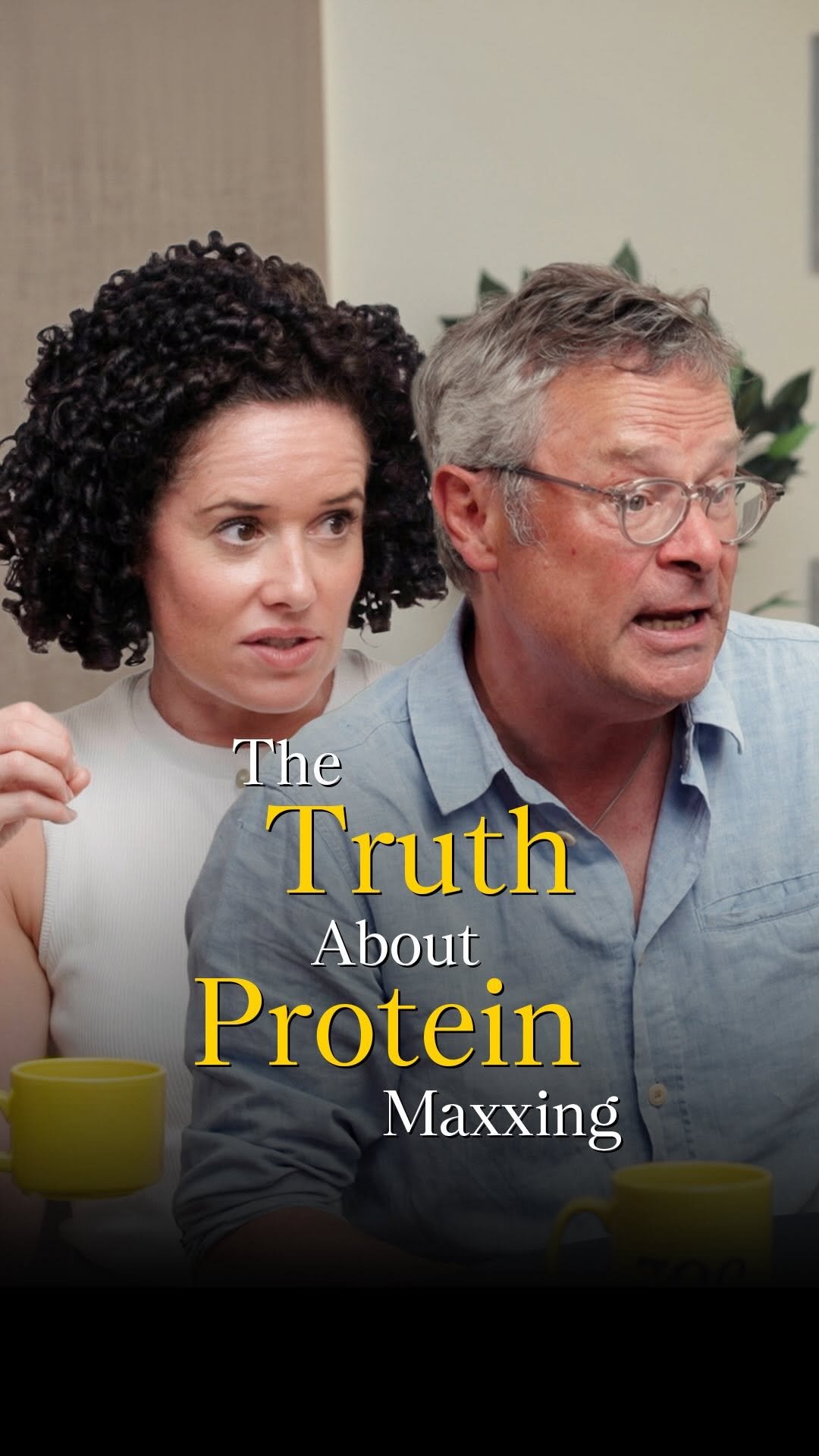
One nutrient is linked to a lower risk of heart disease, dementia, and cancer, yet 95% of us in the US and UK aren’t getting enough of it. This year, fiber is finally back in the spotlight, and new research suggests it may be one of the most powerful tools we have for protecting our long-term health. @hughfearnleywhittingstall is a bestselling author and chef who advocates for seasonal, local produce. Hugh is a household name in the UK, and his TV show River Cottage was instrumental in the UK’s organic food movement. Alongside Hugh is @drsarahberry, Professor of Nutrition at King’s College London and Chief Scientist at ZOE. Sarah is a world leader in large-scale human nutrition studies and an expert on metabolic health and the importance of food structure. Together, they uncover: - What happens to your gut microbiome when you don’t eat enough fiber - Why eating more fiber doesn’t have to be expensive or complicated - What the latest science says about why plant diversity matters - Whether “fiber maxxing” is the next big nutrition trend, or just another fad - And the 12 everyday ingredients Hugh believes deserve a place in your kitchen Click the link in our bio to listen now, watch it on our YouTube, or search ZOE Science & Nutrition wherever you listen to podcasts.🎙️

One of my favourite sweet treats takes less than 10 minutes to make. These deliciously simple chocolate pecan bites have become a regular in my freezer. They’re the sort of recipe I reach for when I want something sweet with a cup of coffee, and they’re always one of the first things to disappear when friends or family come round. They’re made with just a handful of real ingredients: dark chocolate, nut butter, pecans and a simple berry chia jam. If I’m snacking on dark chocolate on it’s own, I always go for 85% cocoa, but in desserts, 70% works for that extra sweetness. Together they provide plenty of fibre, healthy fats and polyphenols, without relying on ultra-processed ingredients. Recipes like this are exactly why I wrote my new cookbook, Good Mood Food. I wanted to show that cooking to support your gut and brain doesn’t have to mean spending hours in the kitchen or giving up the foods you love. Some of the most satisfying recipes are also the simplest, and I think this might be one of them. The full recipe is in Good Mood Food, which is available to pre-order now. I can’t wait for you to start cooking from it. The link to pre-order yours is in my bio, including some signed copies. I’ll be sharing plenty more recipes over the coming weeks, and I have a feeling these chocolate pecan bites might become one of your favourites too. Let me know if you’d like the exact recipe, and whether I should share more of my favourite gut-friendly desserts.
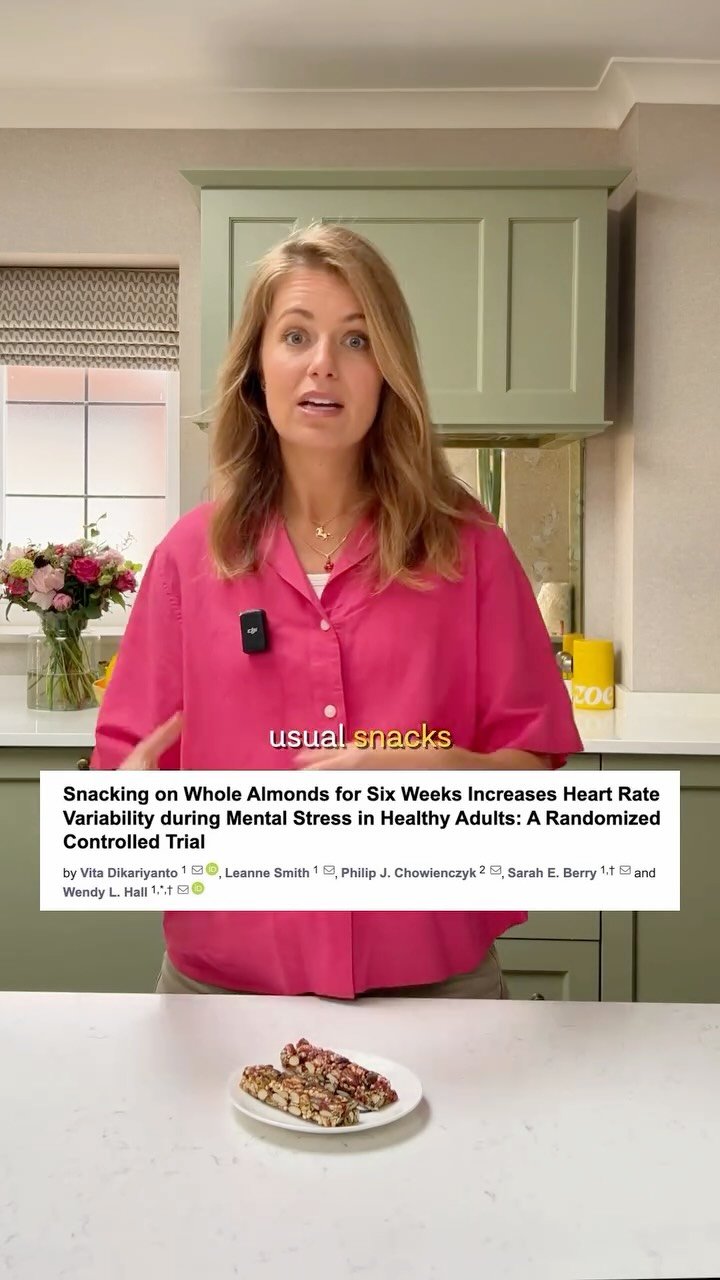
Let’s talk about why we made our new Gut Health Bars.👇 For years, ZOE scientists have been analysing large-scale data on how food affects the body. One pattern we kept seeing was a gap in snacking. Many grab-and-go options are ultra-processed, formulated to be hyper-palatable, and typically high in refined starches, emulsifiers, and low in fiber and whole foods. ZOE members asked for a convenient way to support their gut health on the go, so we created the Gut Health Bar. Each bar contains high-quality, diverse whole foods full of fiber, and packs in over 10 plants including whole nuts, seeds, and fruit. They’re also a natural source of calcium which supports digestion. Unlike many conventional snack bars that are soft in texture and designed to be eaten and digested quickly, we’ve focused on keeping the intact food structure to work with your digestion and provide longer-lasting energy. Our goal wasn’t to create a “better snack” in isolation, but to bridge the gap between nutrition science and everyday eating, making it easier to choose foods that support your long-term health every day. Have you tried it yet? @dr.fede.amati’s favourite is the dark chocolate flavour. We can’t wait to hear what you think.
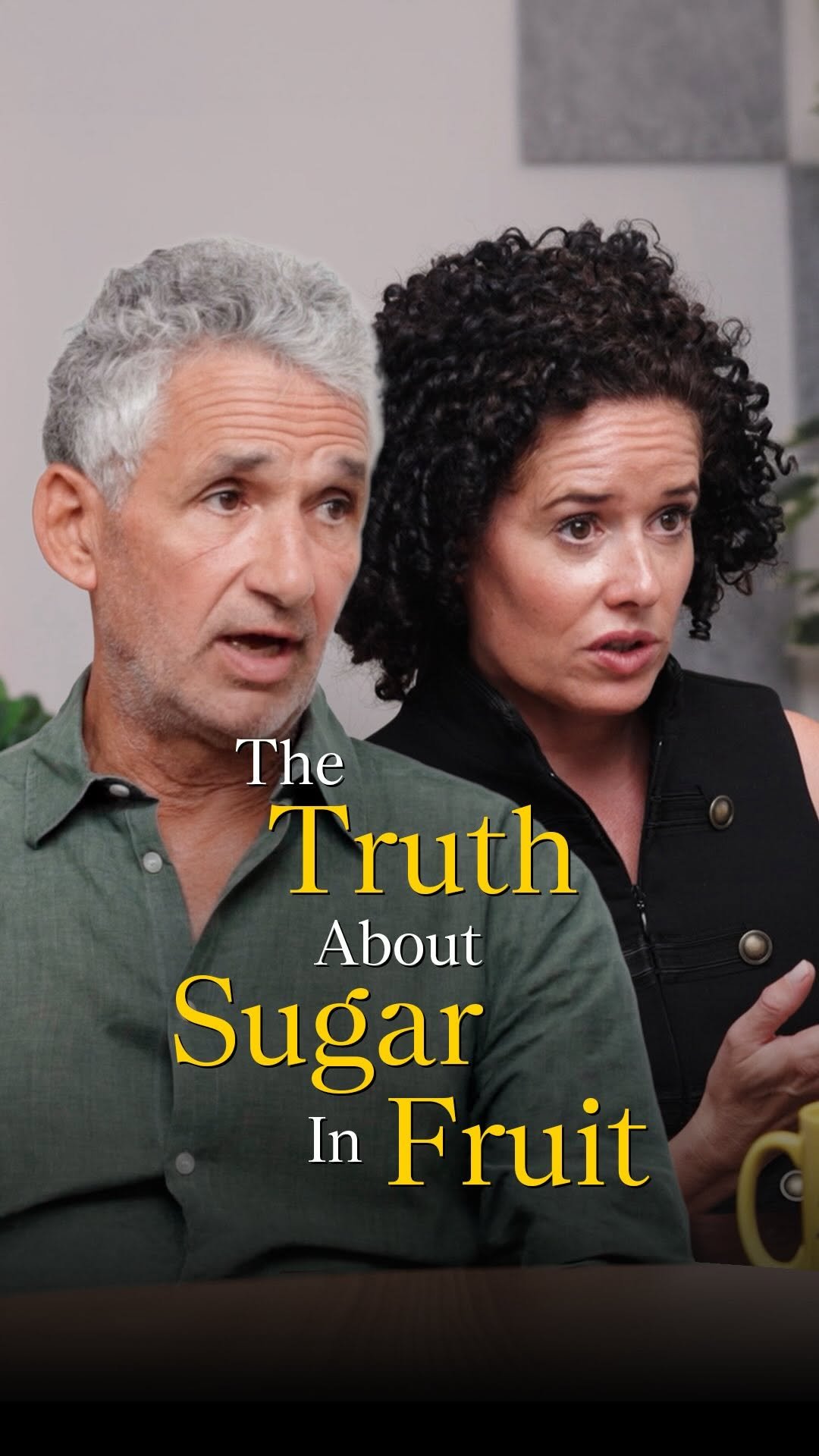
We’ve been told sugar causes diabetes, feeds cancer, and drives inflammation. But we’ve also been told our brains run on sugar, athletes need it for energy, and fruit is one of the healthiest foods we can eat. Some experts believe it’s at the heart of our biggest health challenges, while others argue it’s been unfairly demonized. So which one is it? @tim.spector is one of the world’s top 100 most-cited scientists and scientific cofounder of ZOE. @drsarahberry is Professor of Nutrition at King’s College London, Chief Scientist at ZOE, and led the world’s largest study into how our blood sugar responds to food. Together, they reveal: - Why some of the healthiest foods you can eat are packed with sugar - The hidden sources of sugar most people overlook - What happens in your body after eating something sweet - Why cutting out sugar completely may not be the answer - How to enjoy sweet foods without compromising your health Click the link in our bio to listen, watch on YouTube, or search ZOE Science & Nutrition wherever you listen to podcasts. 🎙️
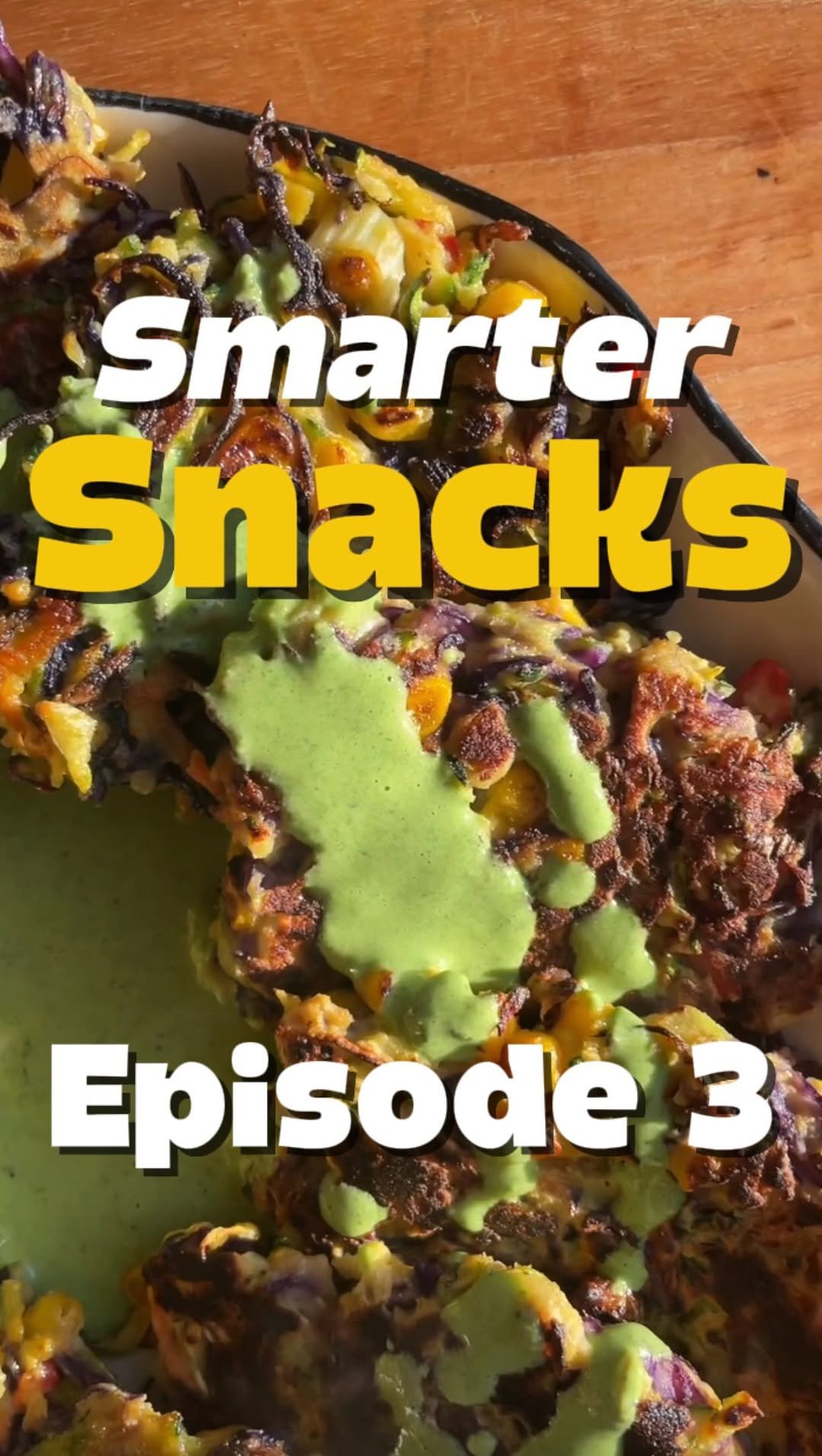
Follow @zoe to catch the rest of our Smarter Snacks series: simple recipes that are as good for your gut as they are delicious. Research shows that people who eat 30 or more different plants per week tend to have a more diverse gut microbiome than those who eat fewer than 10. This is because different gut microbes thrive on different fibers and polyphenols, the natural compounds that give plants their vibrant colors. So the more variety of different plants you eat, the more gut microbes you nourish. These Rainbow Fritters make eating 30 plants per week feel easy, packing 9 plant points into a single recipe. The best part of the recipe is that you can use whatever veggies and spices you have already. Comment RAINBOW for a link to the recipe. 🌈

We’ve been told that sugar causes diabetes, feeds cancer, makes children hyperactive, damages our gut health, and drives inflammation. We’ve also been told our brains run on sugar, athletes need it for energy, and fruit is one of the healthiest foods we can eat. Despite being one of the most studied substances in nutrition, sugar is still veiled in confusion, contradiction, and controversy. Some experts believe it’s at the heart of the biggest health challenges of our time. Others argue it’s been unfairly demonized. @tim.spector is one of the world’s top 100 most-cited scientists and scientific cofounder of @zoe. @drsarahberry is Professor of Nutrition at King’s College London, Chief Scientist at @zoe, and led the world’s largest study into how our blood sugar responds to food. Together, they reveal: - Why some of the healthiest foods you can eat are packed with sugar - The hidden sources of sugar most people overlook - What happens in your body in the hours after eating something sweet - Why cutting out sugar completely may not be the answer - And how to enjoy sweet foods without compromising your health By the end, you’ll know which sugars deserve a place on your plate, and how to make sense of the conflicting advice once and for all. Click the link in our bio to listen now, watch it on our YouTube, or search ZOE Science & Nutrition wherever you listen to podcasts. 🎙️